Ghana Youth Leaders Back Lowering Presidential Age to 30
Young leaders across Ghana are celebrating a proposal to lower the minimum presidential age from 40 to 30, calling it a win for political inclusion. The constitutional reform could open doors for a generation eager to shape their country's future.
Ghana's youth are seeing a new path to leadership, and they're rallying behind it with hope and determination.
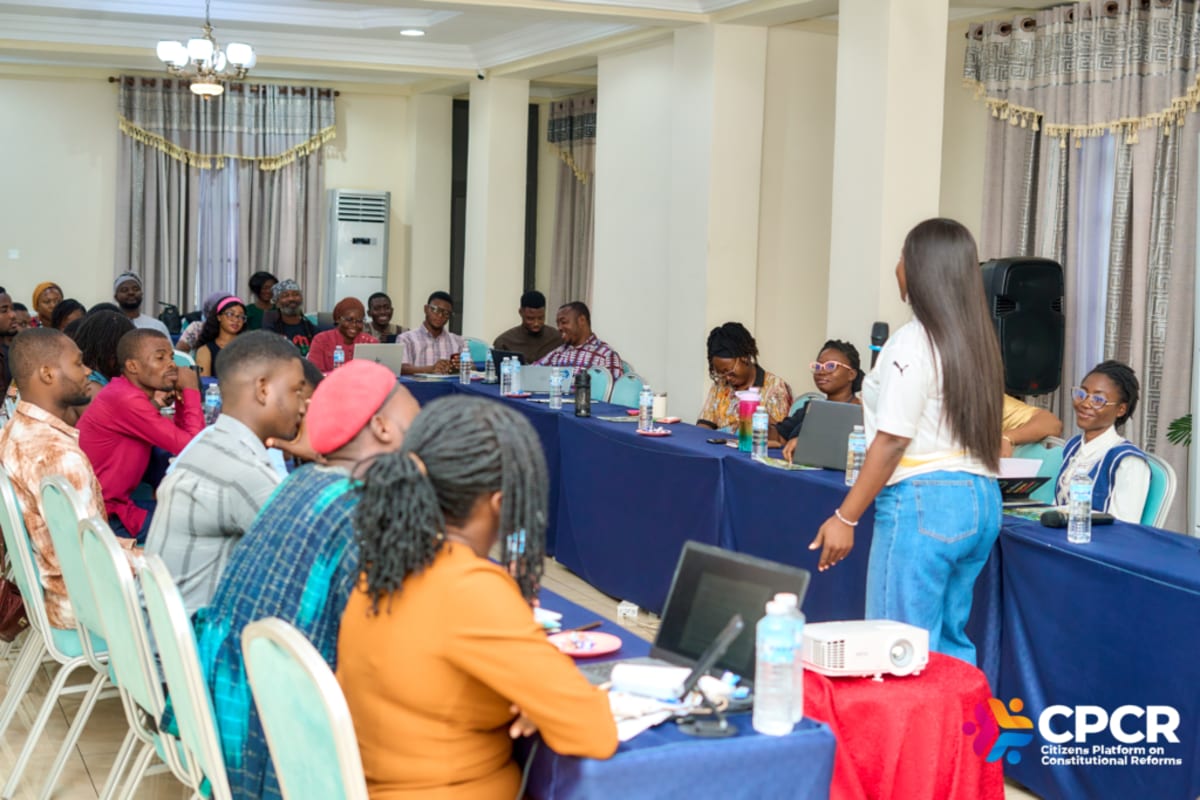
At a capacity-building workshop in Koforidua, young leaders and civil society organizations voiced strong support for a Constitutional Review Committee proposal to drop the minimum presidential age from 40 to 30 years. The change would amend Article 62(b) of Ghana's 1992 Constitution and open the door for younger Ghanaians to compete for the country's highest office.
Fathiaya Zakari of Youth Empowerment for Life Ghana called the proposal "a win-win for all." She sees it as a middle ground that both younger and older generations can embrace.
The timing matters. Over 73 percent of Ghana's population is under 35, yet young people remain underrepresented in national leadership. Christopher Penu of the Ghana Youth Manifesto Coalition put it simply: "If we are practicing democracy, then it must genuinely reflect the people."
Some participants pushed for even broader reforms. Linda Fremah of the Ashanti Regional Youth Network noted that the official youth bracket extends from 15 to 35, meaning even a 30-year threshold could exclude valuable perspectives.
The Ripple Effect
This conversation reaches beyond age requirements. It signals a generation demanding their seat at the table and a nation willing to listen.
Noah Adamtey, Head of Research at the Constitutional Review Committee, pointed out that Ghana already allows 21-year-olds to serve in Parliament and become ministers. Lowering the presidential age simply gives voters more choices. "Ultimately, Ghanaians will still evaluate the competence and leadership qualities of anyone who seeks the presidency," he explained.
Dr. Kojo Pumpuni Asante of CDD-Ghana framed the stakes clearly. Without reforms that reflect citizens' needs, especially young voters, public trust in democratic institutions could crumble. "When there is no trust in institutions and leadership, it becomes very difficult to govern," he warned.
The workshop participants also called on the government to release the full Constitutional Review Committee report for public scrutiny. They want every citizen to engage meaningfully with proposed changes, not just hear about them secondhand.
For Zakari and her fellow young leaders, the proposal does more than change a number. It sends a message that their ambitions matter and their leadership potential deserves recognition now, not decades from now.
Ghana's democracy stands at a crossroads where young voices are getting louder, and this time, the system might actually be listening.
Based on reporting by Myjoyonline Ghana
This story was written by BrightWire based on verified news reports.
Spread the positivity!
Share this good news with someone who needs it