Ghanaian Student Builds AI Glasses for Blind Users
After temporarily losing hearing in one ear, a college student in Ghana asked himself what he'd do if he lost his sight. Two years later, his answer is helping visually impaired Africans navigate daily life for a fraction of what imported devices cost.
When Emmanuel Quartey temporarily lost hearing in one ear last February, a friend asked him a simple question: "Imagine it was your eyes. What would you do?"
That question changed everything. Quartey, then a second-year IT student at Pentecost University in Ghana, had been building robots and agricultural tech, but assistive technology had never crossed his mind.
A few days later, he met Angela Kona, a visually impaired woman, and showed her a computer vision project he'd built that could recognize currency and read printed text. Watching her use it convinced him he was onto something bigger than a class project.
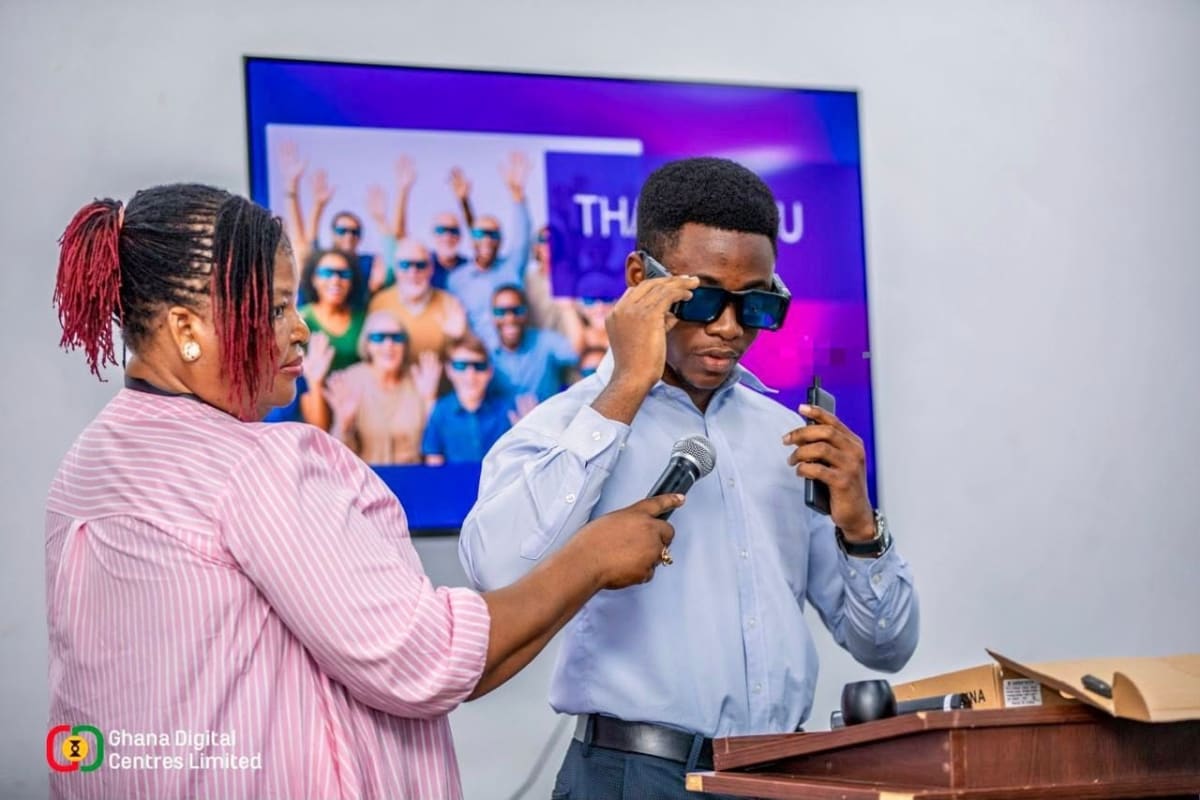
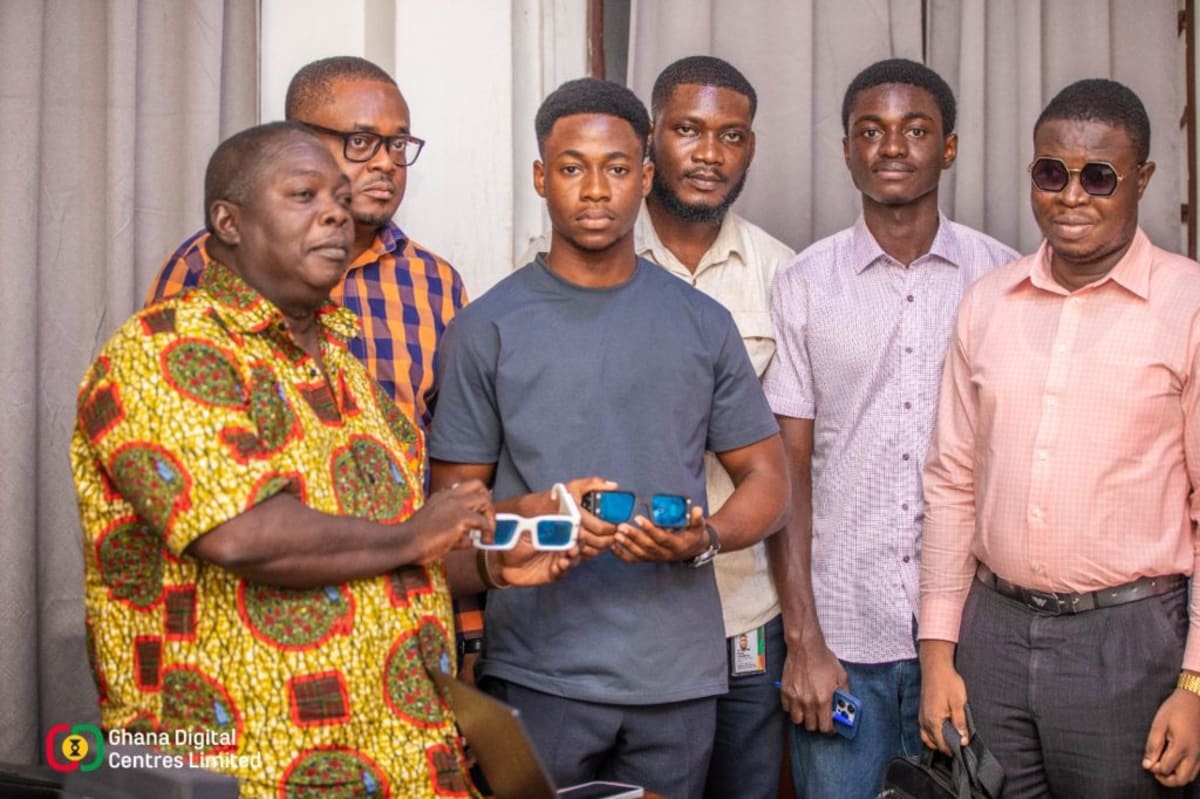
Two years later, that experiment has become Steward Vision Assistant, an AI-powered platform designed specifically for African users. The system includes smart glasses that use a camera and AI to read printed text, identify currency, recognize objects, and describe surroundings through audio feedback.
More than 26 million people across Africa live with visual impairment, but most existing assistive devices were built for Western markets. AI-powered glasses like Envision cost around $1,900, and navigation aids like WeWalk run over $600, putting them far beyond reach for most Africans.
Even when people can afford them, the technology often doesn't work well for African users. "When we looked at some existing smart glasses, the currency detection didn't even include the Ghanaian cedi," Quartey says. Voice recognition trained on American and British accents struggles with African speech patterns too.
So Quartey's team is training their models to recognize Ghanaian accents and adding support for regional languages like Hausa and Swahili. They're also planning to include Ghanaian languages like Twi and Ga.
Steward also includes a handheld device that vibrates when users approach obstacles above ground level, helping detect hazards like hanging signs and tables that a white cane might miss. The inspiration came from visiting schools for blind students, where outdated Braille materials filled libraries while newer textbooks sat inaccessible.
The Ripple Effect
Disability inclusion consultant Olamide Daniel says locally built assistive technology could transform access across the continent. "Many of the products we use come from abroad, and they're expensive to bring in," he explains. "If Steward can deliver on what it promises and remain affordable, it could make a real difference."
The World Health Organization estimates that more than 200 million people in Africa need at least one assistive product, a figure expected to double by 2050. As AI becomes more accessible, engineers like Quartey can focus on adapting technology to local needs rather than building every capability from scratch.
What started with one student's temporary hearing loss has become a tool designed to help millions navigate the world more independently.
More Images

Based on reporting by TechCabal
This story was written by BrightWire based on verified news reports.
Spread the positivity!
Share this good news with someone who needs it