Ghana's Climate Migrants Keep Culture Alive in New Cities
As changing weather patterns force families in northern Ghana to leave their farms, they're not losing their heritage. They're reinventing it in cities, proving migration can spark cultural renewal.
When climate change disrupted farming patterns in northern Ghana, families faced a choice: watch their livelihoods disappear or build new ones elsewhere. They chose to move, but they brought their culture with them.
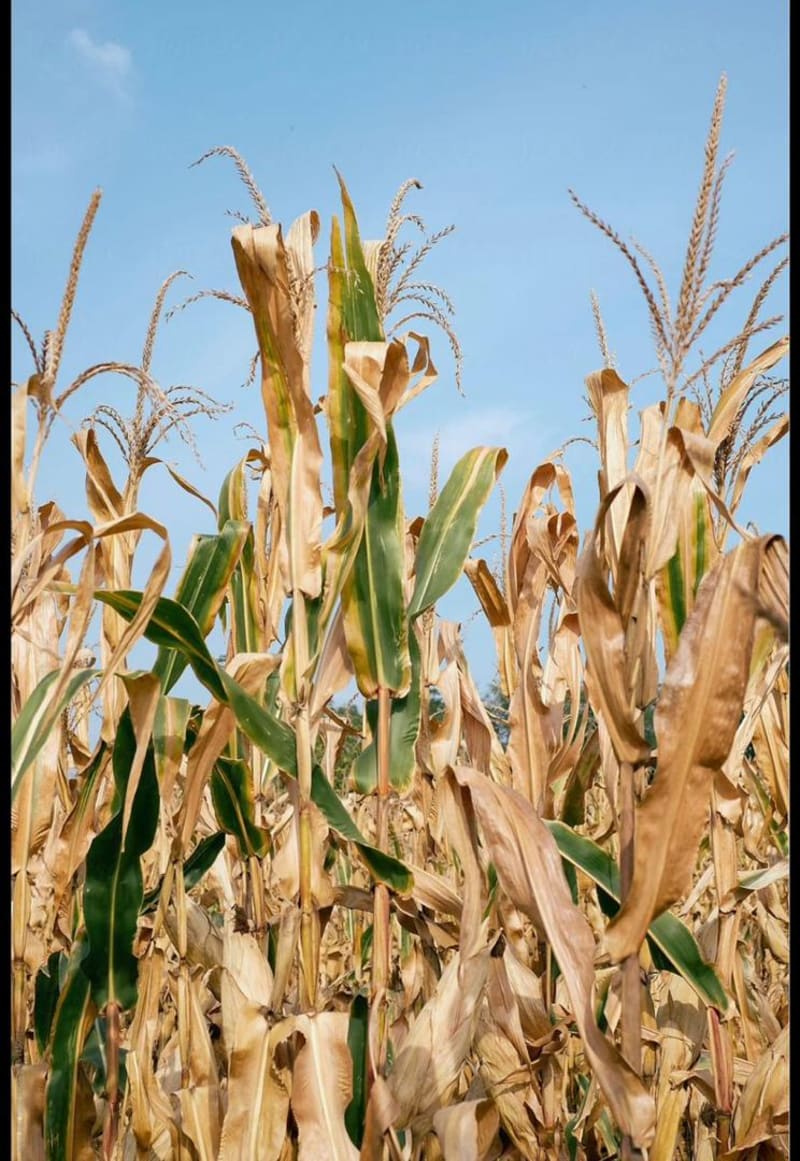
Prolonged dry seasons and unpredictable rainfall have transformed traditional farming in northern Ghana over recent years. Families who once relied entirely on agriculture now send members to cities like Accra and Kumasi, not as a last resort, but as a planned strategy to survive and thrive.
What they're creating in these urban spaces challenges everything we thought we knew about migration and cultural loss. In bustling city markets, you'll find Fura and Tuo Zaafi alongside street food from across Ghana. Elders speak Dagbani at home while grandchildren answer in English or another local language.
The traditional smock appears paired with jeans. Harvest festival dances now animate urban weddings and church gatherings. This isn't erasure; it's evolution.
Dr. Shelta Gatsey, who leads Strategic Initiatives for African Governance, points to Tuo Zaafi as a perfect example. This northern dish has become so popular across Greater Accra that residents now consider it part of their own food culture. Migration didn't dilute the tradition; it spread it.
For migrant families, maintaining cultural practices provides more than nostalgia. Community groups organize cultural activities that give children roots even as their parents build new lives. Elders pass down songs, stories, and crafts, ensuring the next generation stays connected to their heritage.
These cultural anchors offer emotional stability during uncertain times. When everything else changes, knowing who you are and where you come from becomes a source of strength.
The Ripple Effect
The benefits extend far beyond migrant communities themselves. A 2018 study by Caglar and Schiller found that cities welcoming cultural expression through community initiatives and inclusive urban spaces don't just absorb migration; they become richer and more vibrant.
Host communities gain access to new foods, music, languages, and traditions. Neighborhoods become more diverse. Long-standing residents discover that different doesn't mean threatening; it means interesting.
Yet policy discussions around climate migration still focus almost entirely on infrastructure strain and employment challenges. Cultural adaptation rarely appears in government planning, even though it plays a critical role in social cohesion.
Dr. Gatsey hopes that will change. She believes highlighting the positive impacts of cultural exchange can shift public discourse away from viewing migration solely as a burden on social amenities.
Across Ghana's growing cities, migrant families are writing a story of renewal rather than loss. They're choosing what to carry forward: recipes that feed the body and soul, languages that connect generations, rituals that mark life's important moments.
Climate change forced them to leave their ancestral lands, but it couldn't force them to leave their identity behind, and in sharing that identity with their new neighbors, they're making both communities stronger.
Based on reporting by Myjoyonline Ghana
This story was written by BrightWire based on verified news reports.
Spread the positivity!
Share this good news with someone who needs it