Ghana's $3.5B Strategy Revives Business After $14B Rescue
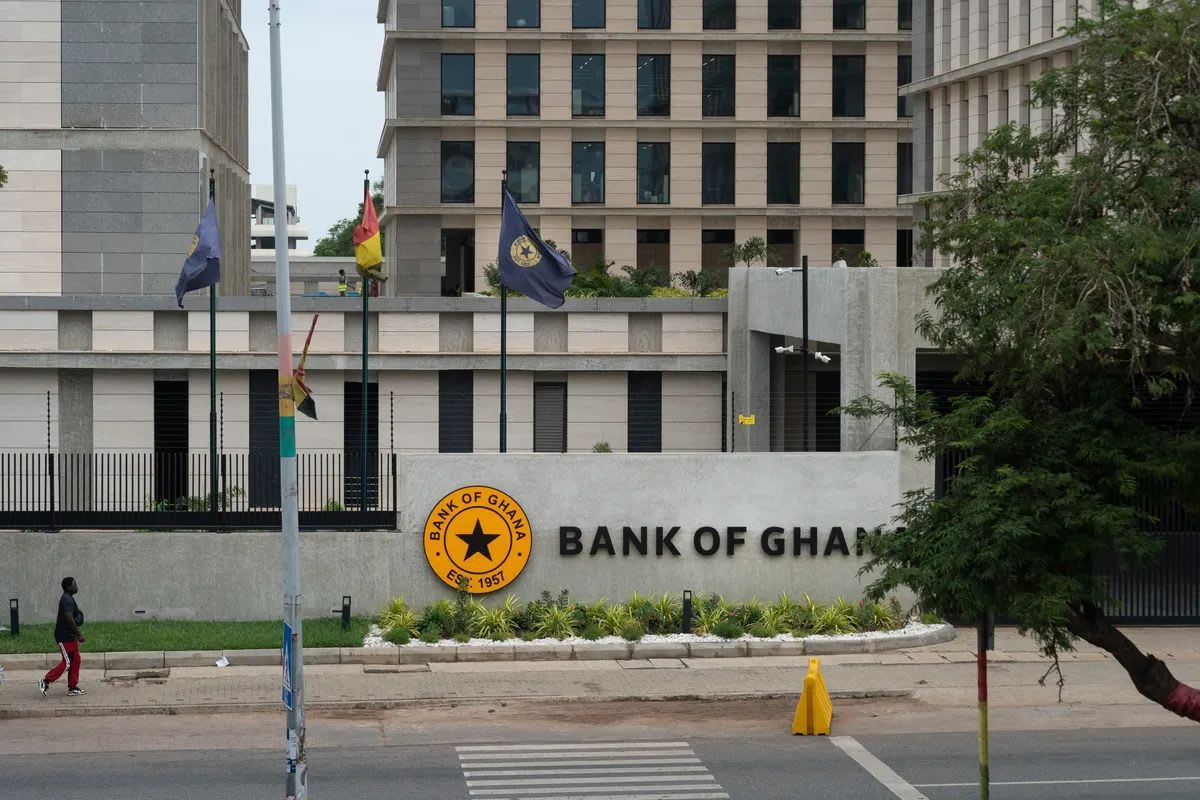
Ghana's economy is proving that smaller, smarter interventions work better than massive bailouts. A $3.5 billion monetary strategy is sparking real business growth after a $14 billion rescue left companies struggling to survive.
For the first time in years, Ghanaian factory owners are talking about expansion instead of just staying afloat.
Just three years ago, Ghana's central bank absorbed losses exceeding $14 billion to prevent economic collapse. The financial system survived, but businesses faced a brutal reality: borrowing costs soared to 40%, treasury bill rates exploded, and profit margins vanished under the weight of expensive money.
Companies could operate but couldn't grow. Strong sales no longer guaranteed profitability because financing costs consumed everything. Even well-run businesses found themselves trapped in what economists call a "financial squeeze zone," where staying open was possible but moving forward wasn't.
The economy was stabilized, but growth remained out of reach. Private sector expansion nearly disappeared as SMEs delayed hiring and factories operated below capacity despite strong market demand.
Today, a different story is unfolding across Ghana's industrial landscape. A newer intervention estimated at $3.5 billion in monetary and liquidity management is creating the country's most business-friendly financial environment in years.
This time, the impact reaches beyond banking halls into factories, farms, trading markets, and industrial value chains. Treasury bill rates have fallen dramatically, pushing banks away from risk-free government lending and back toward productive business financing.
Interest rates are dropping, inflation is cooling, and the cedi is stabilizing. For manufacturers and exporters, these aren't just numbers on a spreadsheet but the difference between surviving and thriving.
Agro-processing projects that seemed impossible under 38% interest rates now look viable. Export factories are considering 24-hour operations. Value-chain financing structures are becoming reality because affordable capital is finally flowing to industries that create jobs.
The Ripple Effect
The transformation illustrates a crucial economic lesson: rescue and revival require different strategies. The 2022 intervention saved the system from collapse, creating stability when chaos threatened. The current phase is delivering something businesses desperately needed: room to take risks and reinvest.
Medium-sized manufacturers are rehiring workers. SMEs are reviewing expansion plans they shelved during the crisis. Industries that operated in survival mode are rediscovering what sustainable profit margins feel like.
Banks that once preferred guaranteed government returns are rediscovering private sector lending. This structural shift could reshape Ghana's economy for the next decade, turning financial stability into genuine industrial growth.
The change didn't require massive new spending but smarter deployment of resources. Lower treasury yields forced capital toward productive uses. Improved liquidity conditions gave businesses breathing room. Reduced pressure on lending rates made expansion calculations work again.
Ghana's turnaround shows that economic recovery isn't just about preventing disaster but creating conditions where businesses can flourish, jobs can multiply, and industries can compete globally.
Based on reporting by Myjoyonline Ghana
This story was written by BrightWire based on verified news reports.
Spread the positivity!
Share this good news with someone who needs it