Ghana's Keta Lagoon Protects 50,000 Lives and 200 Species
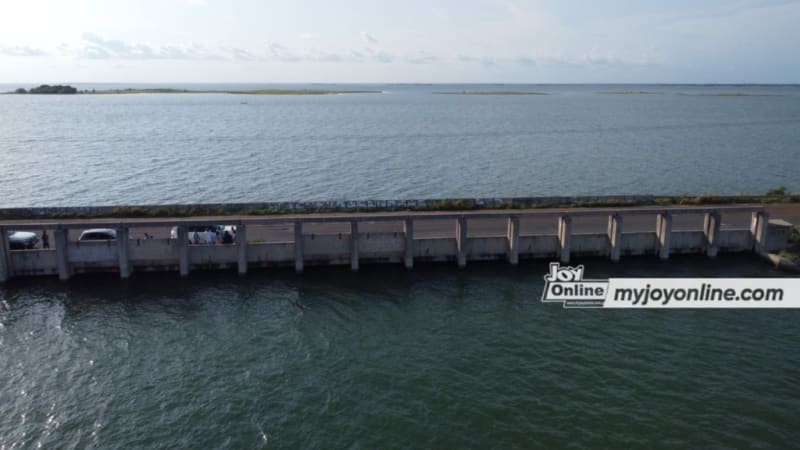
Ghana's largest lagoon system is getting renewed attention as a critical ecosystem that feeds 50,000 people while hosting over 200 fish species. Conservation groups are pushing for increased investment to protect this natural wonder that fights coastal erosion and climate change.
For 50,000 Ghanaians living along the Keta Lagoon, this massive water system isn't just scenery. It's their livelihood, their food source, and their shield against rising seas.
Stretching across 120 square kilometers, the Keta Lagoon holds the title as Ghana's largest lagoon system. The waters teem with over 200 fish species, including tilapia, bonga, and mullet that sustain local fishing families.
Ghana committed to protecting this treasure back in 1988 by joining the Ramsar Convention, an international treaty for wetland conservation. The country has since designated six protected wetland sites covering 205,162 hectares, with Keta Lagoon standing out as the crown jewel.
The lagoon does more than feed families. It acts as a natural barrier against coastal erosion, though it's losing 30 to 40 meters of shoreline every year to sea level rise and sand mining.
Migratory birds traveling the East Atlantic Flyway depend on the lagoon as a rest stop. The wetland vegetation stabilizes soils and creates habitats for species found nowhere else on Earth.
The HATOF Foundation recently called for stronger investment in the lagoon's protection, working alongside the Wildlife Division of the Forestry Commission. Local communities, especially the Anlo people who have stewarded these waters for generations, are partnering with government agencies to develop science-based monitoring and restoration programs.
The lagoon supports Ghana's growing blue economy through sustainable fishing, aquaculture, and tourism. These activities align with multiple United Nations Sustainable Development Goals, including clean water, climate action, and protecting life below water and on land.
The Ripple Effect
The push to protect Keta Lagoon shows how conservation creates wins across the board. When wetlands thrive, they purify water naturally, regulate flooding, and store carbon that would otherwise accelerate climate change. The 50,000 people depending on the lagoon gain food security and income stability. Tourists discover a biodiverse wonder. And future generations inherit a functional ecosystem instead of a depleted one.
Ghana's Wildlife Division is spreading awareness through World Wetlands Day celebrations and educational programs. Traditional leaders, civil society groups, and research institutions are joining forces to tackle pollution, restore damaged areas, and manage the lagoon sustainably.
The investment isn't just about saving fish and birds. It's about recognizing that healthy ecosystems are the foundation of healthy communities, stable economies, and a livable planet for everyone.
Based on reporting by Myjoyonline Ghana
This story was written by BrightWire based on verified news reports.
Spread the positivity!
Share this good news with someone who needs it