Ghana's New Fisheries Minister Wins Hearts in First Month
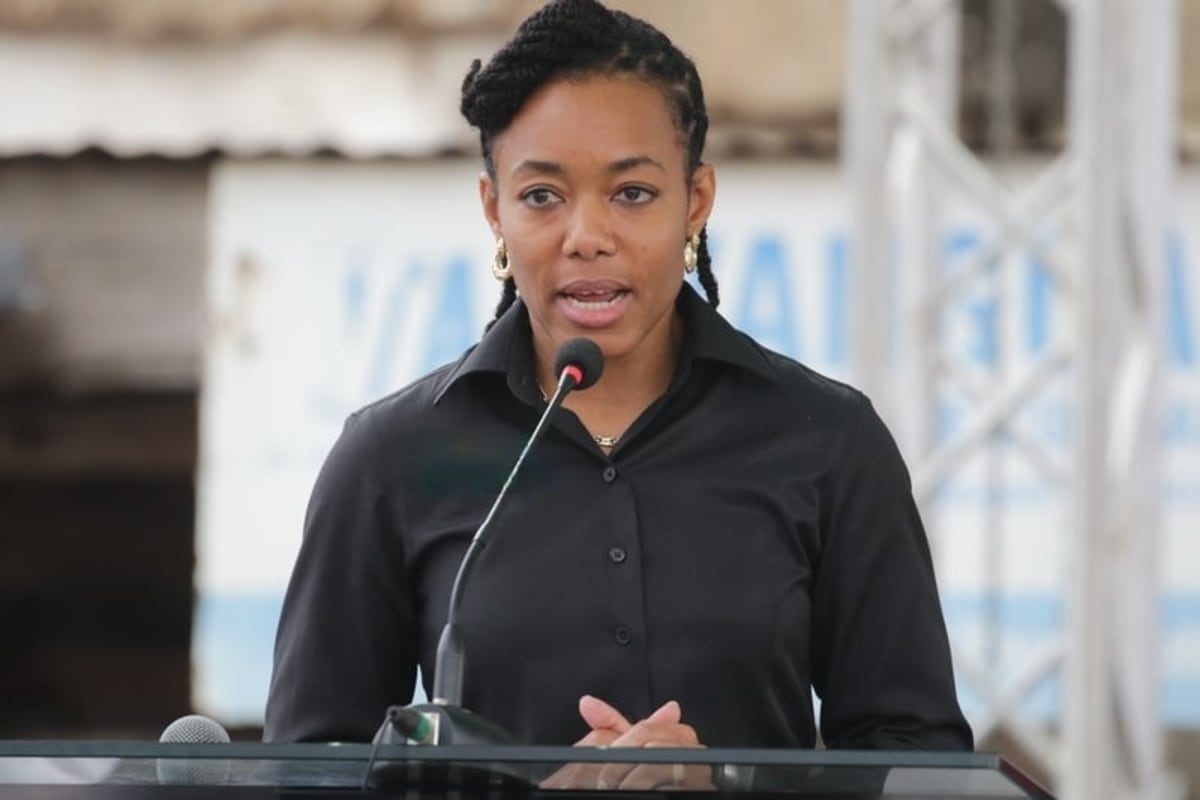
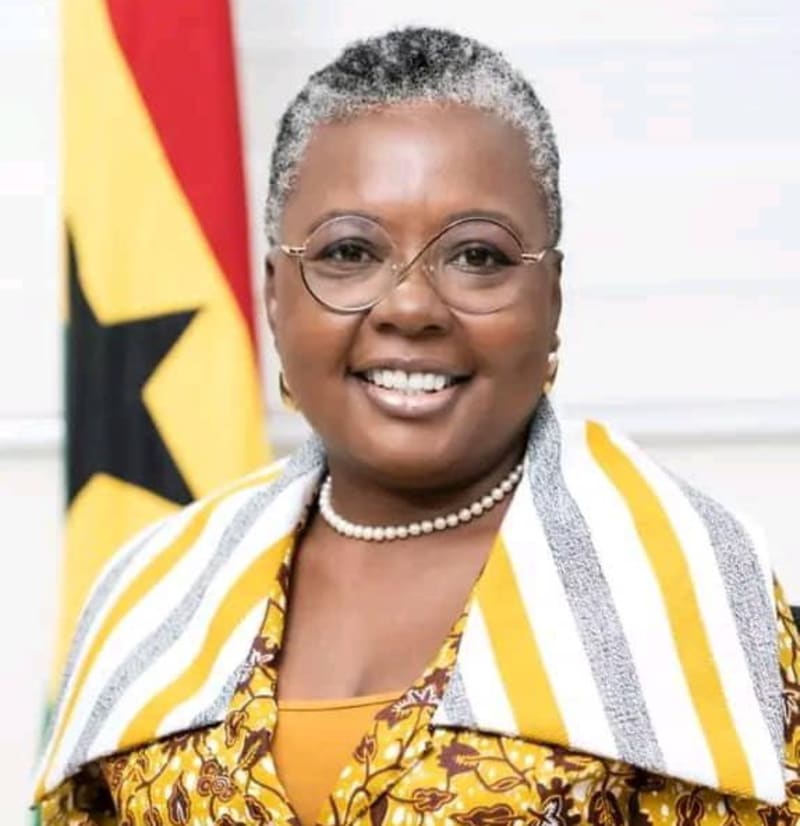
Minister Emelia Arthur is transforming Ghana's struggling fishing industry with humble leadership and bold reforms. In her first month, she's already passed landmark legislation and walked fishing villages to meet communities face to face.
When Emelia Arthur walked through a fishing village near New Takoradi instead of driving her official vehicle, a local woman captured what everyone was feeling: "This minister is very humble." It was a small gesture that signaled a big shift for Ghana's long-struggling fisheries sector.
Arthur took office as Ghana's Minister for Fisheries and Aquaculture in January 2025, inheriting a sector plagued by illegal fishing, fuel corruption, and dwindling fish stocks. Instead of governing from her desk in Accra, she spent her first month visiting landing beaches across three regions, meeting fishers where they work.
Her approach is already paying off. Within weeks of taking office, her administration passed the Fisheries and Aquaculture Act of 2025, a landmark law that expands protections for small-scale fishers and introduces tougher penalties for illegal fishing. The legislation safeguards over $425 million in annual seafood exports while giving local fishers exclusive access to waters up to 12 nautical miles from shore, double the previous zone.
Arthur is tackling fuel corruption head-on by eliminating middlemen who hoarded subsidized premix fuel meant for fishing communities. Now the fuel goes directly to newly formed beach committees, with GPS trackers on delivery tankers to prevent smuggling.
Her message to artisanal fishers offers both freedom and responsibility. They won't face blanket fishing bans like industrial fleets, but they must honor traditional conservation practices like the Tuesday fishing ban and avoid destructive methods like dynamite and illegal nets.
The Ripple Effect
Arthur's reforms extend far beyond fishing regulations. Ghana just approved its first National Blue Economy Strategy, a comprehensive plan to sustainably develop ocean resources while empowering coastal communities and protecting marine ecosystems.
She's also reviving the long-abandoned Anomabo Fisheries College, which will train the next generation of sustainable fishing professionals. The initiative ties into President Mahama's 24-hour economy vision, aiming to boost productivity and create jobs throughout the fishing value chain.
What makes Arthur's leadership especially powerful is her roots. As a native of the coastal Shama region, she understands fishing communities from the inside. Her open-door policy and willingness to meet fisherfolk in their communities rather than government offices has built trust that previous ministers never achieved.
Ghana ratified the WTO Agreement on Fisheries Subsidies under her watch, joining global efforts to end harmful fishing subsidies. Cabinet approved the Blue Economy Strategy. And through it all, Arthur keeps walking those beaches, listening to the people her policies serve.
After years of frustration with absent leadership, Ghana's fishing communities finally have a minister who shows up, literally and figuratively, ready to chart a new course toward sustainable abundance.
Based on reporting by Google News - Ghana Development
This story was written by BrightWire based on verified news reports.
Spread the positivity!
Share this good news with someone who needs it