Ghana's President: "This Must Be Our Last IMF Bailout
Ghana's President John Dramani Mahama is launching major education and healthcare projects while vowing to build an economy that never needs external bailouts again. The country just completed a three-year IMF program and is now investing in teacher training, technical schools, and modern hospitals.
Ghana is choosing a different path forward, one built on homegrown strength rather than international handouts.
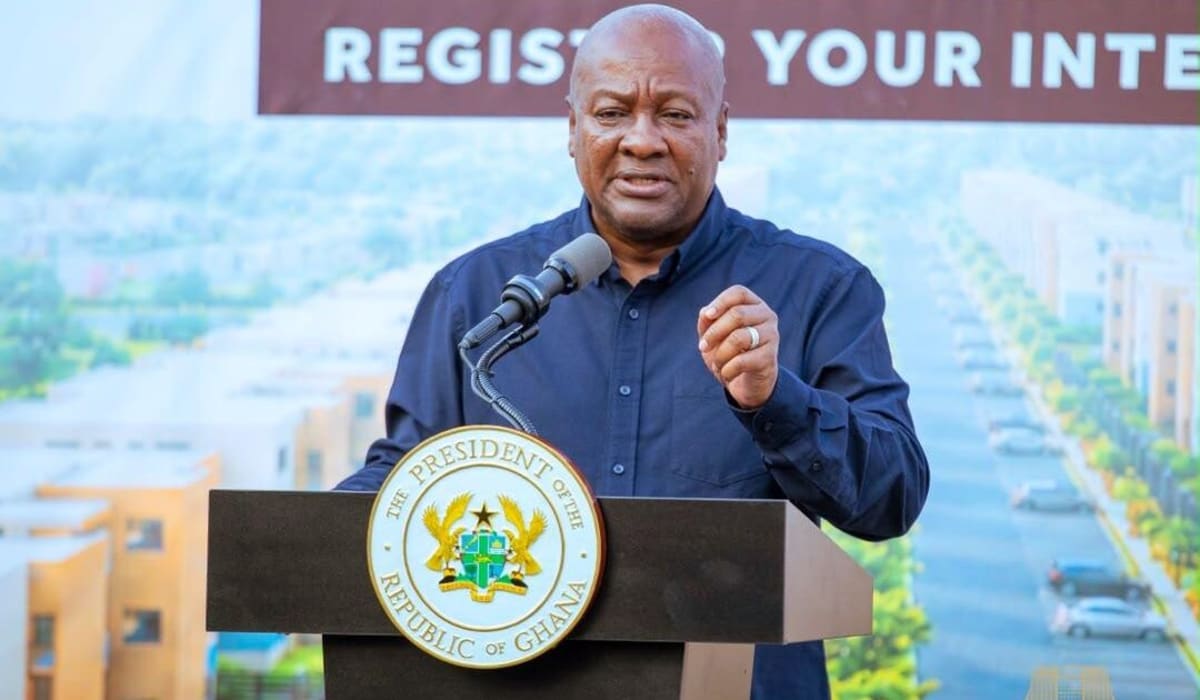
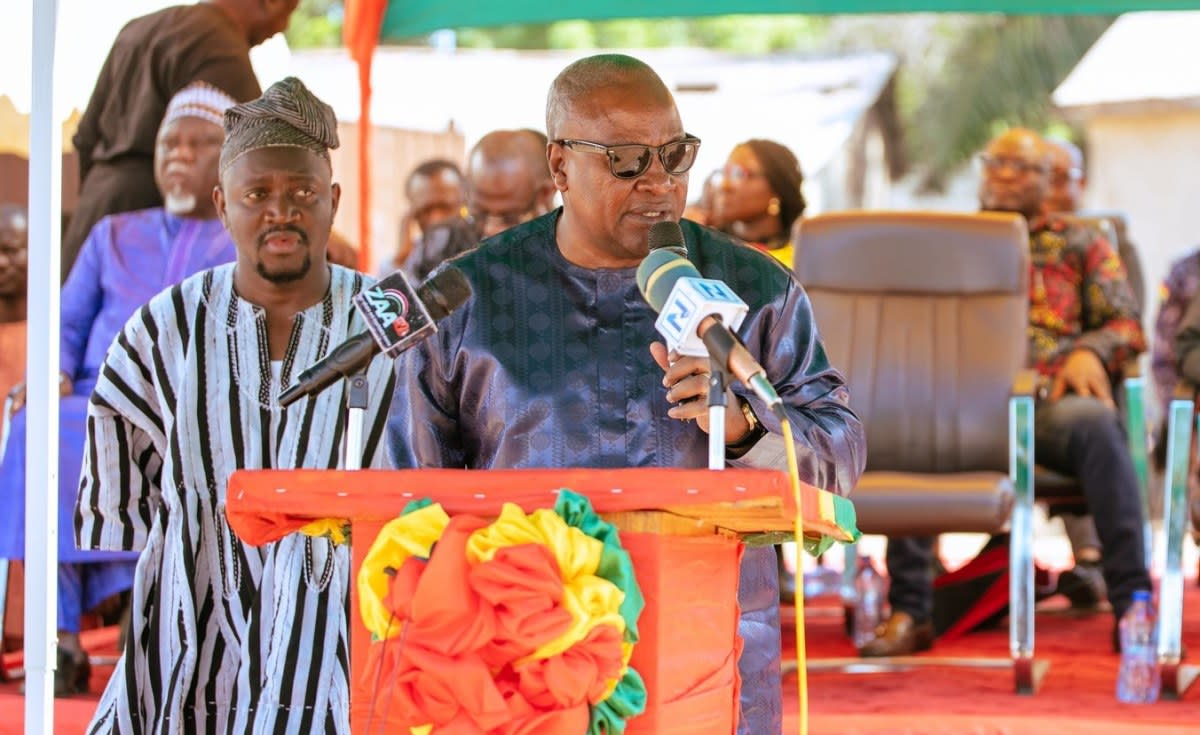
President John Dramani Mahama told citizens in the Savannah Region this weekend that Ghana must stop going "cap in hand" to seek financial assistance from the International Monetary Fund. After completing a three-year bailout program, his administration is implementing reforms to ensure the country can stand on its own.
The President isn't just talking about fiscal responsibility. He's backing his vision with concrete projects across the Savannah Region that directly address local needs.
During his two-day Resetting Ghana Tour, Mahama broke ground on the Bole College of Education, which will train 1,500 future teachers. He described the project as a "long-awaited dream" from his time as a Member of Parliament for the area, now finally becoming reality.
The education investments continue with plans for a Technical and Vocational Education Training Centre of Excellence in Sawla. The facility will help young people gain practical skills that match actual job market demands, a shift away from Ghana's traditional emphasis on conventional high schools.
Mahama also started construction on the Busunu Girls' STEM Senior High School and announced plans for a science and technology university in the region. The focus on girls in STEM and technical education signals a commitment to closing opportunity gaps.
Healthcare improvements are equally ambitious. The aging Bole District Hospital, built in the 1970s, will be replaced with a modern 150-bed facility. The President also inspected upgrades at Damango District Hospital, which is becoming the region's main referral hospital.
The Ripple Effect
These investments represent more than buildings and budgets. They show a country choosing to solve its own problems rather than depending on external rescue packages.
By prioritizing technical education over conventional schools, Ghana is aligning its workforce with real employment opportunities. The focus on teacher training means better education for future generations. Modern hospitals mean healthier communities that can work and grow.
The Savannah Region has historically lagged behind Ghana's more developed areas. These projects signal that economic growth should reach every corner of the country, not just urban centers.
Ghana's economy is currently expanding rapidly, according to Mahama. The challenge now is sustaining that momentum through smart choices rather than short-term fixes that lead back to international bailouts.
The President's tour also included inaugurating an ICT center in Damango and inspecting road projects connecting Sawla to Wa and Bole to Tinga. Better roads mean easier access to markets, schools, and hospitals.
A nation that just emerged from needing financial rescue is now investing in its people's futures with remarkable optimism.
Based on reporting by AllAfrica - Headlines
This story was written by BrightWire based on verified news reports.
Spread the positivity!
Share this good news with someone who needs it