
Giant Airbags Behind Olympic Athletes' Death-Defying Tricks
Those jaw-dropping flips and spins at the Winter Olympics? They start with athletes launching themselves into massive plastic airbags. These training tools have transformed extreme sports over the past 20 years, making impossible tricks suddenly possible.
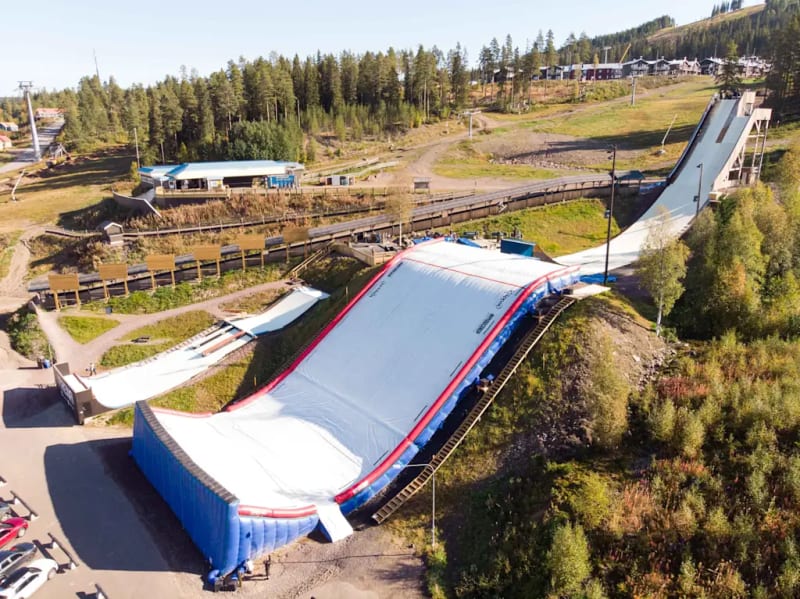
The triple corkscrews and gravity-defying spins that made you gasp during the Milan Cortina 2026 Winter Olympics didn't just happen on race day. They started months earlier, with athletes repeatedly hurling themselves into giant plastic landing pads the size of swimming pools.
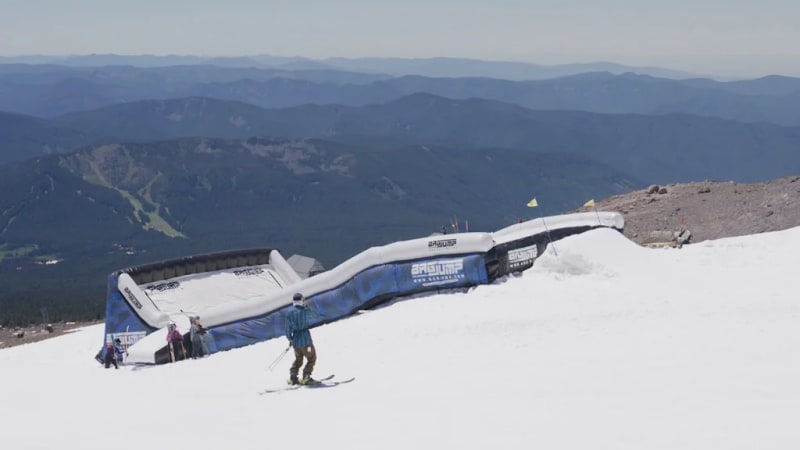
Over the past two decades, companies like Bagjump and BigAirBag have perfected these oversized cushions that work like foam pits for gymnasts. Snowboarders and freestyle skiers can now practice the most dangerous tricks without the bone-breaking consequences of a bad landing.
The impact on the sport has been enormous. Troy Podmilsak pulled off a "Triple 18" in Milan—three off-axis flips combined with five full rotations—a move he perfected on airbags before ever attempting it on snow. Olympic legends like Shaun White used these systems to push their skills to new heights starting with the 2010 Vancouver Games.
Martin Rasinger, a former pro snowboarder who invented the Bagjump system, puts it simply: "The extreme levels the sports are being performed at are much safer due to Bagjump training."
Only about 20 facilities worldwide have these systems, making them rare training destinations. Wy'East Mountain Academy in Sandy, Oregon installed the largest airbag in North America last year. The 80-by-200-foot cushion cost $4 million and required snowcat vehicles to install along the mountain's natural curves.
Athletes can now train year-round on these bags, testing new tricks in summer that they'll debut on snow in winter. Smaller versions exist at the U.S. Ski & Snowboard headquarters in Park City, Utah, and temporarily at California's Mammoth Mountain.
Why This Inspires
What started as a simple idea—a really big cushion—has fundamentally changed what's possible in extreme sports. Athletes are landing tricks that would have seemed impossible 20 years ago, not because they're more reckless, but because they can practice safely. Innovation doesn't always look high-tech; sometimes it's just really smart problem-solving that lets people chase their biggest dreams without unnecessary risk.
The next time you watch an Olympian spinning through the air, remember: that moment of magic required hundreds of practice runs into a giant plastic bag.
More Images
Based on reporting by Fast Company
This story was written by BrightWire based on verified news reports.
Spread the positivity!
Share this good news with someone who needs it