Giant Dinosaurs Nested Near Antarctica, Eggs Reveal
Scientists found titanosaur eggs just 200 miles from the southern tip of South America, proving the largest dinosaurs ever could raise families in cold climates. The discovery reveals these 75-ton giants used composting vegetation as natural incubators.
The biggest dinosaurs that ever walked Earth were raising babies closer to Antarctica than anyone thought possible.
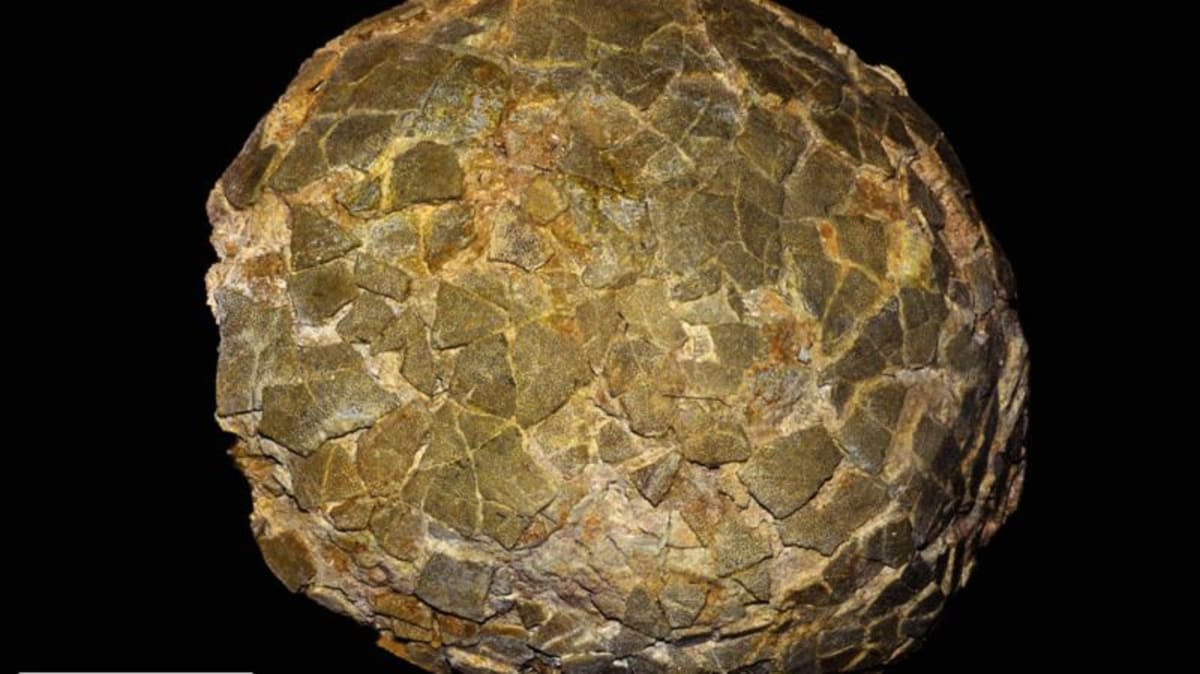
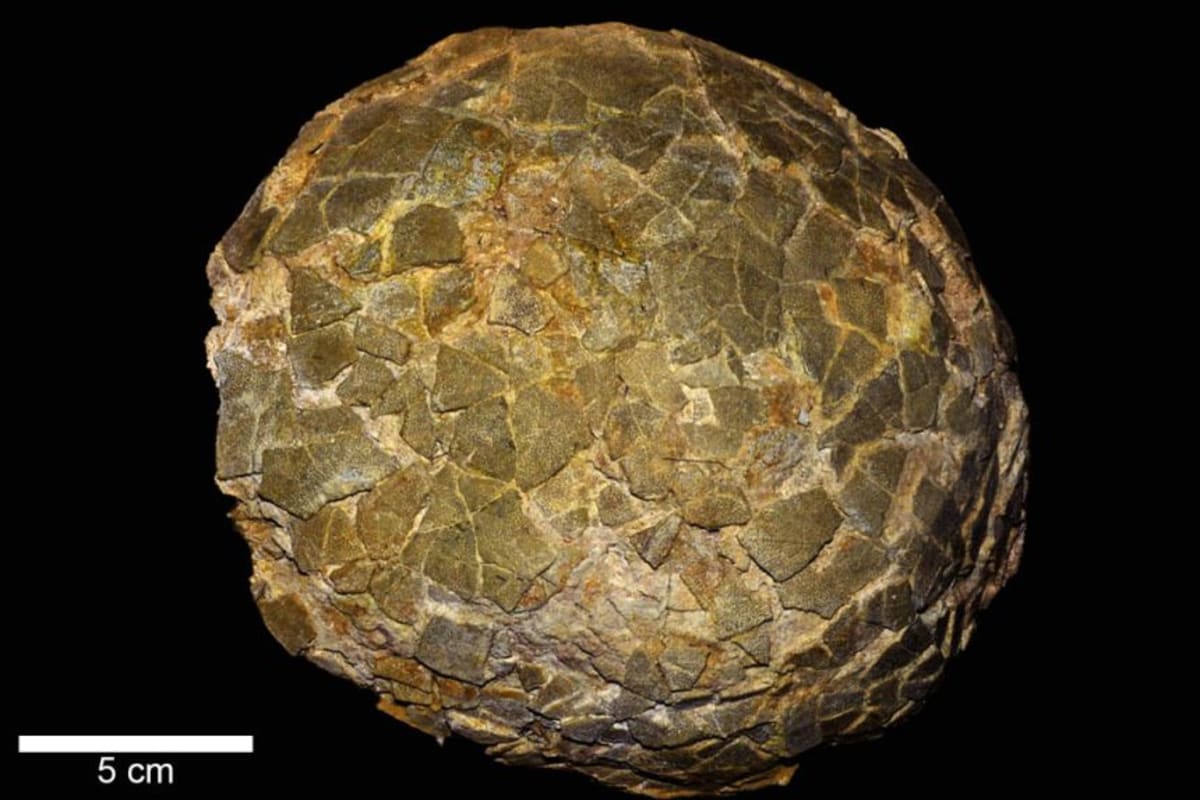
Paleontologists discovered 255 fossilized eggshell fragments in southern Argentina, just 200 miles north of the Strait of Magellan. The 68-million-year-old eggs belonged to titanosaurs, long-necked plant-eaters that could weigh up to 75,000 kilograms, making them eight times heavier than a T. rex.
Until now, most dinosaur eggs had been found near the equator where sunshine kept nests warm. Scientists knew titanosaur bones had turned up everywhere from Antarctica to Mongolia, but they didn't know if these giants were actually nesting in cold regions or just passing through.
This discovery answers that question. These titanosaurs were laying eggs at latitudes between 55 and 60 degrees south, the highest-latitude nesting environment ever found for sauropods worldwide.
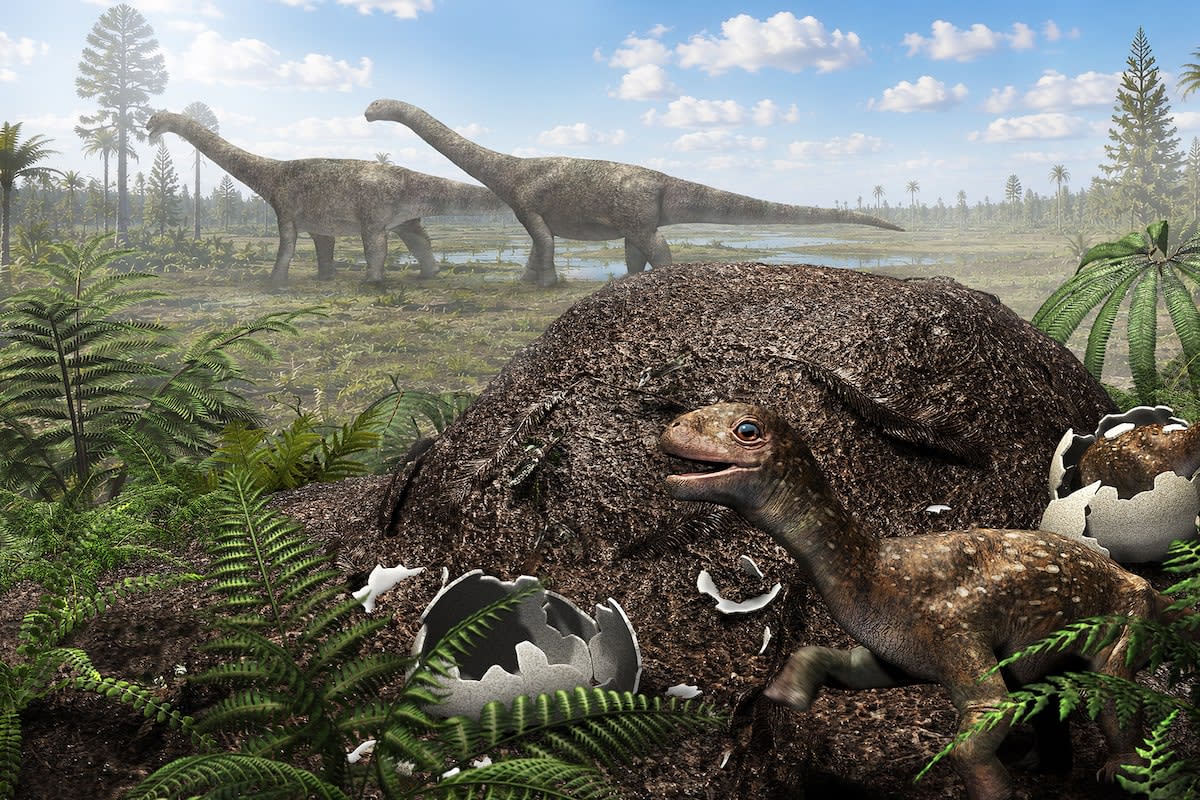
Here's the clever part: the dinosaurs couldn't sit on their eggs like birds do today. At their massive size, they would have crushed everything into a giant omelet. Instead, they built mound nests from vegetation and soil, letting decomposing plant material generate the heat needed for incubation.
The eggs themselves were surprisingly small, about one-eighteenth-thousandth the size of an adult dinosaur. Each egg could hold about 4 liters of liquid and hatch a baby weighing just 9 pounds. Those hatchlings then had to pack on the tons to reach their colossal adult size.
The nests would have been impossible to miss. Darla Zelenitsky, a paleontologist at the University of Calgary who led the research, envisions them as picnic-table-sized mounds of dirt and vegetation with egg clutches buried inside.
The eggs' porous shells support the buried-nest theory. Left in the open, they would have dried out and killed the embryos. Buried in damp vegetation, they stayed humid enough for babies to develop.
Why This Inspires
This discovery shows how adaptable life can be, even at massive scale. Titanosaurs didn't let cold temperatures or their own enormous size stop them from thriving in challenging environments. They engineered a solution using the resources around them, turning rotting plants into natural heating systems that kept their next generation alive.
The finding also suggests these giants may have stayed in southern regions year-round rather than migrating with the seasons. They were raising families and building communities in places once thought too harsh for them.
Sometimes the biggest breakthroughs come from the smallest packages, even if those packages once held 9-pound baby dinosaurs destined to become the largest land animals in Earth's history.
More Images
Based on reporting by Google News - Science
This story was written by BrightWire based on verified news reports.
Spread the positivity!
Share this good news with someone who needs it