Giant Ice Age Echidnas Found After 120 Years in Storage
A finger-sized fossil sitting unnoticed in a museum drawer for over a century just revealed that 15kg giant echidnas once roamed Victoria. The discovery fills in a 1,000km gap in our understanding of ancient Australia.
Sometimes the biggest discoveries are just waiting to be noticed.
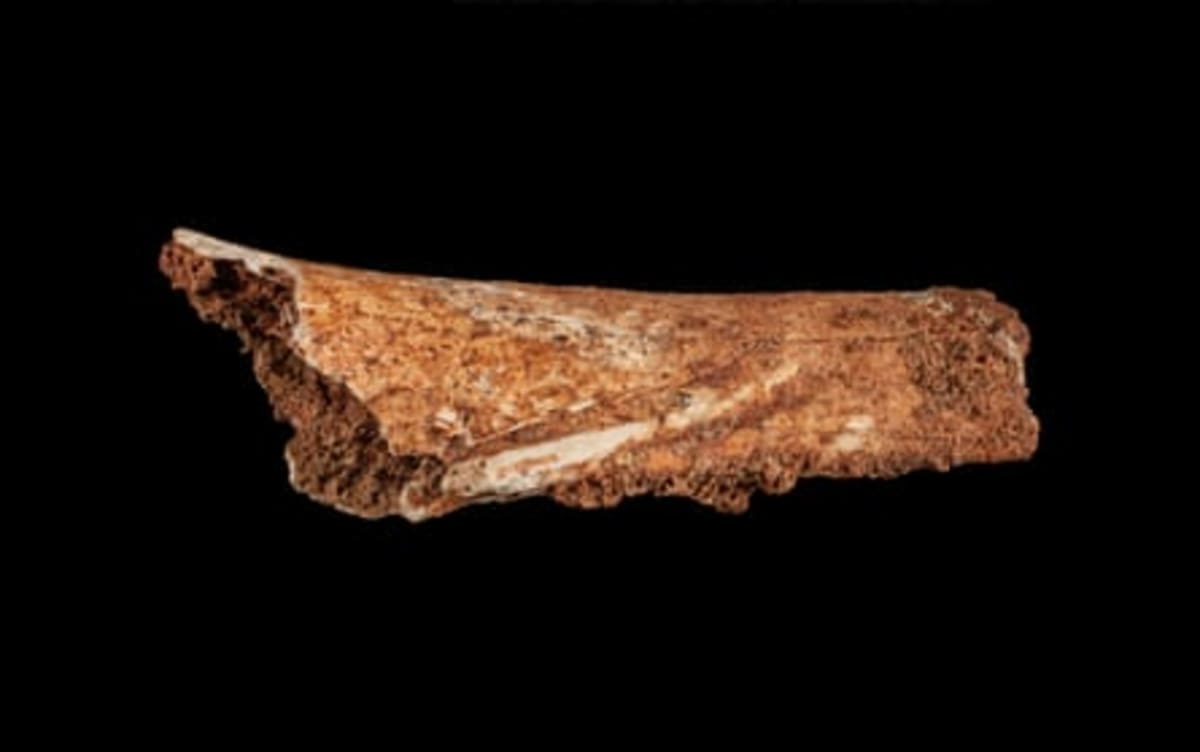
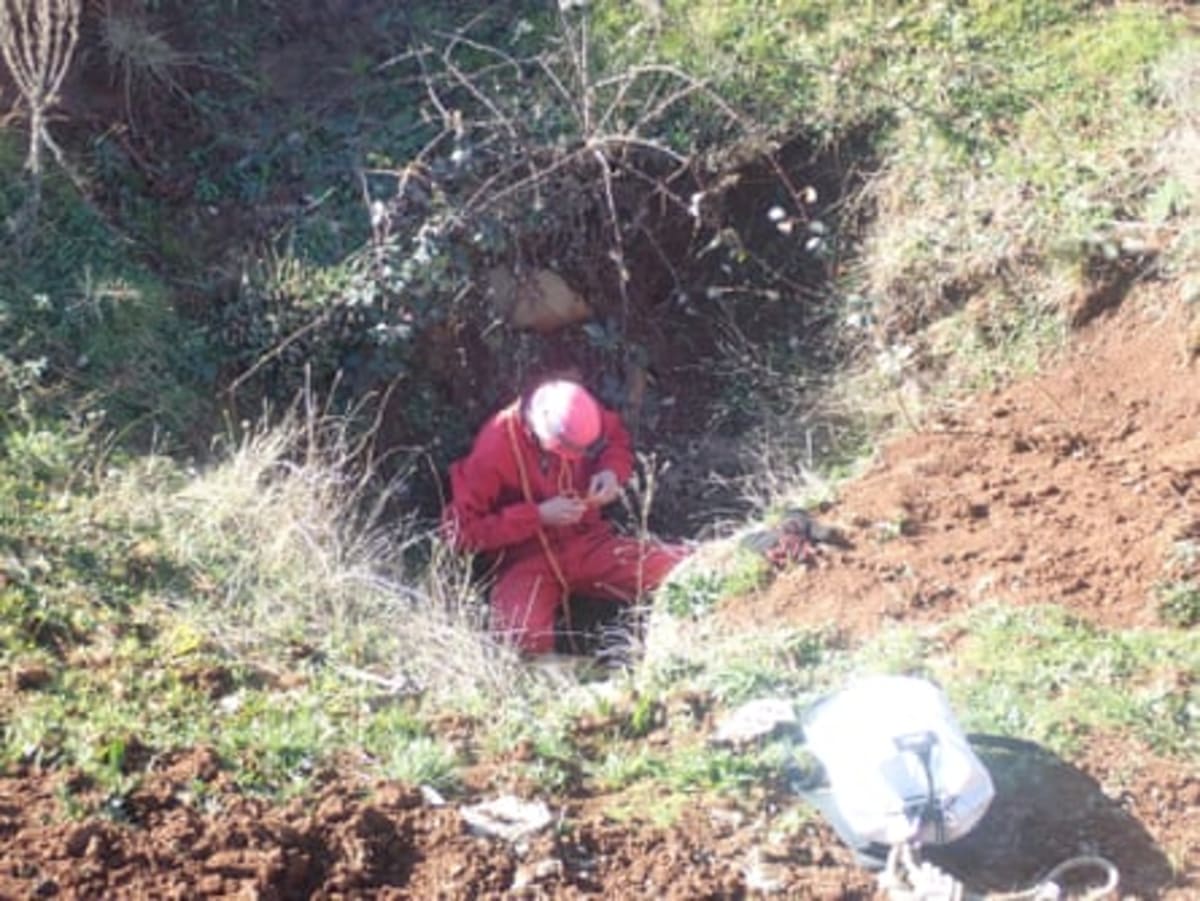
Tim Ziegler was sorting through a tray of jumbled fossils at Museums Victoria when a small bone fragment caught his eye. The fossils had been sitting in storage since 1907, collected from Foul Air Cave in East Gippsland. Most people had probably mistaken the piece for part of a small kangaroo's leg.
But Ziegler noticed something special. The symmetry, the arch, the tiny spaces where air once flowed through. "This is an echidna beak, and it's huge," he realized.
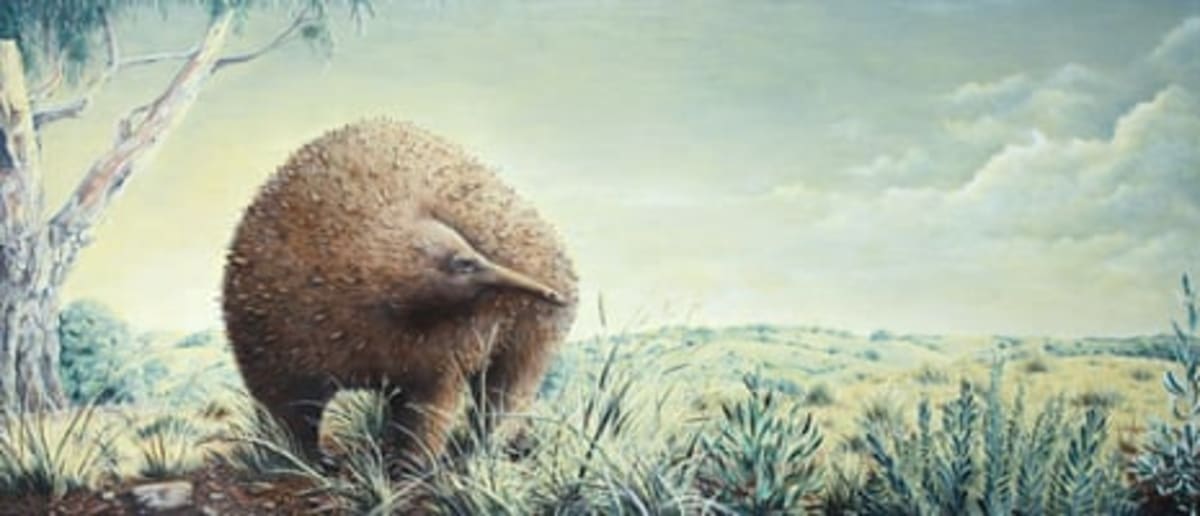
He was looking at evidence of Megalibgwilia owenii, or Owen's giant echidna. These prehistoric creatures lived during the Pleistocene epoch, growing up to 1 meter long and weighing 15kg, twice the size of modern Australian echidnas. They roamed the continent from Western Australia to Tasmania between 2.5 million years ago and the end of the ice age.
Except nobody had ever found one in Victoria. Scientists knew giant echidnas lived in neighboring states, but there was a mysterious 1,000km gap in the fossil record. Had Victoria's ancient landscape somehow been different?
Ziegler spent years confirming his hunch. He created 3D scans of modern and fossil echidna specimens from museums across the country. He dove into historical archives to trace the fossil's journey, confirming it was collected by museum officer Frank Spry over 120 years ago.
The evidence was clear. These weren't ordinary echidnas. Their bones showed deep muscle scars and large ligament attachments, suggesting they used tremendous force when interacting with their environment. They likely tore through tree bark and dug powerfully into the ground hunting for beetle larvae, bogong moths, and other prey.
Why This Inspires
This discovery reminds us that mysteries don't always require new expeditions to faraway places. Sometimes the answers are right under our noses, waiting for someone to look at them with fresh eyes. Museum collections hold countless untold stories, preserved and protected by generations of curators who trusted that someone, someday, would ask the right questions.
The giant echidnas weren't missing from Victoria after all. They were there all along, patiently waiting in a drawer for their moment to be recognized. The research was published in Alcheringa: An Australasian Journal of Palaeontology, finally completing the picture of where these remarkable creatures once lived.
Sometimes patience and persistence reveal wonders that have been hiding in plain sight for over a century.
More Images

Based on reporting by Guardian Environment
This story was written by BrightWire based on verified news reports.
Spread the positivity!
Share this good news with someone who needs it