Giant Ice Floes Turn German River Into Arctic Wonderland
A cold snap created spectacular ice formations up to 30 feet high on Germany's Elbe River, drawing crowds to marvel at nature's rare winter display. While shipping faces delays, locals are embracing the stunning icy spectacle unseen in a decade.
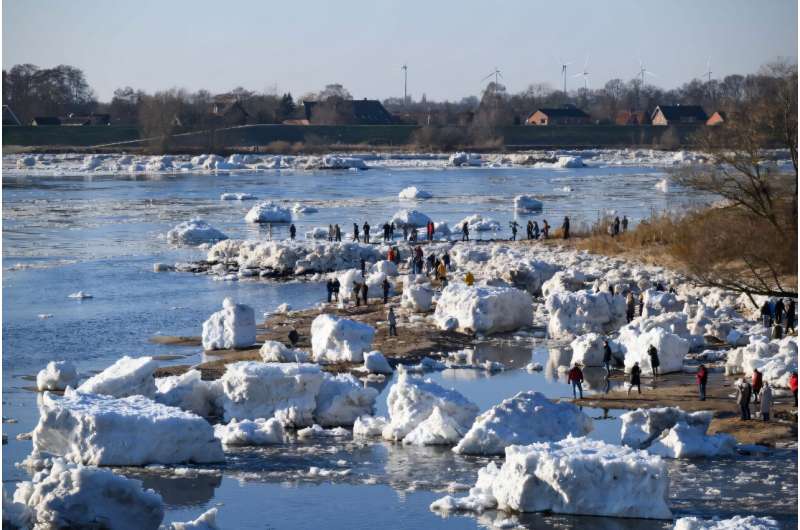
Dozens of northern Germans bundled up Monday to witness something they haven't seen in 10 years: towering ice mountains rising from their local river like an Arctic landscape transported to their backyard.
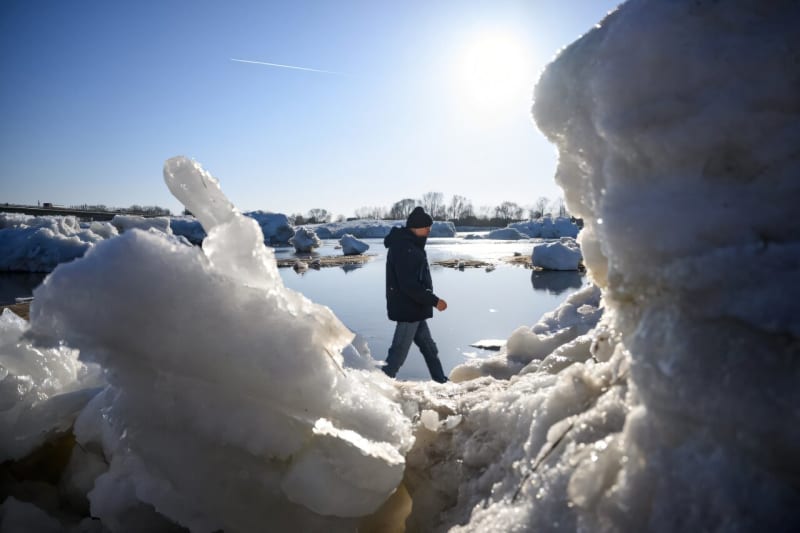
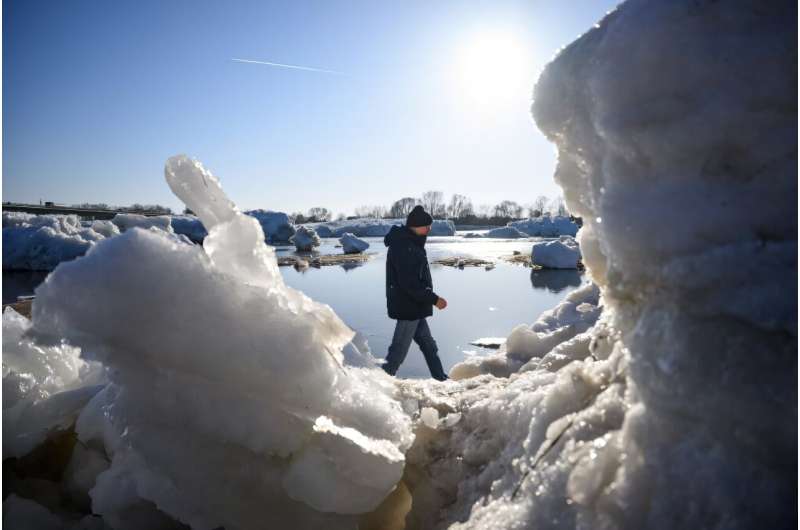
The Elbe River near Geesthacht has transformed into a frozen wonderland after temperatures dropped to minus 15 degrees Celsius during recent weeks. Icebreakers smashed through upstream ice, sending massive floes downstream where they piled into jagged formations reaching more than 30 feet high.
Locals took advantage of sunny weather to walk among the giant ice blocks scattered along the riverbank. The rare natural phenomenon turned an ordinary Monday into an impromptu community celebration as people gathered to photograph and explore the temporary ice sculptures.
The Elbe flows more than 1,000 kilometers from Czech mountains through Germany before reaching the North Sea at Cuxhaven. This particular stretch near Hamburg became the perfect spot for ice to accumulate at a river barrage, creating the spectacular pileup.
Tilman Treber from Germany's federal navigation authority explained that breaking up the ice here proves tricky because crews must wait until the river current overpowers the incoming tide from the North Sea. Navigation has slowed on this stretch, though Hamburg's main port remains open thanks to quick icebreaker deployment last week.
The Bright Side: While shipping companies face temporary delays, this rare freeze offers something more valuable than efficient cargo transport. It gives communities a chance to witness nature's raw power and beauty, creating shared memories that will last far longer than any delivery schedule.
Temperatures are expected to dip below freezing again, which means the ice formations might stick around a bit longer. For northern Germans, that's not bad news at all.
More Images


Based on reporting by Phys.org - Earth
This story was written by BrightWire based on verified news reports.
Spread the positivity!
Share this good news with someone who needs it