Giant Ships to Run on Ethanol, Cut Emissions by 90%
Brazilian mining company Vale just ordered the world's first massive ocean-going ships powered primarily by ethanol, slashing greenhouse gas emissions by up to 90%. The innovative vessels combine biofuel technology with wind-assisted propulsion to chart a new course for cleaner shipping.
The world's largest cargo ships are about to get a surprising green makeover, and it runs on the same fuel that powers your car's flex-fuel engine.
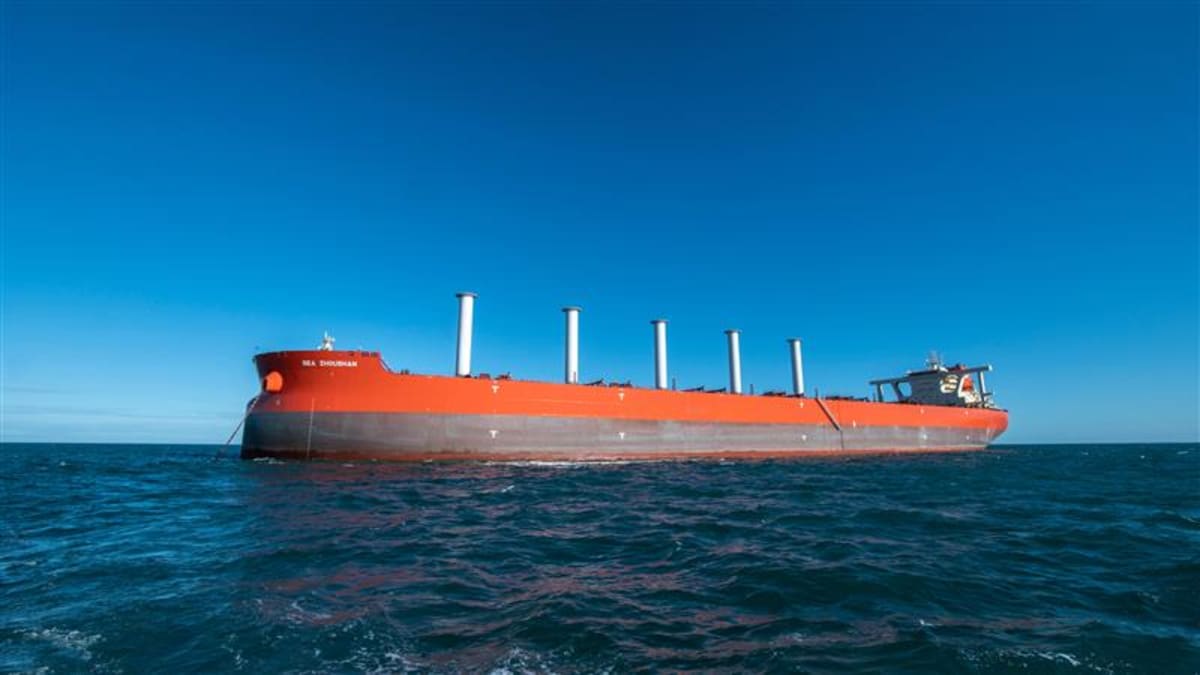
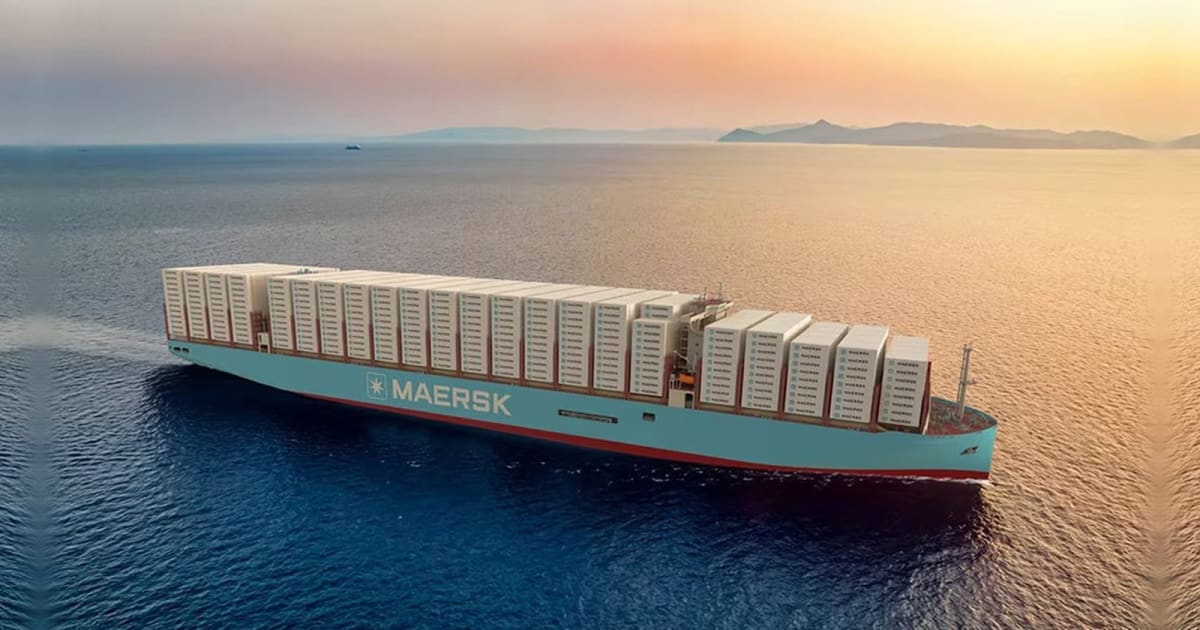
Brazilian mining giant Vale just signed a deal to build the first deep-sea bulk carriers powered mainly by ethanol. These aren't small vessels either. At 340 meters long with room for 325,000 tonnes of cargo, they're floating giants that will revolutionize how we think about clean shipping.
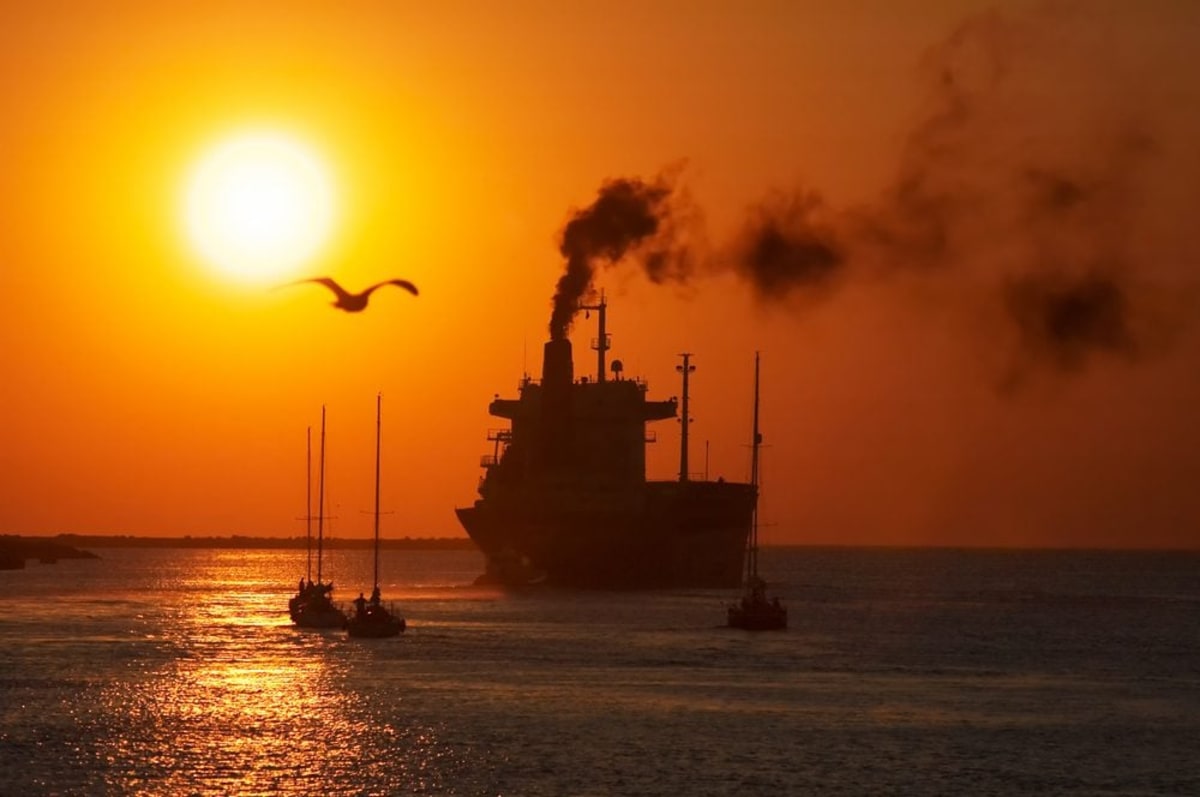
The breakthrough lies in second-generation ethanol's incredible emissions profile. When measured from production to combustion, this biofuel slashes carbon emissions by around 90% compared to the heavy fuel oil that currently powers most ocean-going ships. That's a game-changer for an industry responsible for about 3% of global emissions.
Vale designed these ships to be future-proof, not just future-friendly. They'll run on ethanol as the primary fuel but can switch to methanol or conventional bunker fuel when needed. Engineers even built in the flexibility to retrofit them for LNG or ammonia down the road.
The first vessel hits the water in 2029, part of Vale's ambitious plan to cut shipping emissions by 15% by 2035. Rodrigo Bermelho, Vale's Director of Shipping, says the strategy combines flexibility with efficiency to navigate the energy transition smoothly.
But ethanol isn't the only green technology onboard. Each ship will sport five massive rotor sails that capture wind energy, reducing the load on the engines. Add in optimized hull designs, advanced coatings, and high-efficiency systems, and these vessels will emit 15% less carbon than current-generation ore carriers even before the ethanol advantage kicks in.
The Ripple Effect
While much of the shipping industry has focused on ammonia and methanol as future fuels, Vale's ethanol bet opens an entirely new pathway. Brazil already produces ethanol at scale for vehicles, meaning the infrastructure and supply chains exist today. Other shipping companies watching this experiment could adopt the same approach without waiting decades for new fuel networks to develop.
Vale has already invested $1.4 billion in emissions reduction since 2020, testing ethanol in trucks and trains. Now they're scaling that success to the open ocean. Ten dual-fuel ships running on methanol will arrive even sooner, starting in 2027, as stepping stones to the full ethanol fleet.
The project proves that massive industrial operations can decarbonize without sacrificing capacity or reliability. If ships carrying hundreds of thousands of tonnes can run on biofuel, it signals hope for every corner of the transportation sector.
Clean shipping just got a powerful new ally, and it's been hiding in plain sight all along.
More Images
Based on reporting by Google News - Emissions Reduction
This story was written by BrightWire based on verified news reports.
Spread the positivity!
Share this good news with someone who needs it