Giant Telescope 40% Built, Seeks Funds for 2028 Launch
A revolutionary telescope powerful enough to discover Earth-like planets and unlock cosmic mysteries has reached a major milestone, with 40% of its components already being built. The Giant Magellan Telescope just needs final funding approval to begin full construction in 2028.
Scientists are one step closer to building a telescope that could answer humanity's biggest question: Are we alone in the universe?
The Giant Magellan Telescope project just completed a major update summit on April 14th, revealing that 40% of the massive observatory is already in active construction. Over a billion dollars from universities and donors worldwide has funded progress on what will become one of Earth's most powerful windows into space.
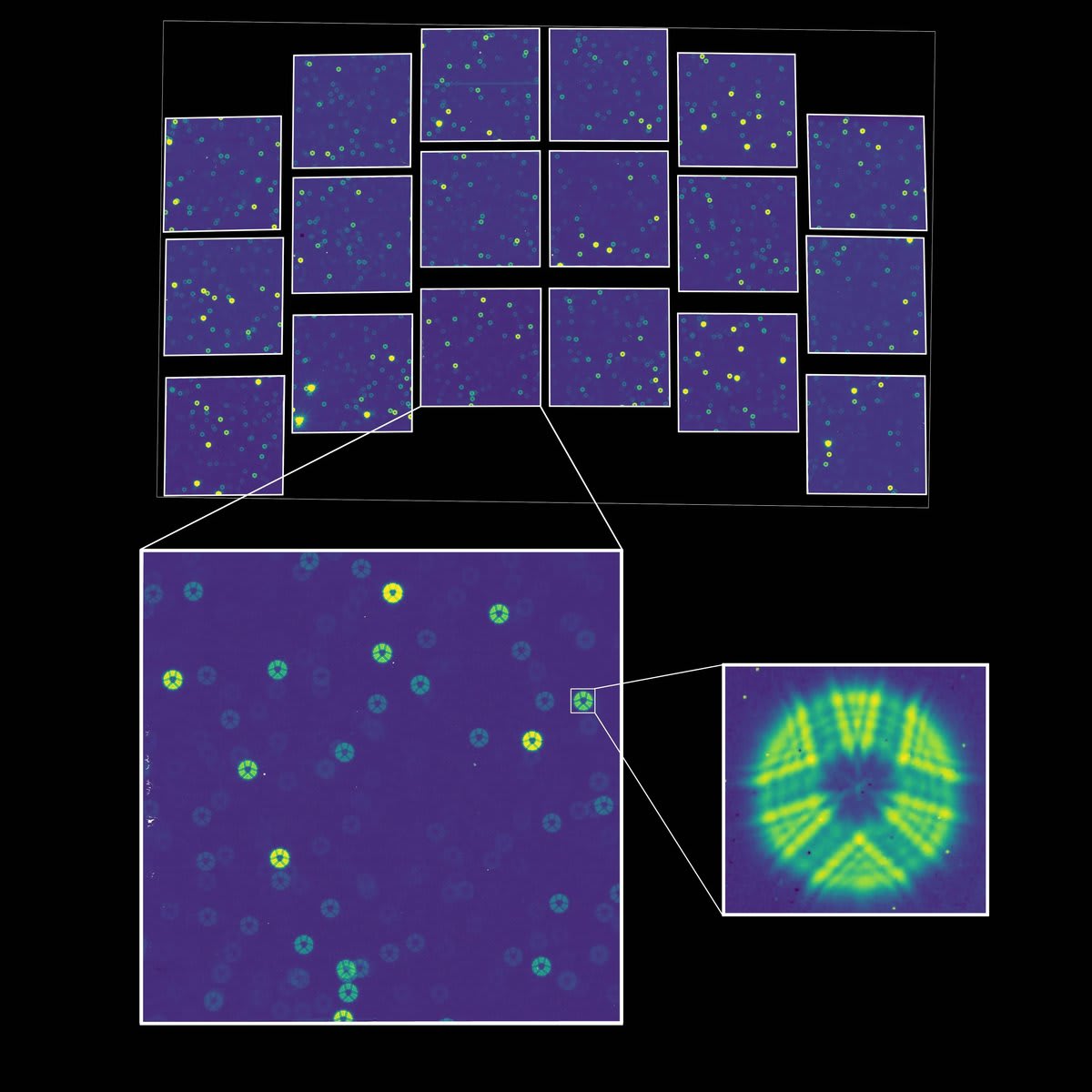
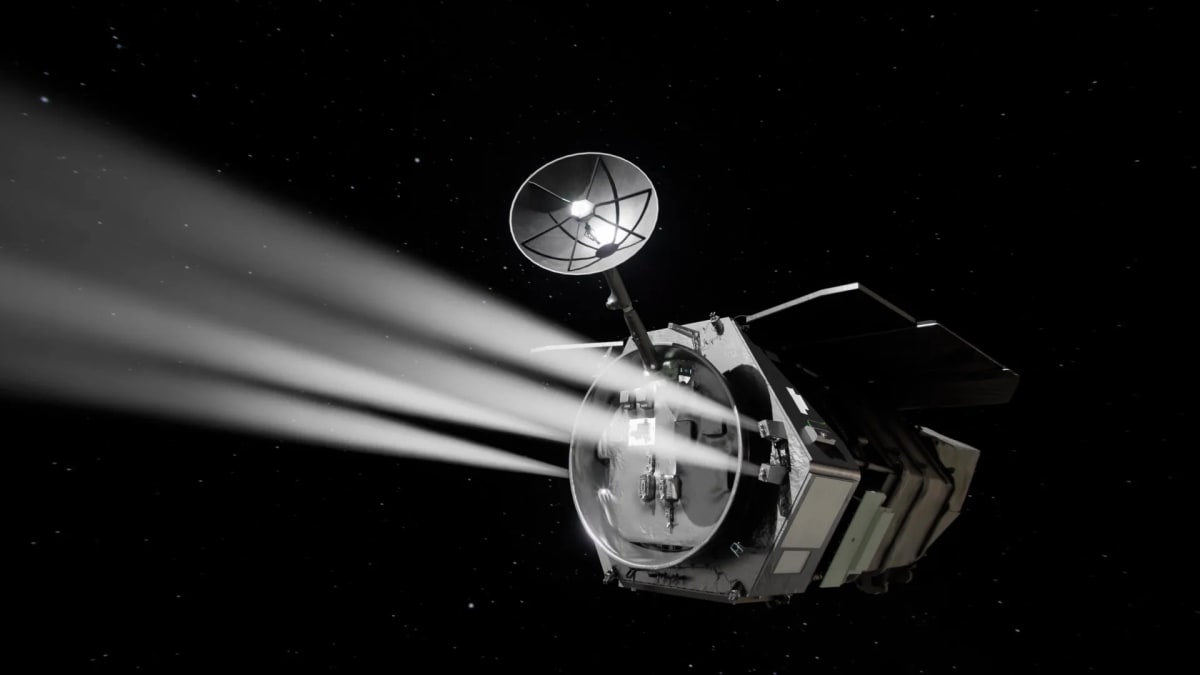
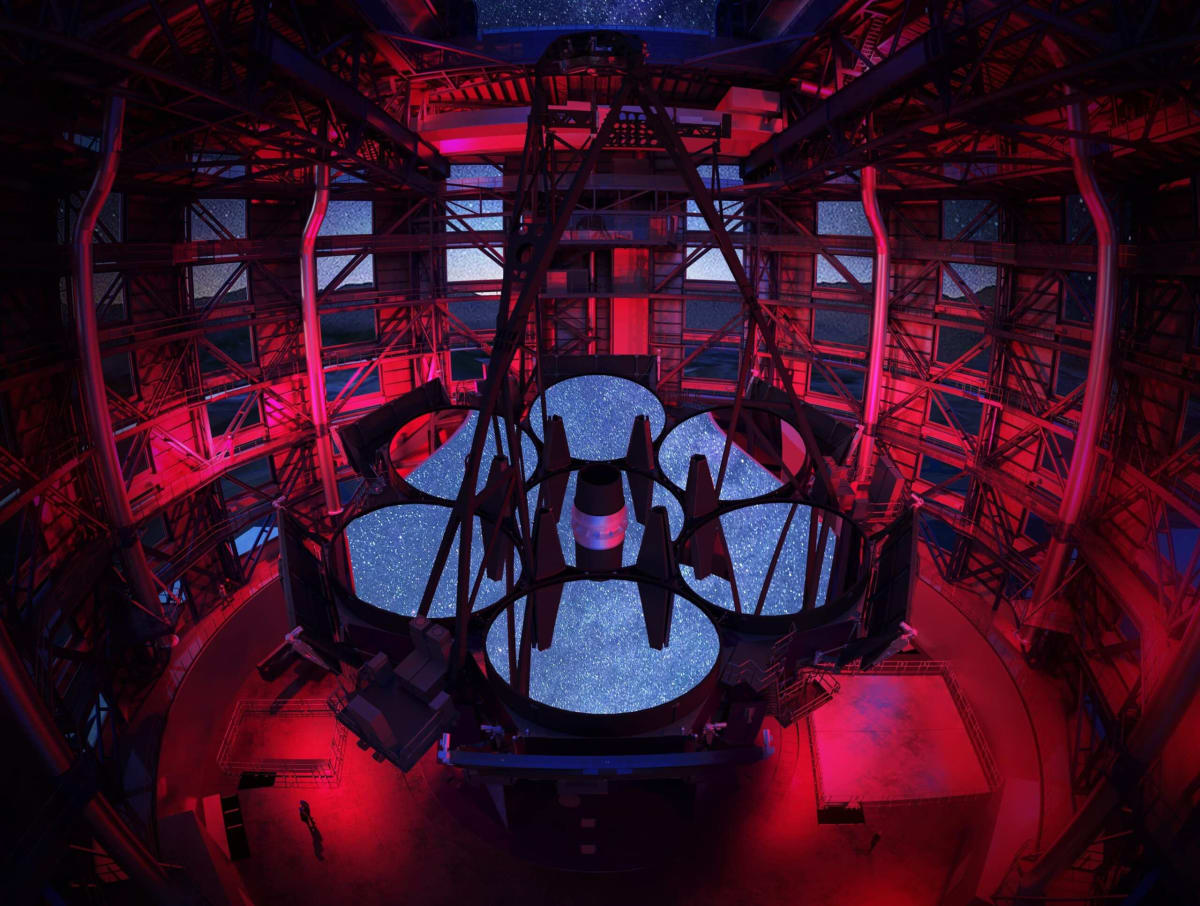
The telescope's design is genuinely impressive. Seven giant mirrors, each among the largest single telescope mirrors ever made, will work together to create a 83-foot viewing surface. That's powerful enough to spot potentially habitable planets orbiting distant stars and peer deeper into space than ever before.
Right now in Rockford, Illinois, engineers are building a mount so enormous they had to construct a special 40,000 square foot building just to house it during assembly. The finished mount will stand 128 feet tall and weigh 2,600 tons, holding all seven primary mirrors plus their accompanying secondary mirrors and scientific instruments.
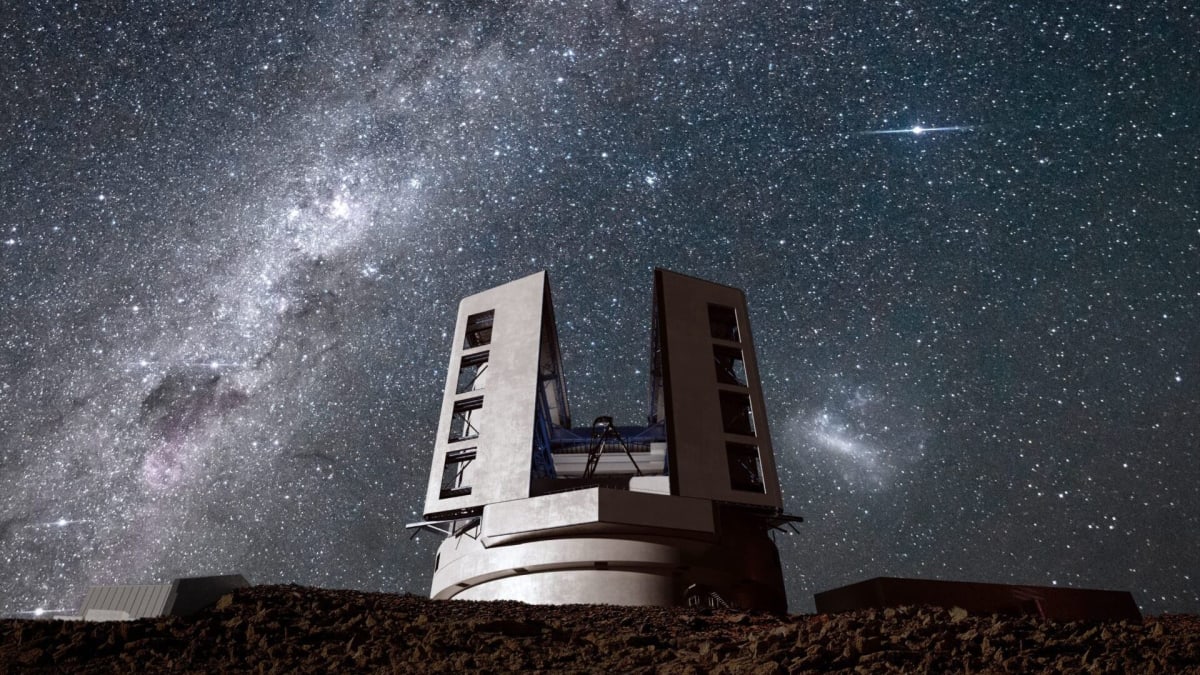
Meanwhile in Chile's Atacama desert, 7,870 feet above sea level, the telescope's foundation has already been dug at Las Campanas Peak. The location offers one of the darkest, driest, and most stable night skies on Earth, perfect conditions for spotting faint distant objects.
The telescope's Chief Scientist Rebecca Bernstein highlighted a game-changing feature: adaptive optics. Seven ultra-thin secondary mirrors, each just 2mm thick but a full meter across, will constantly adjust their shape using 700 tiny magnets. This technology counteracts atmospheric distortion, eliminating the twinkle you see when looking at stars with your backyard telescope.
The project recently entered its final design phase through the National Science Foundation, clearing every independent federal review over the past five years. Daniel Jaffe, President of the GMT Consortium, expects to complete this final design phase by mid-2027.
Why This Inspires
This telescope represents something rare in today's world: genuine international cooperation toward discovery. Sixteen universities and research institutions across multiple countries have pooled resources, not for profit or competition, but purely to expand human knowledge.
The technology being developed will help answer questions humans have asked since we first looked up at the night sky. Finding habitable planets could reshape our understanding of life itself.
Pending approval from the National Science Foundation and Congress, full-scale construction will begin in fiscal year 2028, with the telescope potentially coming online in the 2030s. That timeline puts humanity within a decade of potentially revolutionary discoveries about our cosmic neighbors and the universe's deepest secrets.
More Images


Based on reporting by Space.com
This story was written by BrightWire based on verified news reports.
Spread the positivity!
Share this good news with someone who needs it