Giant Tortoises Return to Galapagos After 200 Years
After nearly two centuries of extinction on Floreana Island, giant tortoises are roaming free again thanks to an incredible conservation comeback. Their return marks a major win for one of the world's most ambitious ecosystem recovery projects.
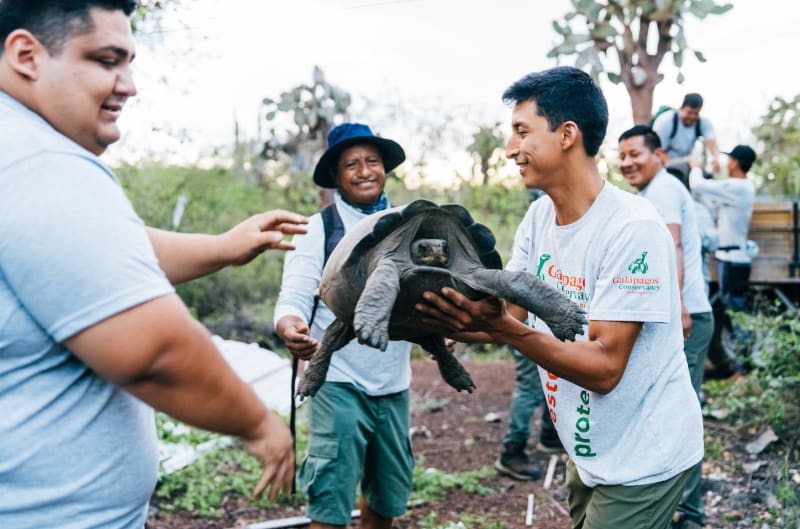
For the first time since the 1800s, giant tortoises are walking across Floreana Island in the Galapagos, bringing hope to an ecosystem that desperately needs them.
This week, scientists released 158 giant tortoises onto Floreana, completing one of the most ambitious conservation projects ever attempted on the famous archipelago. The Floreana giant tortoise was wiped out in the mid-1800s by whalers and invasive species like rats and goats.
For over a century, everyone assumed the species was gone forever. But in 2000, researchers discovered something remarkable: hybrid tortoises with Floreana ancestry living on a neighboring island.
That discovery sparked a 25-year selective breeding program to bring back tortoises with maximum Floreana genetics. Meanwhile, conservation teams worked to clear Floreana of the invasive species that had destroyed the original population.
The tortoise release isn't just about saving a species. These gentle giants are ecosystem engineers who will help restore the entire island.
"Giant tortoises are a critical part of this," said Rakan Zahawi, executive director of the Charles Darwin Foundation. "By dispersing seeds, shaping vegetation, creating microhabitats, and influencing how landscapes regenerate, they help rebuild ecological processes that many other species depend on."
The Ripple Effect
The tortoises returning to Floreana will trigger a cascade of positive changes across the island. As they roam and graze, they'll spread seeds from native plants in their droppings, helping forests regrow in areas that have been barren for decades.
Their massive bodies will create small habitats where insects and smaller animals can shelter. Their grazing will shape the landscape, opening up areas for new plant growth while maintaining healthy vegetation balance.
Other species that depend on these ecosystem functions will benefit too. Birds, lizards, and countless insects will find new opportunities as the tortoises reshape their island home.
The project shows what's possible when conservation teams think big and commit for the long haul. What seemed impossible in 2000 became reality through patience, science, and dedication.
After 200 years of absence, the giants have come home to stay.
Based on reporting by Positive News
This story was written by BrightWire based on verified news reports.
Spread the positivity!
Share this good news with someone who needs it