Giant Tractor Brings 1.5M Visitors to Tiny Wheat Town
A small Australian town built the world's largest tractor and turned it into a selfie magnet that's reviving their local economy. Communities worldwide are discovering that quirky attractions and great storytelling can transform struggling main streets into tourist destinations.
When the tiny town of Carnamah finished building an 11.5-metre-tall bright orange tractor in 2024, locals probably hoped a few people would stop by. Instead, the world's largest tractor replica became a selfie sensation that's now routing highway traffic directly through their wheat belt community.
The massive Chamberlain 40K tractor honors one first built in the same town nearly 80 years ago. Now travelers from across Australia detour just to snap photos with the roadside giant, bringing fresh energy and money to local businesses.
Carnamah isn't alone in discovering the power of creative placemaking. In the New Zealand town of Kawakawa, when famous Austrian architect Friedensreich Hundertwasser offered to design a building for the community, they asked for public toilets. His colorful mosaic masterpiece now attracts 1.5 million visitors annually to a town that just needed a bathroom.
"Through storytelling and creating experience, you can begin to not just reinvent businesses, but also reinvent the town," says Peter Kenyon, founder of Bank of IDEAS, a consulting firm specializing in rural economic development. He shared these success stories at a recent webinar for rural Ontario communities looking to revitalize their main streets.
The most impressive transformation Kenyon highlighted happened in Beechworth, Australia. In the 1970s, the former mining town was so depressed that property owners couldn't give land away. Then businessman Tom O'Toole bought the local bakery, renovated it, trained workers, and turned it into an experience destination with Sunday jazz bands, street performers in costume, and pie-eating contests.
Today, roughly eight million people annually visit Beechworth Bakery in a town of just 3,000 people. O'Toole employs 74 workers because people don't come just for pastries—they come for the atmosphere, the story, and the fun.
The Ripple Effect
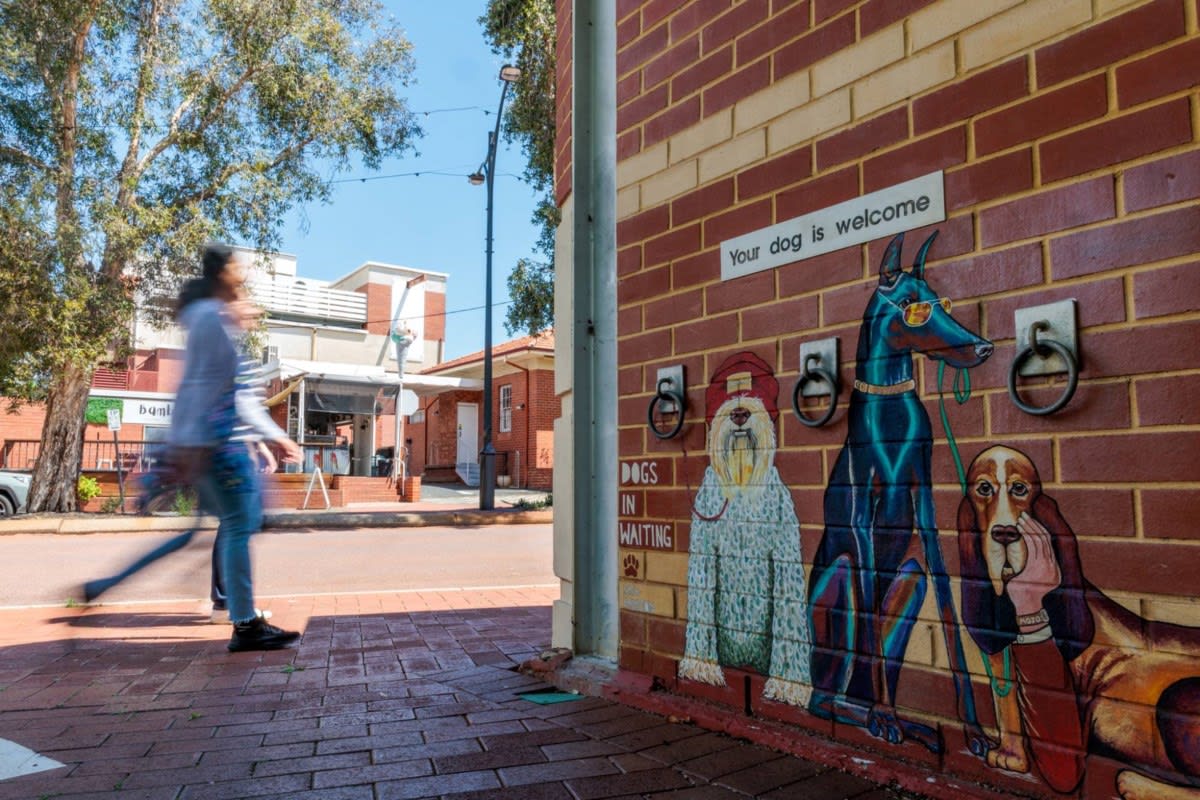
These creative approaches show that small towns don't need massive budgets to attract visitors. Simple changes like adding trees and flowers, allowing sidewalk cafés, installing public art, or creating photo-friendly selfie spots can transform how people experience a place. Making main streets dog-friendly particularly appeals to younger generations who want their pets along for adventures.
Kenyon emphasizes that communities must design for people, not parking lots. He's amazed how many town leaders fixate on vehicle access instead of creating spaces where humans actually want to spend time.
The secret ingredient isn't just quirky attractions—it's storytelling. People forget statistics, but they remember great stories that spark curiosity and build local pride. Using humor in signs, highlighting locally-made products, and celebrating achievements all help communities stand out.
These towns prove that with creativity and fresh eyes, any community can find its "wow" factor and turn it into economic opportunity.
Based on reporting by Google News - Small Business Success
This story was written by BrightWire based on verified news reports.
Spread the positivity!
Share this good news with someone who needs it