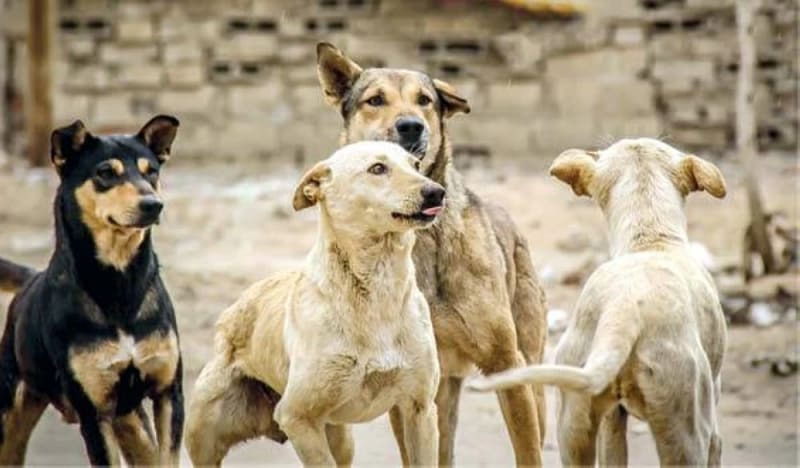
Giza Vaccinates 5,000 Stray Dogs in Humane New Program
Egypt's Giza governorate just vaccinated and sterilized over 5,000 stray dogs in six months using a compassionate approach that protects both animals and communities. The program partners universities with local veterinary teams to create a model for humane animal population control.
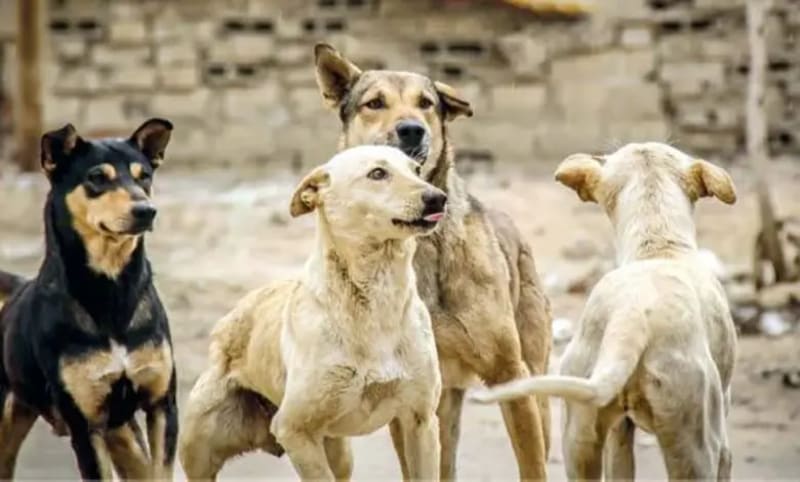
Over 5,000 stray dogs in Giza, Egypt now have a safer future thanks to a groundbreaking program that chooses compassion over cruelty.
In just six months, the governorate's Directorate of Veterinary Medicine vaccinated and sterilized 5,090 stray dogs across the region. Governor Adel al-Najjar announced the achievement as part of a larger strategy to manage stray populations while maintaining environmental balance and animal welfare.
The initiative marks a significant shift in how communities address stray animal challenges. Rather than culling or ignoring the issue, Giza chose science-based population control that protects both public health and the animals themselves.
Veterinary teams worked alongside Cairo University researchers and civil society organizations to deliver the vaccinations and procedures. This collaboration ensures the approach follows certified scientific methods and best practices from around the world.
The program doesn't stop at medical care. Governor al-Najjar directed district leaders to identify locations for specialized shelters where stray dogs can be housed safely without disrupting residential areas or harming local ecosystems.
The Ripple Effect
This humane approach creates wins on multiple fronts. Communities gain protection from potential rabies outbreaks through the vaccination program. Dogs receive medical care and sterilization that prevents overpopulation in future generations.
The collaboration between government agencies, universities, and nonprofits also builds a replicable model. Other regions struggling with stray populations now have a proven framework that balances safety concerns with ethical animal treatment.
By choosing sterilization over elimination, Giza maintains the ecological role that dogs play in their environment. They control rodent populations and participate in the urban ecosystem without growing to unsustainable numbers.
The program responds directly to citizen concerns while refusing to compromise on humanitarian standards. Field teams continue monitoring neighborhoods and addressing complaints as they emerge, ensuring the solution works for both human and animal residents.
Governor al-Najjar emphasized the program's commitment to ongoing follow-up rather than one-time intervention. The sustained effort means Giza's streets become safer year after year as sterilization naturally reduces stray populations over time.
When governments choose compassion backed by science, entire communities benefit for generations.
More Images
Based on reporting by Egypt Independent
This story was written by BrightWire based on verified news reports.
Spread the positivity!
Share this good news with someone who needs it