Global Effort Saves Hawksbill Sea Turtles From Extinction
After decades of devastating population loss, hawksbill sea turtles are getting a lifeline from an international network of conservation heroes. From Solomon Islands community rangers to Florida researchers, people worldwide are joining forces to protect these ancient ocean travelers.
Communities across 102 countries are uniting to save one of Earth's most beautiful survivors.
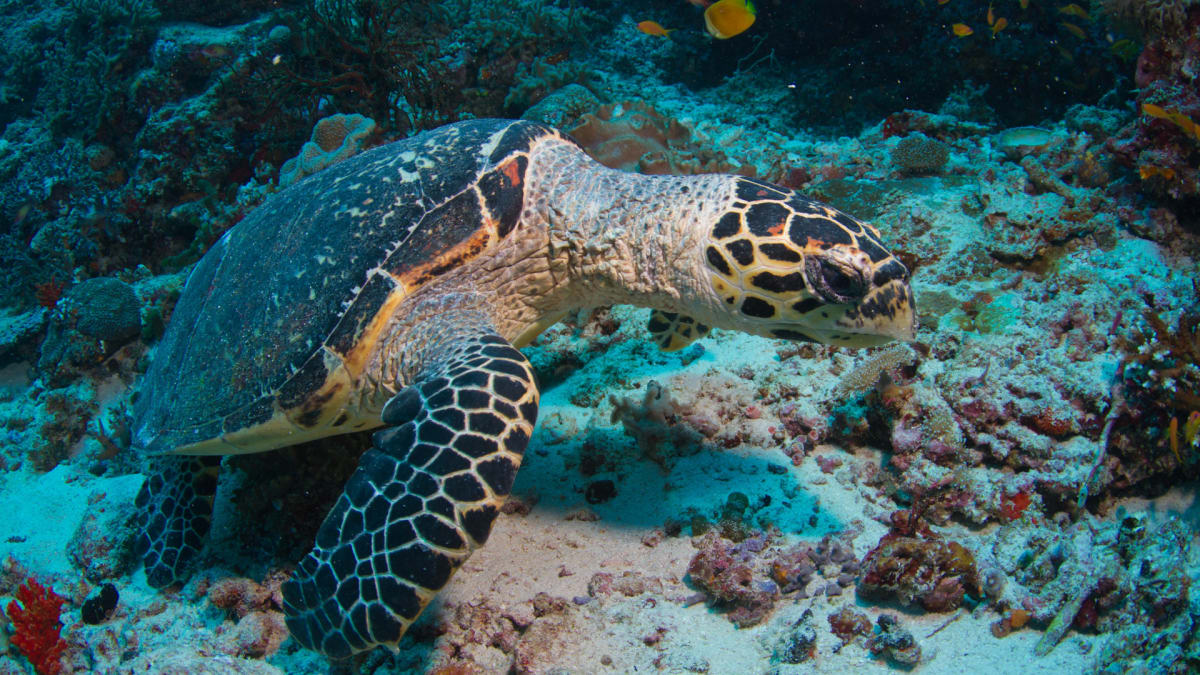
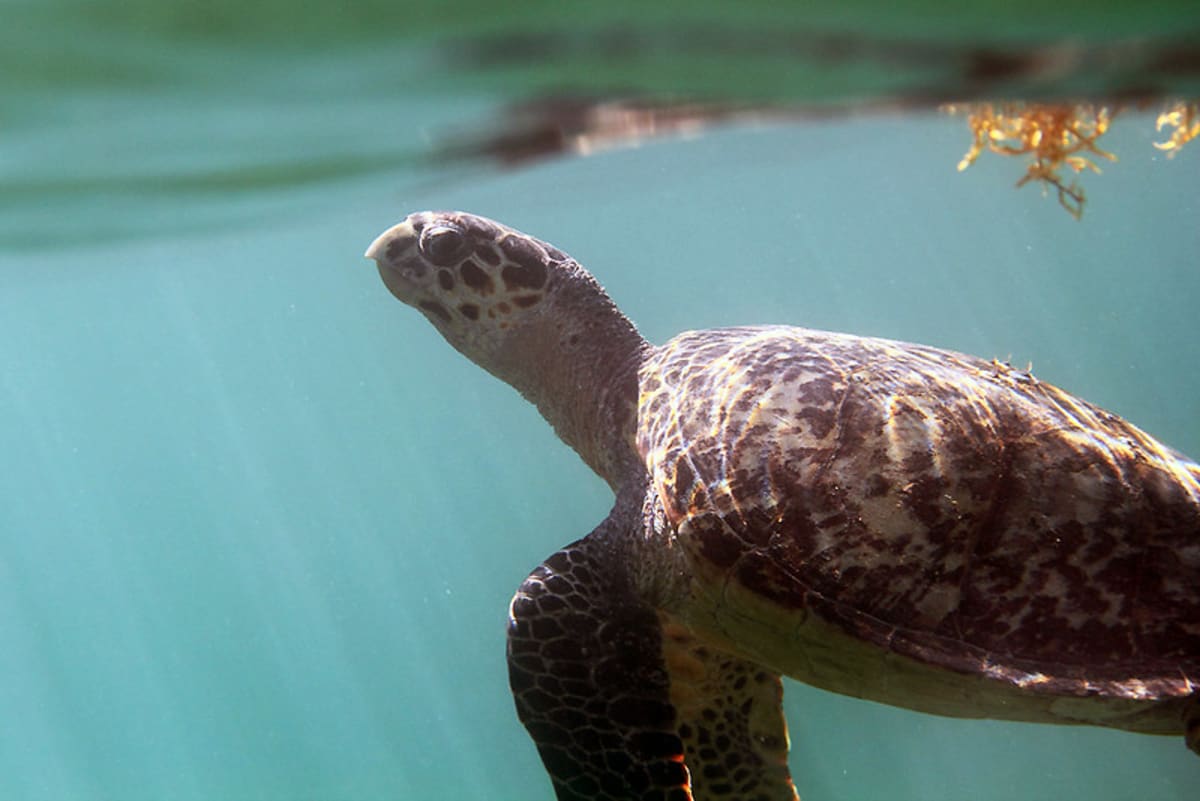
The hawksbill sea turtle has glided through our oceans for 100 million years, sporting shells of vibrant oranges, yellows, and reddish browns. Now, thanks to dedicated conservationists and smart policy changes, these critically endangered creatures are getting the protection they desperately need.
In the Solomon Islands, home to the largest hawksbill nesting site in the South Pacific, local community rangers patrol beaches at the Arnavon Community Marine Park. They guard nests, monitor populations, and enforce conservation rules, giving thousands of hatchlings a fighting chance.
The success story spans continents. NOAA has developed two comprehensive recovery plans covering U.S. Pacific and Caribbean waters, focusing on practical solutions like turtle excluder devices that help fishing boats avoid accidentally catching turtles in their nets.
In Fiji, the World Wildlife Fund sponsors monitors from local villages who protect nests and teach tuna fishers how to reduce accidental turtle captures. The approach works because it empowers the people who know these waters best.
Florida researchers are running the Hawksbill Project to track turtles spotted off the southeast coast, building crucial data that helps protect Caribbean populations. Every sighting adds another piece to the puzzle of how to help these travelers thrive.
The 1977 international ban on commercial tortoiseshell trade marked a turning point. What was once a thriving market for turtle shell combs, jewelry, and trinkets is now largely stopped, though enforcement continues in some regions.
The Ripple Effect
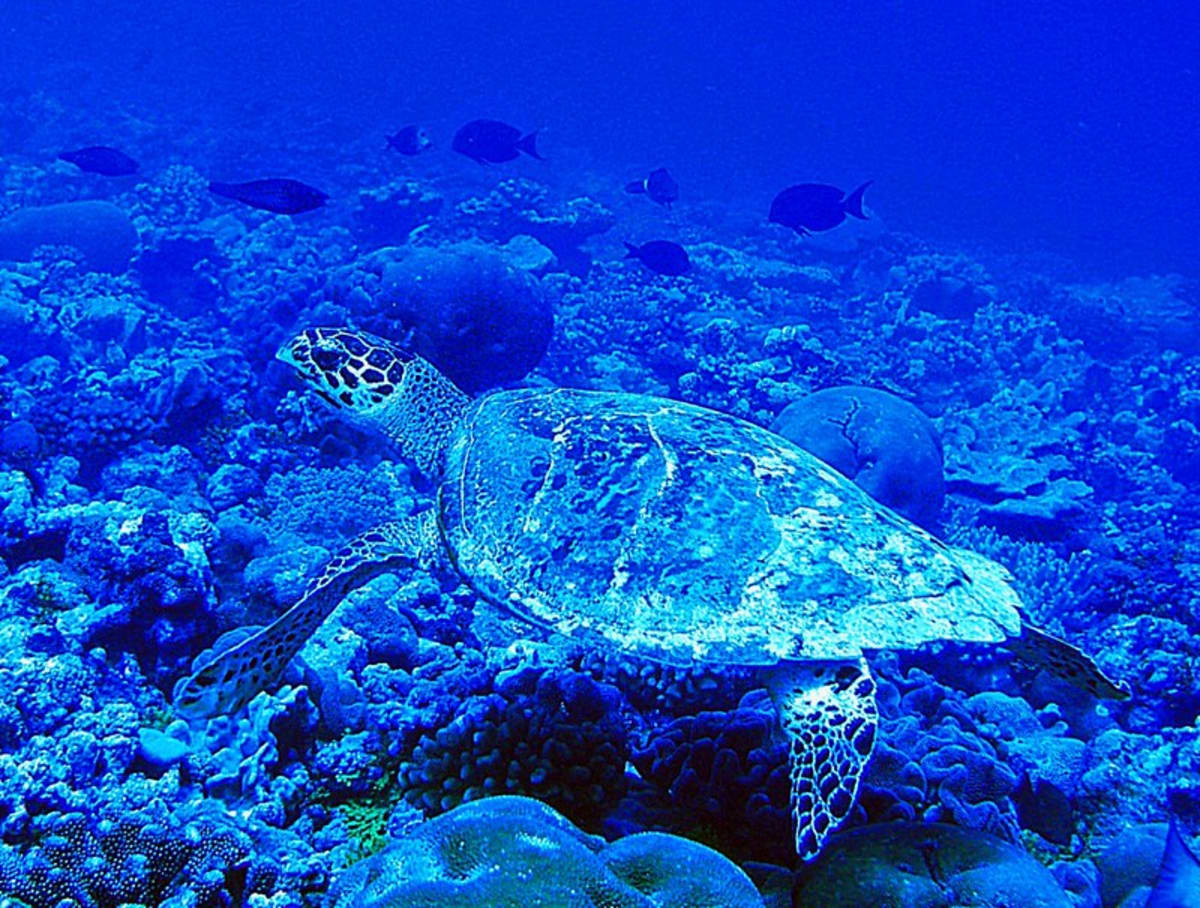
When communities protect hawksbill turtles, everyone benefits. These turtles maintain healthy coral reefs by eating the sponges that would otherwise overwhelm the ecosystem. Healthier reefs mean more fish for coastal communities, better storm protection for islands, and thriving ocean tourism.
The conservation work creates jobs for local rangers and monitors, turning former threats into protectors. Young people in fishing villages now grow up seeing turtle conservation as a career path, not just a restriction on their livelihoods.
From Australia to Mexico, Cuba to Hawaii, people are choosing to invest in these ancient mariners. The turtles that once faced extinction from human hands are now being saved by human hearts.
More Images

Based on reporting by Google: species saved endangered
This story was written by BrightWire based on verified news reports.
Spread the positivity!
Share this good news with someone who needs it