Global Leaders Unlock $1.3B to Restore Rangeland
A historic $1.3 billion investment will restore grasslands across 23 countries, protecting land that feeds two billion people. The funding marks the largest single commitment to rangelands in UN history.
World leaders just made the biggest bet on grasslands in history, and it could change everything for two billion people who depend on these vast landscapes to survive.
At the UN Convention to Combat Desertification conference in Mongolia, governments and investment funds announced $1.3 billion in new financing to restore rangelands and fight drought across five continents. Of that total, $644.5 million represents brand new money, with $216.4 million already confirmed and moving toward action.
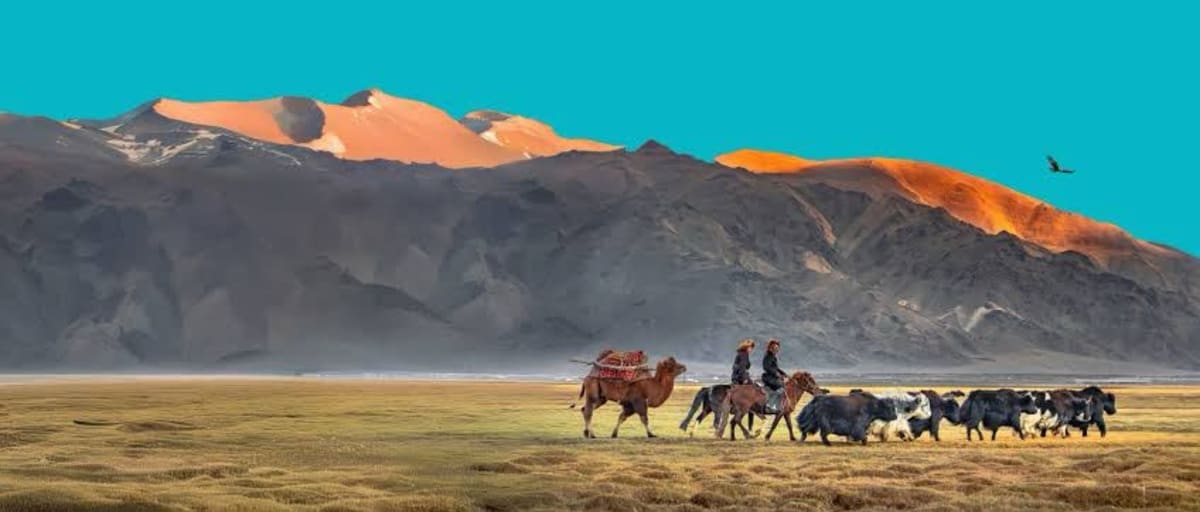
Rangelands cover more than half of Earth's land surface and support about two billion people, including 500 million pastoralists who herd livestock across these open grasslands. But up to half of the world's rangelands are degraded or at risk, threatening food production and pushing communities into conflict over shrinking resources.
In Nigeria alone, more than 50 percent of grazing lands have been degraded, fueling farmer-herder conflicts that have affected communities for decades. Across Africa, roughly 12 percent of land is degraded, but Nigeria faces nearly double that rate at 23 percent.
The economic value of healthy rangelands runs between $21 trillion and $47 trillion annually through food production, water supply, carbon storage and biodiversity. Every dollar invested in restoration typically generates between $4 and $6 in benefits, rising to $36 per dollar when water supply and other public benefits are included.
The Rangelands Flagship Initiative, valued at $1.2 billion across 45 projects, represents the heart of this mobilization. Launched during the UN International Year of Rangelands and Pastoralists, the initiative brings together major players like the Global Environment Facility, Asian Development Bank, and Green Climate Fund.
Germany is supporting the Forests4Future program with $76 million, while the Green Climate Fund committed $40 million for resilient rangelands in northwestern Zimbabwe. The Adaptation Fund added $9.1 million for locally led projects involving Indigenous peoples and communities across Africa.
The Ripple Effect
This investment does more than restore grass. It rebuilds economic infrastructure that underpins food security, water access, jobs and stability for communities from Mongolia to Zimbabwe to Kenya.
When land fails, entire economies feel the impact. The UN estimates that meeting global land restoration commitments requires $355 billion annually through 2030, but current investment sits at only $77 billion, leaving a $278 billion gap each year.
UNCCD Executive Secretary Yasmine Fouad said the announcement shows a shift from talking about funding gaps to building pathways that move investment into real projects on the ground. "Land is not simply an environmental issue; it is economic infrastructure," Fouad explained.
The conference also advanced discussions on a legally binding drought management protocol, which African nations including Nigeria are pushing to secure more financial support for their National Adaptation Plans.
Mongolia used its conference presidency to champion rangelands, ecosystems that dominate much of its own landscape and support millions of pastoralists worldwide who have managed these lands sustainably for generations.
More Images


Based on reporting by Premium Times Nigeria
This story was written by BrightWire based on verified news reports.
Spread the positivity!
Share this good news with someone who needs it