Global Plastics Treaty Could Fix Two Crises at Once
Scientists discovered that climate change and plastic pollution aren't separate problems but a dangerous feedback loop driven by fossil fuels. A new international treaty meeting in South Korea offers hope to solve both crises together with one bold solution.
Two of our planet's biggest threats are actually the same problem in disguise, and that revelation is opening doors to faster solutions.
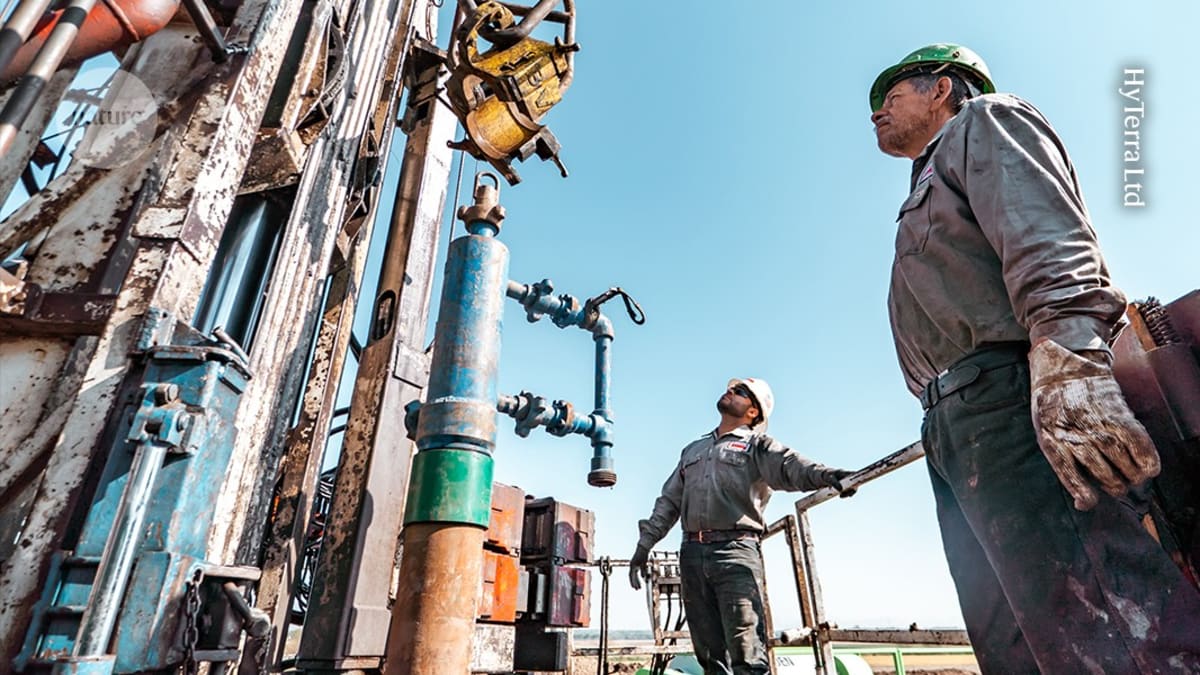
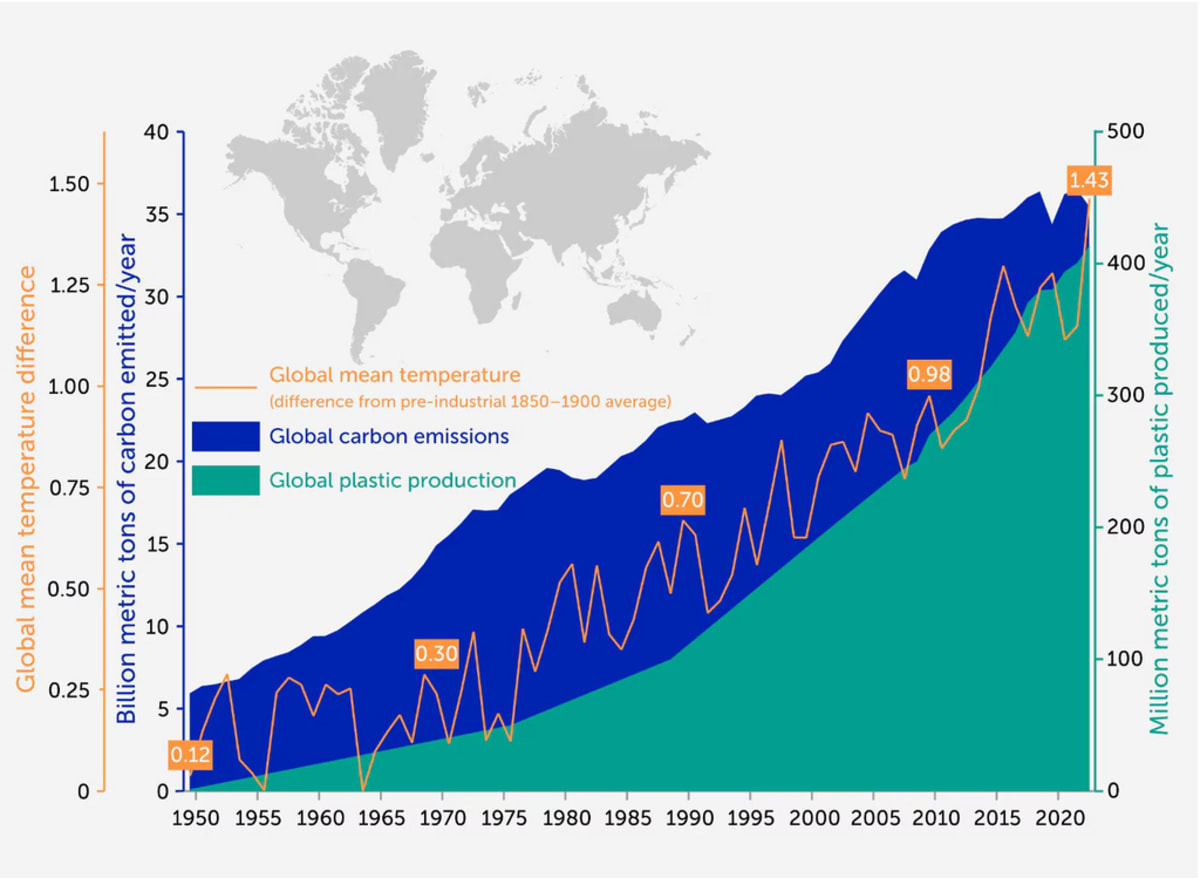
Climate change and plastic pollution both stem from our reliance on fossil fuels. In fact, 99% of all plastic comes from fossil fuels, and by 2030, plastic production alone will consume one in every six barrels of oil. Even more startling: plastics already emit more greenhouse gases than the entire aviation industry.
But here's where it gets really interconnected. As climate change heats the planet and intensifies UV radiation, it speeds up how fast plastics break down into harmful microplastics. Those microplastics become harder to clean up and more toxic to everything they touch. Climate change worsens the plastics crisis, and the plastics crisis worsens climate change.
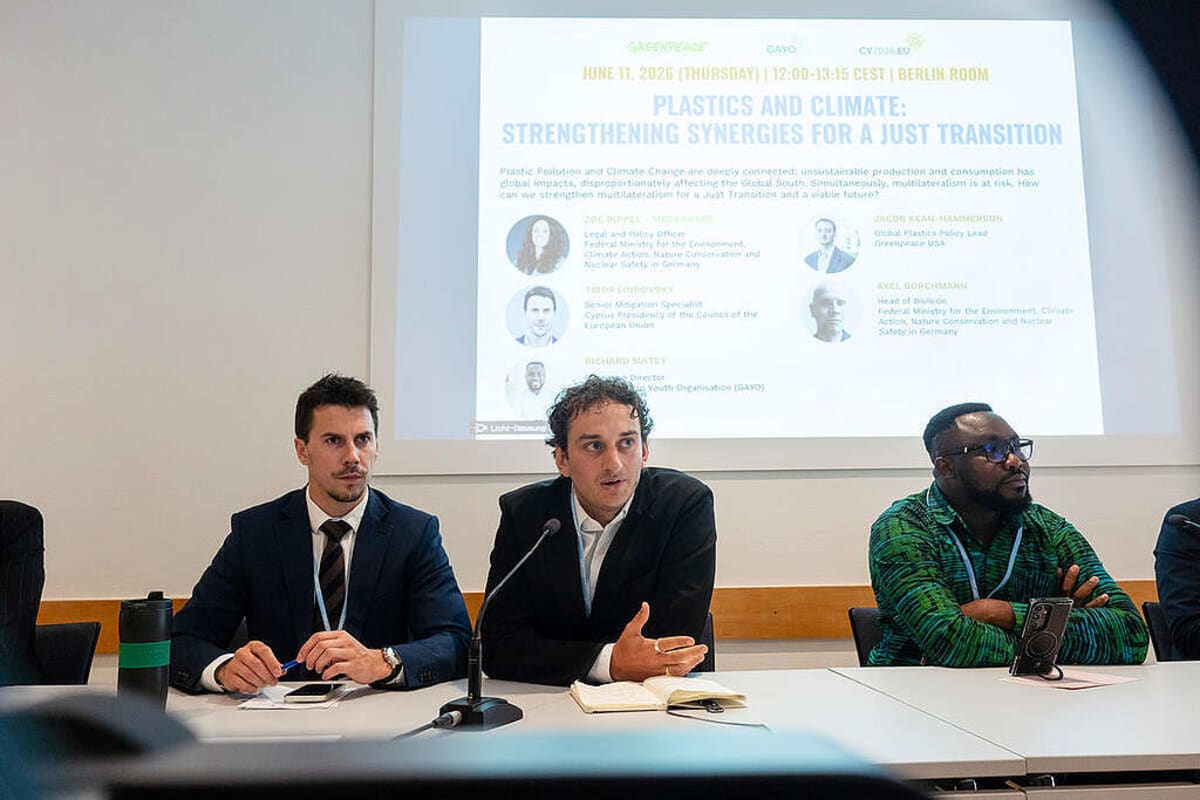
At the Bonn Climate Change Conference in June 2026, Greenpeace brought together governments, scientists and youth organizations for a groundbreaking discussion. Their goal: tackle both crises with unified solutions instead of treating them as separate battles.
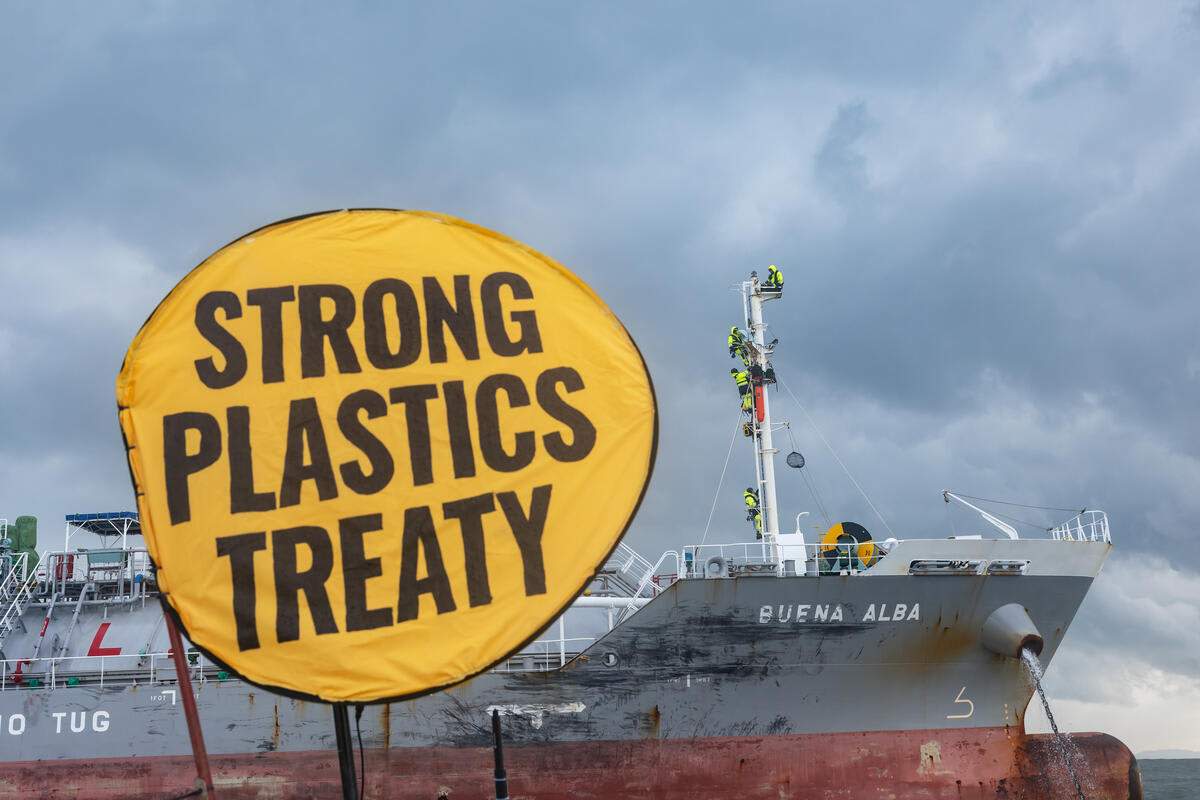
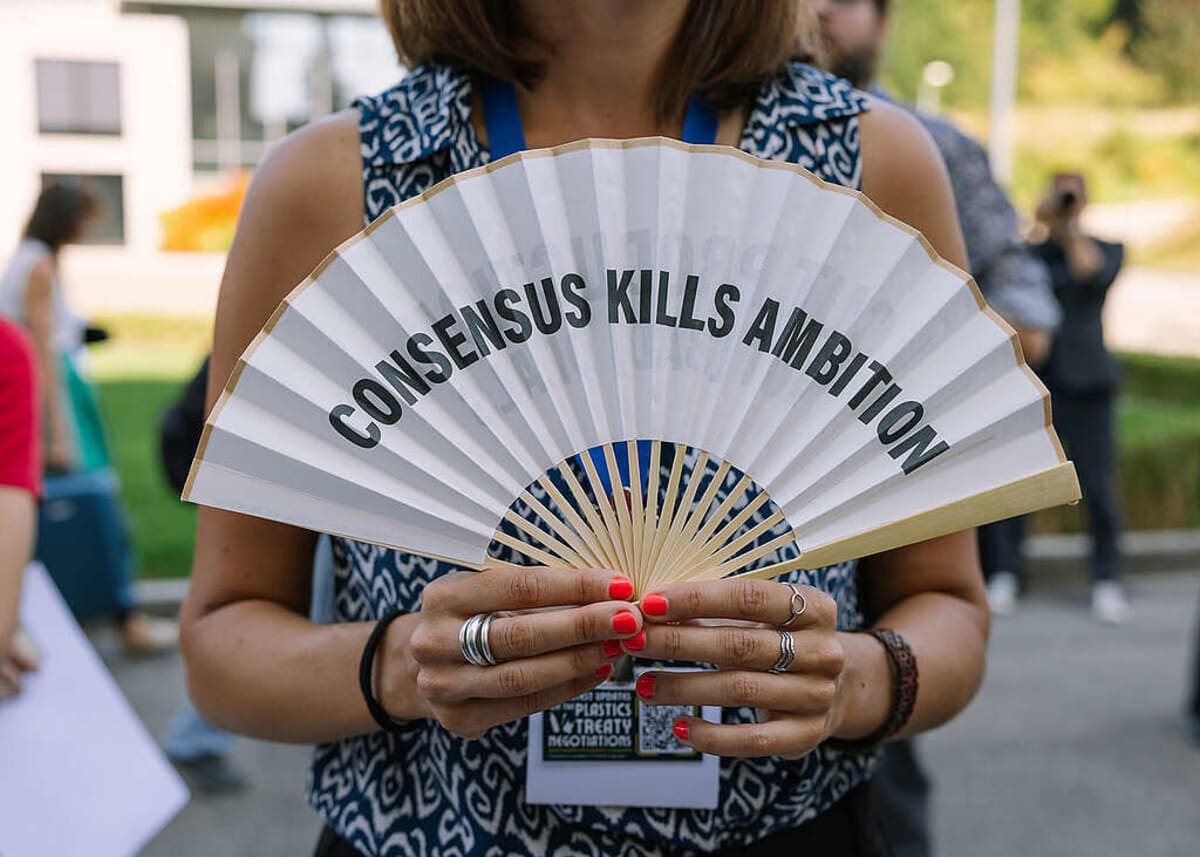
The timing couldn't be better. Final negotiations for a UN Global Plastics Treaty are happening now in South Korea, giving world leaders a rare chance to write binding rules that address the root cause of both problems.
The Bright Side
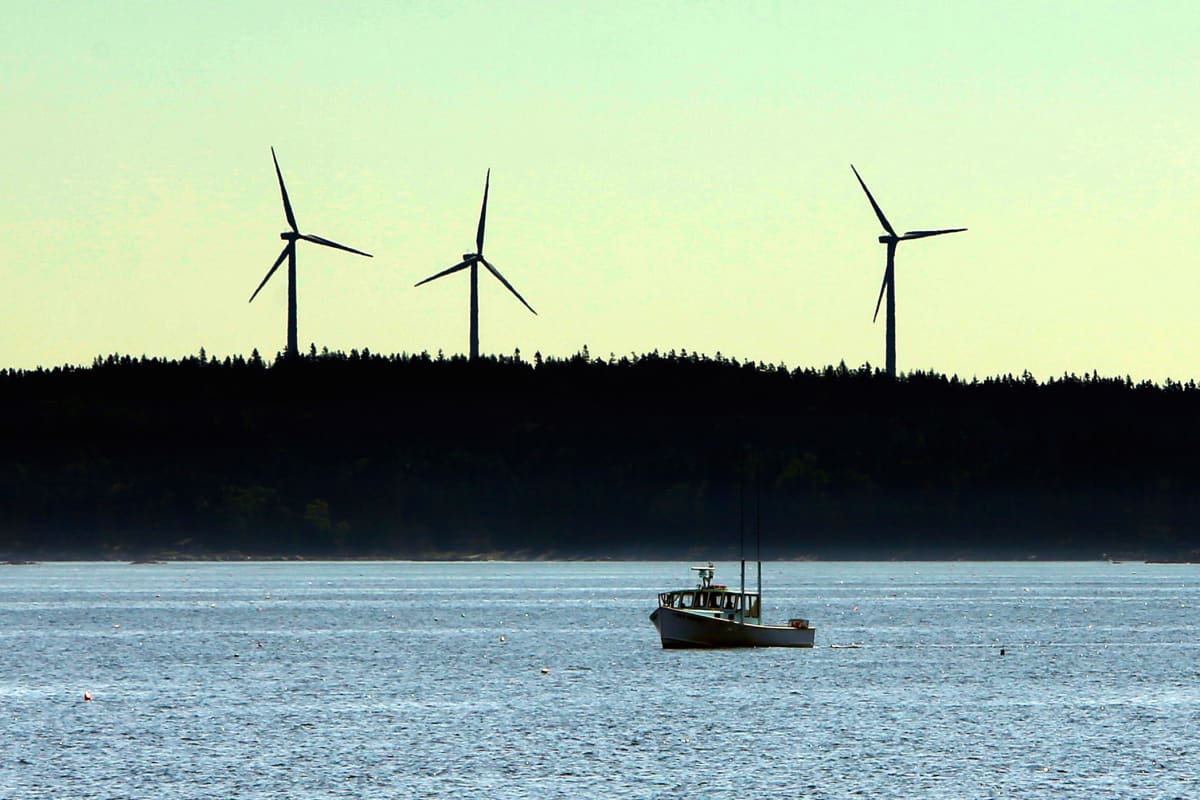
The solutions already exist and they're working beautifully. Denmark now powers 88% of its electrical grid with renewable energy, while Costa Rica hit an astounding 98.6% renewable electricity in 2025. Just ten years ago, these numbers would have seemed impossible.
On the plastics front, research shows that implementing reuse systems and reducing plastic use could virtually eliminate plastic packaging pollution by 2040. The technology is ready. The innovations are happening worldwide. The only missing piece is political will.
This new treaty offers something the climate agreements took 30 years to achieve: the chance to name and limit the actual source of the problem from day one. Instead of just managing waste, it could cut plastic production at the source while funding reuse systems and helping every country transition fairly.
Young activists from Green Africa Youth Organization are proving that global cooperation still works when people demand it.
More Images
Based on reporting by Google: cooperation international
This story was written by BrightWire based on verified news reports.
Spread the positivity!
Share this good news with someone who needs it