Global Poverty Fell 64% Since 1990, Swiss Living for All by 2100?
The number of people in extreme poverty dropped from 2.3 billion to 831 million in just 35 years, and experts say everyone could live like the Swiss by 2100. History shows it's possible if we share the progress fairly.
In 1900, most people lived without electricity, medicine, or education. Today, hundreds of millions have escaped poverty and joined the middle class, proving that bold progress is possible when we work together.
The numbers tell an incredible story. Extreme poverty fell by 64% between 1990 and 2025, lifting 1.5 billion people into better lives. Global economic output quadrupled during that same period, and living standards rose across every region.
Now economists are asking an even bigger question: Can the whole world enjoy Switzerland-level living standards by 2100? The surprising answer is maybe, but only if we make smart choices now.
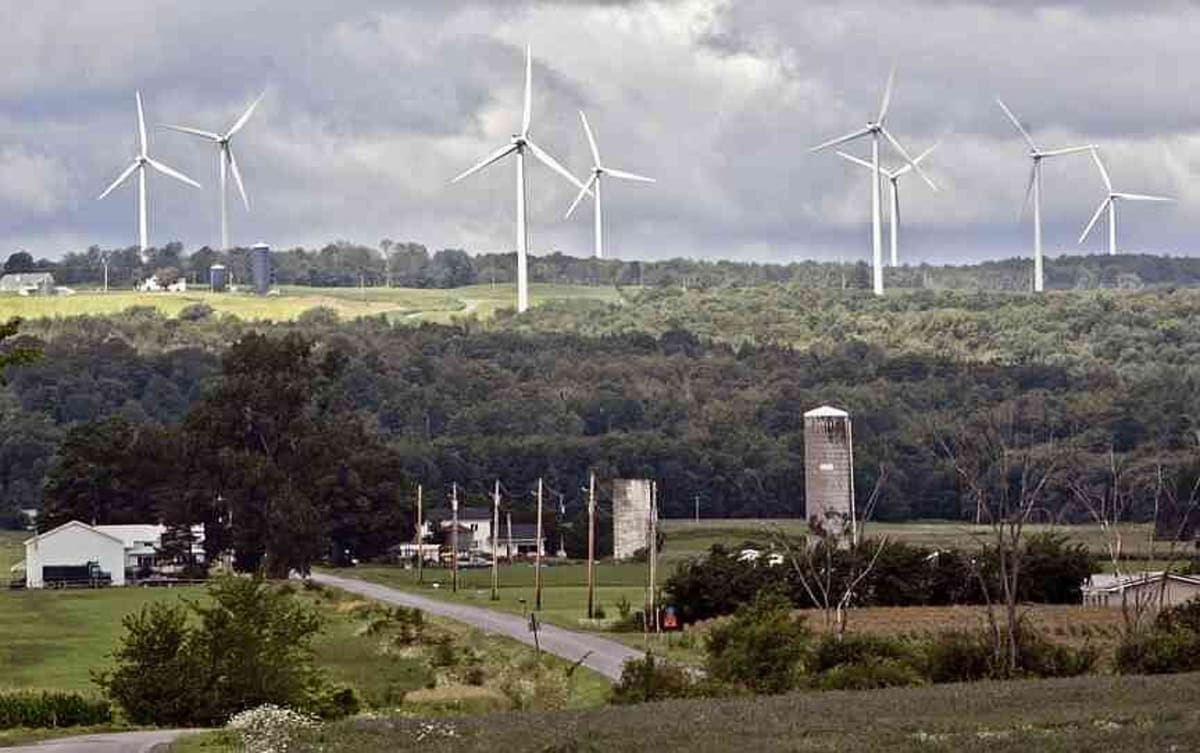
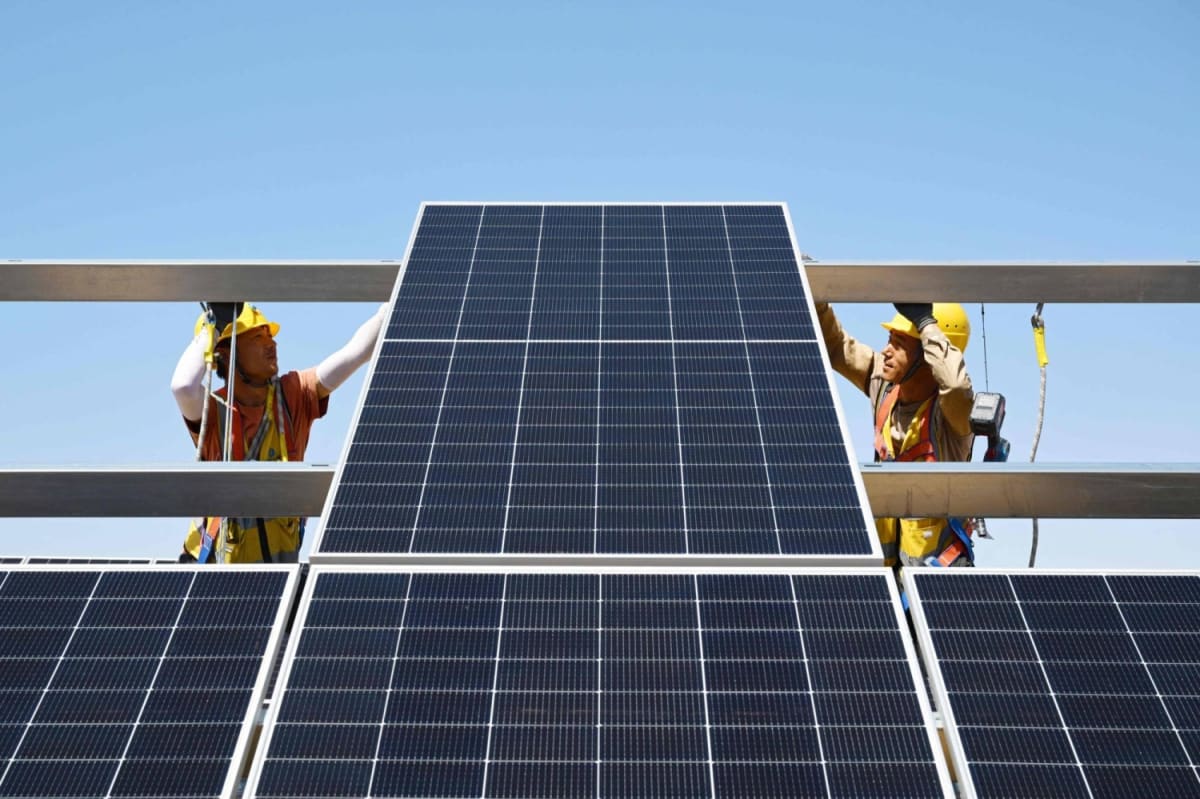
Critics worry that lifting billions more people out of poverty would drain Earth's resources. But the data suggests otherwise. Global energy demand could rise 124% by 2100, a big jump that renewable energy can handle if we speed up solar, wind, and battery deployment.
Food production has already outpaced population growth for decades. New innovations like vertical farming and improved plant breeding promise to feed even more people without destroying forests or farmland.
Technology will help too. Artificial intelligence could boost productivity by nearly 4% by 2075, according to recent analysis. But those gains won't happen automatically. Without good policies, AI might make inequality worse instead of better.
The real challenge isn't resources or technology. It's whether we choose to share progress fairly. People need access to education, healthcare, safe infrastructure, and legal systems that protect everyone equally.
The Ripple Effect
When countries invest in basics like public health and primary education, entire regions transform. East and South Asia proved this over the past 30 years, where robust economic growth pulled hundreds of millions from poverty. Those same strategies can work everywhere if rich countries shift from loans to true partnerships.
Building trust matters as much as building roads. Right now, only one in three people worldwide believe the next generation will live better lives. That doubt comes from watching systems that seem rigged for the wealthy.
But companies still earn public trust, and they can use it wisely. Businesses that decarbonize their supply chains, train workers, and invest in local communities show that profit and progress can go together.
The past century proved that extraordinary improvements happen when people get fair chances and the right tools. Literacy spread. Medicine reached remote villages. Hundreds of millions entered the workforce with dignity.
Switzerland didn't become prosperous overnight, and the whole world won't either. But the same forces that defeated smallpox, connected billions to the internet, and cut extreme poverty by nearly two-thirds are still working today.
The question isn't whether we have enough resources to lift everyone up. History already answered that with a resounding yes.
More Images




Based on reporting by South China Morning Post
This story was written by BrightWire based on verified news reports.
Spread the positivity!
Share this good news with someone who needs it