Global Whaling Ban Saves Great Whales from Extinction
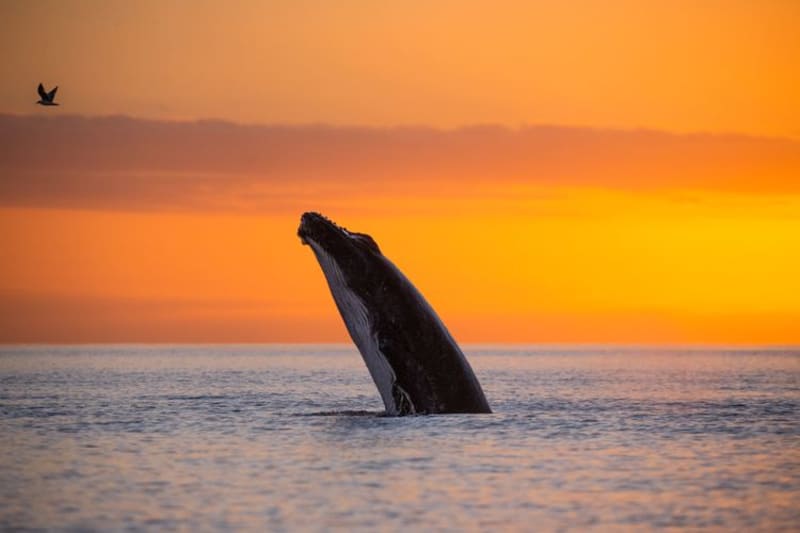
The global ban on commercial whaling just hit its 40th anniversary, and it's credited with saving Earth's largest creatures from disappearing forever. What started as a "whaler's club" of 14 nations has grown into a worldwide conservation force of 88 countries protecting whales and dolphins.
Forty years ago this January, the world made a choice that would save its largest living creatures from vanishing.
The global moratorium on commercial whaling took effect in 1986, following a landmark 1982 vote by the International Whaling Commission. After centuries of hunting pressure that pushed great whales to the brink, nations came together to say enough.
"The ban has literally saved the great whales from extinction, and is one of the most important global conservation measures ever implemented," said Clare Perry, a senior adviser with the Environmental Investigation Agency's ocean campaign. She called it "the defining moment" in the commission's history.
The transformation has been remarkable. The IWC started in 1946 as what Perry describes as a "whaler's club" representing the 14 biggest whaling nations. Today it includes 88 member countries working to protect roughly 90 known species of whales and dolphins.
The timing proved critical. By the 1970s, commercial whaling had already depleted whale populations so severely that some national fleets stopped operating even before the ban passed. The 1982 vote secured the three-quarters majority needed to protect these ocean giants.
While Japan, Norway and Iceland opposed the ban and continued limited whaling operations, the vast majority of nations stopped. Japan even withdrew from the IWC in 2019 after international pressure, ending its controversial Antarctic whaling program.
The Ripple Effect
The moratorium's success extends beyond simply stopping the hunt. It shifted global thinking about whales from resources to be exploited to creatures worthy of protection.
Today, the biggest threats to whales come not from harpoons but from fishing gear and ships. Bycatch and entanglements kill more than 300,000 whales and dolphins every year. Ship strikes claim countless more, especially slower species like humpback whales.
The IWC has evolved with these new challenges, establishing programs to reduce fishing gear entanglements and prevent accidental whale deaths. The commission continues its work from Cambridge, UK, coordinating conservation efforts across the globe.
What started as an emergency intervention 40 years ago has become a blueprint for international conservation success. The whales that swim in our oceans today owe their existence to a moment when the world chose protection over profit.
More Images



Based on reporting by Mongabay
This story was written by BrightWire based on verified news reports.
Spread the positivity!
Share this good news with someone who needs it