GLP-1 Drugs Cut Addiction Risk by 50% in Major Study
Weight loss medications like Ozempic and Mounjaro are showing remarkable promise in fighting addiction to all major substances, from alcohol to opioids. A study of over 600,000 veterans reveals these drugs reduce substance use disorders by blocking the cravings that fuel addiction.
Medications already helping millions lose weight might hold the key to ending addiction across all substances, according to groundbreaking research from Washington University School of Medicine.
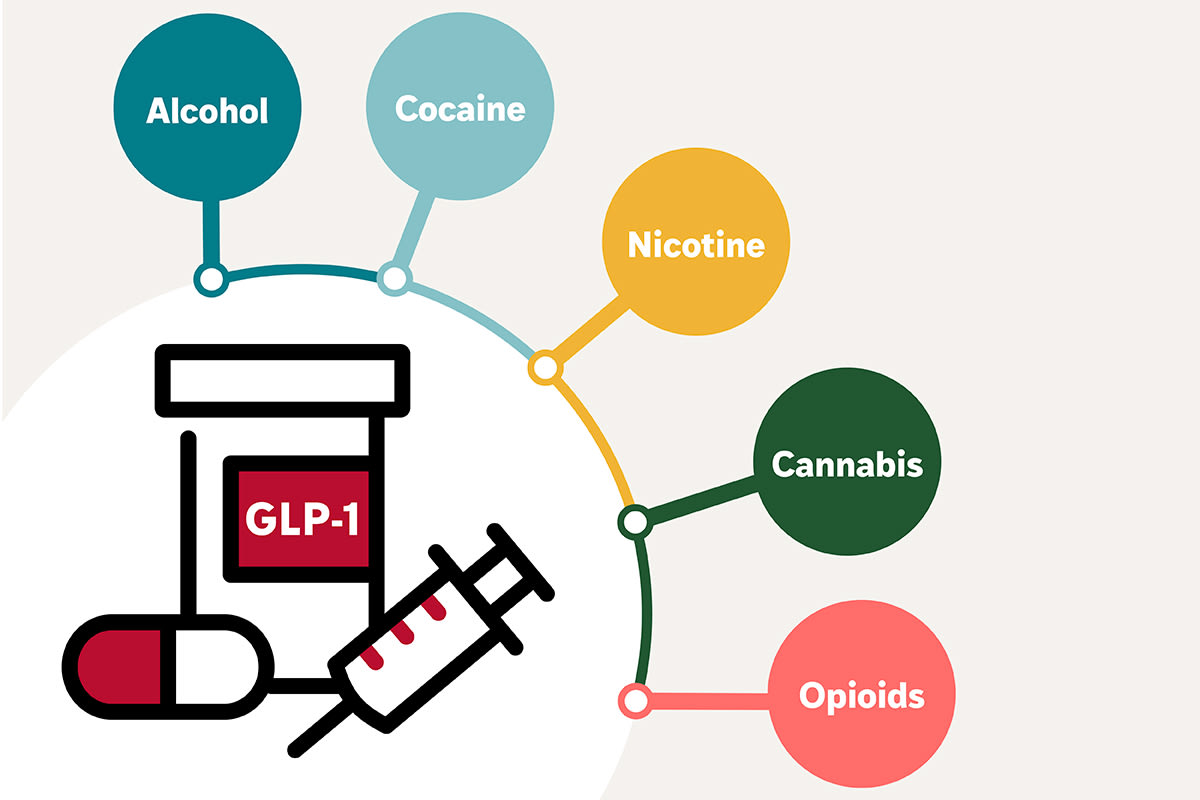
The study tracked more than 600,000 U.S. veterans with diabetes who took GLP-1 medications like semaglutide (Ozempic) or tirzepatide (Mounjaro). Compared to those taking other diabetes drugs, GLP-1 users showed dramatically lower rates of substance use disorders and addiction-related harm.
The numbers tell a powerful story. Among people without prior addiction, GLP-1s reduced the risk of developing substance use disorders by 14% overall. Protection was even stronger for specific substances: 18% fewer alcohol disorders, 20% fewer for cocaine and nicotine, and 25% fewer for opioids.
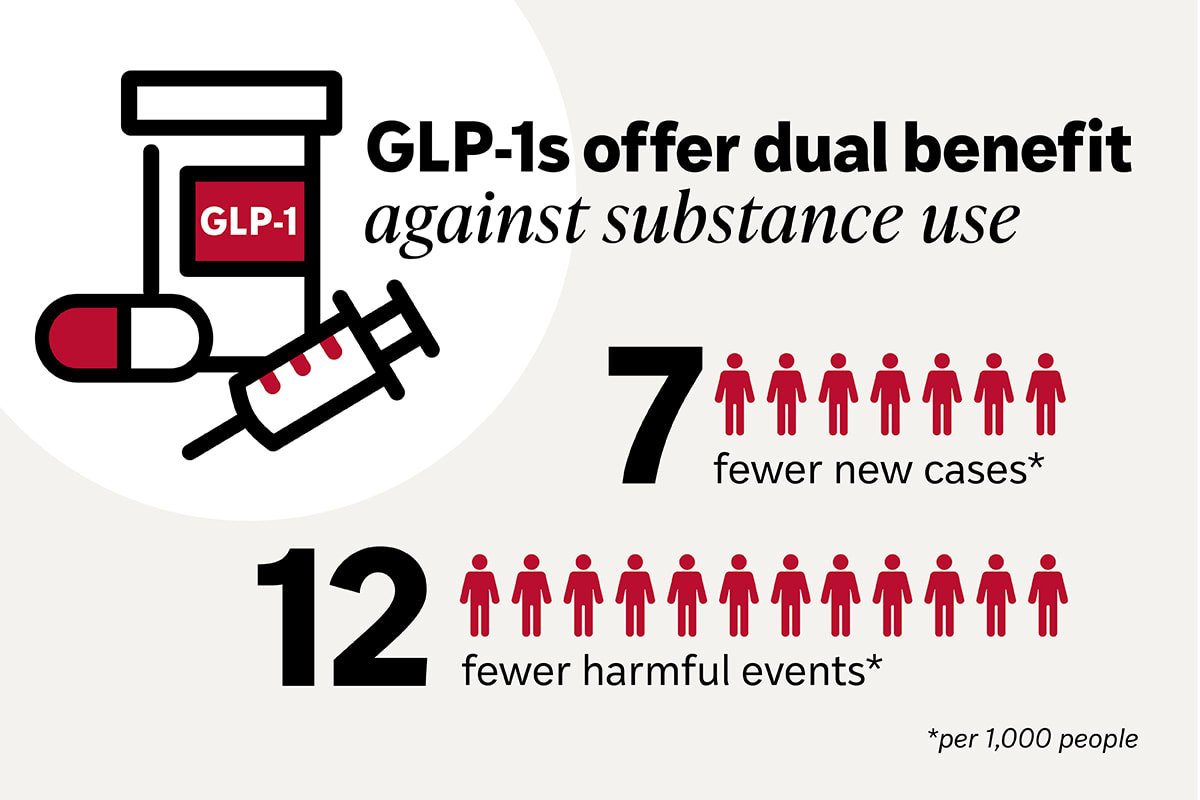
For people already struggling with addiction, the results were even more striking. GLP-1 users experienced 40% fewer overdoses and 50% fewer drug-related deaths over three years. That translates to 12 fewer serious harm events for every 1,000 people taking these medications.
What makes this discovery so remarkable is that it works across all major addictive substances. Current addiction treatments target one thing at a time, like nicotine patches for smoking or methadone for opioid use. No medication has ever shown this kind of universal effect.
Dr. Ziyad Al-Aly, the study's senior author, believes GLP-1s work by quieting the craving itself. These drugs don't target alcohol or opioids specifically. Instead, they appear to calm the persistent pull toward whatever someone is addicted to, whether that's food, drugs, or alcohol.
The connection makes biological sense. GLP-1 receptors exist in brain regions that control reward processing. Patients taking these medications for weight loss often describe a quieting of "food noise," the constant thoughts about eating that drive overeating.
Why This Inspires
This discovery offers hope to millions struggling with addiction, especially for substances like methamphetamine that have no approved medical treatment. One medication could potentially treat multiple addictions at once, removing a major barrier to recovery.
The timing couldn't be better. With millions of Americans already taking GLP-1 medications and use rapidly expanding, these protective effects could prevent countless new cases of addiction and save lives at a population level.
The findings also open doors for people managing multiple conditions simultaneously. Someone with diabetes and alcohol use disorder could treat both with a single medication, simplifying their care and improving their chances of success.
Researchers are calling for clinical trials to test GLP-1s as standalone addiction treatments, with special focus on measuring effects on overdose and death. If the results hold up, we may be looking at the first truly universal tool in the fight against addiction.
The same drugs helping people quiet their thoughts about food might soon help silence the relentless cravings that trap millions in the cycle of addiction.
More Images
Based on reporting by Google News - Researchers Find
This story was written by BrightWire based on verified news reports.
Spread the positivity!
Share this good news with someone who needs it
.jpg%3Ftrim%3D381%2C760%2C3083%2C699%26width%3D1200%26height%3D800%26crop%3D1200%3A800)