GLP-1 Drugs Cut Cancer Spread Risk by 50% in New Study
Diabetes medications like Ozempic and Wegovy may help stop cancer from spreading, according to groundbreaking research tracking over 10,000 cancer patients. The study found these drugs reduced the risk of cancer progression by up to 50% for certain tumor types.
Medications already helping millions manage diabetes and weight loss might have an unexpected superpower: fighting cancer.
New research presented at the American Society of Clinical Oncology's annual meeting shows that GLP-1 drugs like Ozempic, Wegovy, and Zepbound may significantly reduce the risk of cancer spreading. The findings offer hope to the millions of Americans living with both cancer and metabolic conditions.
Dr. Mark Orland from Cleveland Clinic led the study, analyzing records from more than 10,000 people diagnosed with seven different cancer types. All participants had stage 1, 2, or 3 cancer and started taking a GLP-1 drug after their diagnosis.
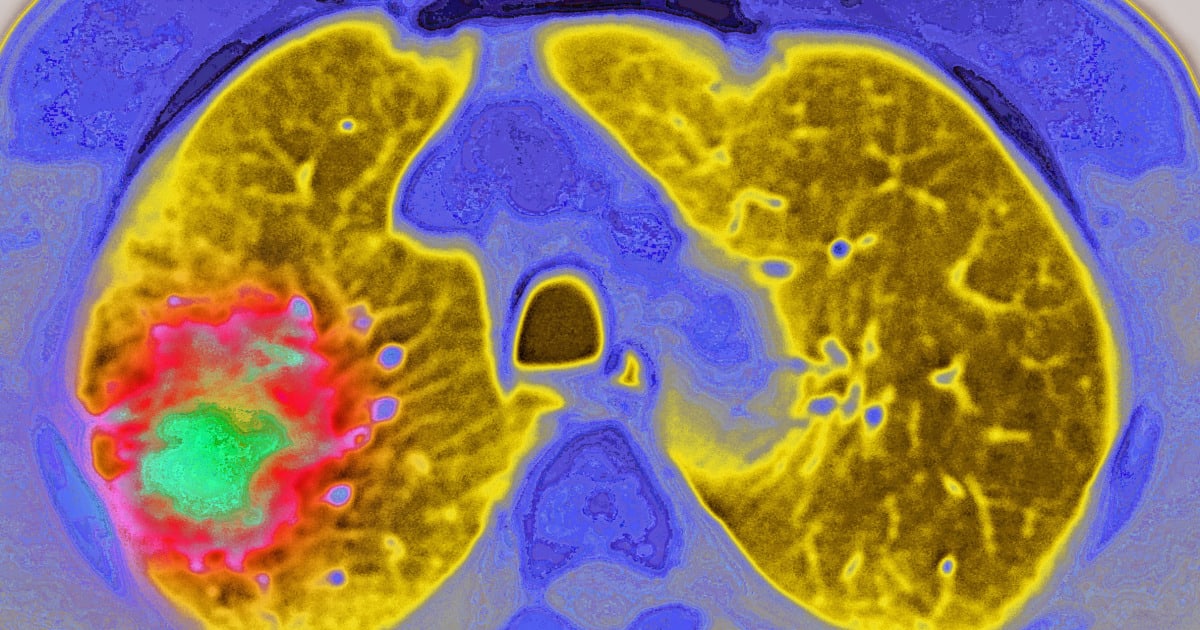
The results were striking. Patients taking GLP-1 medications were less likely to see their tumors metastasize compared to those taking a different diabetes drug. For lung cancer patients, the reduction was 50%. For breast cancer, it was 43%.
The benefits showed up across multiple cancer types. Four cancers showed statistically significant improvements: non-small cell lung cancer, breast cancer, colorectal cancer, and liver cancer.
Researchers discovered an intriguing clue about why this might work. Tumors with more GLP-1 receptors responded better to the drugs, suggesting the medications may directly interfere with cancer cells' ability to spread and grow.
Dr. Kelvin Lee from Indiana University's cancer center explained that targeting these receptors could disrupt communication between cancer cells. The drugs might also cut off tumors' energy supply by interfering with how cells convert glucose into fuel.
But there's likely more happening beneath the surface. The medications appear to work a double shift, attacking both tumor cells and their surrounding environment. They may boost the immune system's cancer-fighting T-cells while reducing inflammation that helps tumors thrive.
The Bright Side
This research adds to a growing list of benefits scientists keep discovering with GLP-1 drugs. Beyond treating diabetes and obesity, these medications have already earned approval for reducing heart disease risk, preventing kidney disease progression, and treating sleep apnea.
The study doesn't prove cause and effect yet. Randomized clinical trials will be needed to confirm these anti-cancer properties. But the safety signal is clear: people undergoing cancer treatment can safely use these medications for their approved purposes.
Dr. William Troy Donahoo from the University of Florida, who researched GLP-1s and cancer risk last year, believes the drug itself deserves credit for these benefits. The effects appear to go beyond simply managing diabetes or weight.
Even if future studies confirm the anti-cancer effects, experts say GLP-1 drugs won't replace traditional cancer treatments. Instead, they might become valuable tools in the broader fight against cancer progression.
The most important message for patients right now? These widely-used medications appear safe during cancer treatment and may offer unexpected protective benefits while managing other health conditions.
More Images


Based on reporting by Google News - Health
This story was written by BrightWire based on verified news reports.
Spread the positivity!
Share this good news with someone who needs it