GLP-1 Drugs Fight Inflammation Beyond Weight Loss
Ozempic and similar medications may heal arthritis, liver disease, and more by resetting the immune system, not just through weight loss. Scientists are discovering these drugs work throughout the body to reduce harmful inflammation while keeping infection-fighting power strong.
Patients taking Ozempic and Zepbound are reporting something unexpected: their arthritis feels better, their digestive issues improve, and inflammation throughout their bodies seems to calm down.
Scientists now believe these popular medications do far more than help people lose weight. Research shows they may be resetting the immune system itself, offering hope for treating dozens of inflammatory conditions.
When the immune system malfunctions, it can trigger harmful inflammation in response to normal things like cholesterol or blood sugar. Traditional treatments that suppress the immune system come with a dangerous trade-off: they leave people vulnerable to infections.
GLP-1 drugs appear to solve this problem differently. Studies show semaglutide (the active ingredient in Ozempic) reduces inflammation markers by 40 percent independent of weight loss. At the same time, people taking these drugs actually have lower infection rates, not higher ones.
"The immune system gets ramped up where it shouldn't," explains Dr. Marc Bonaca, a cardiologist at the University of Colorado. These drugs seem to calibrate the system back to normal rather than just shutting it down.
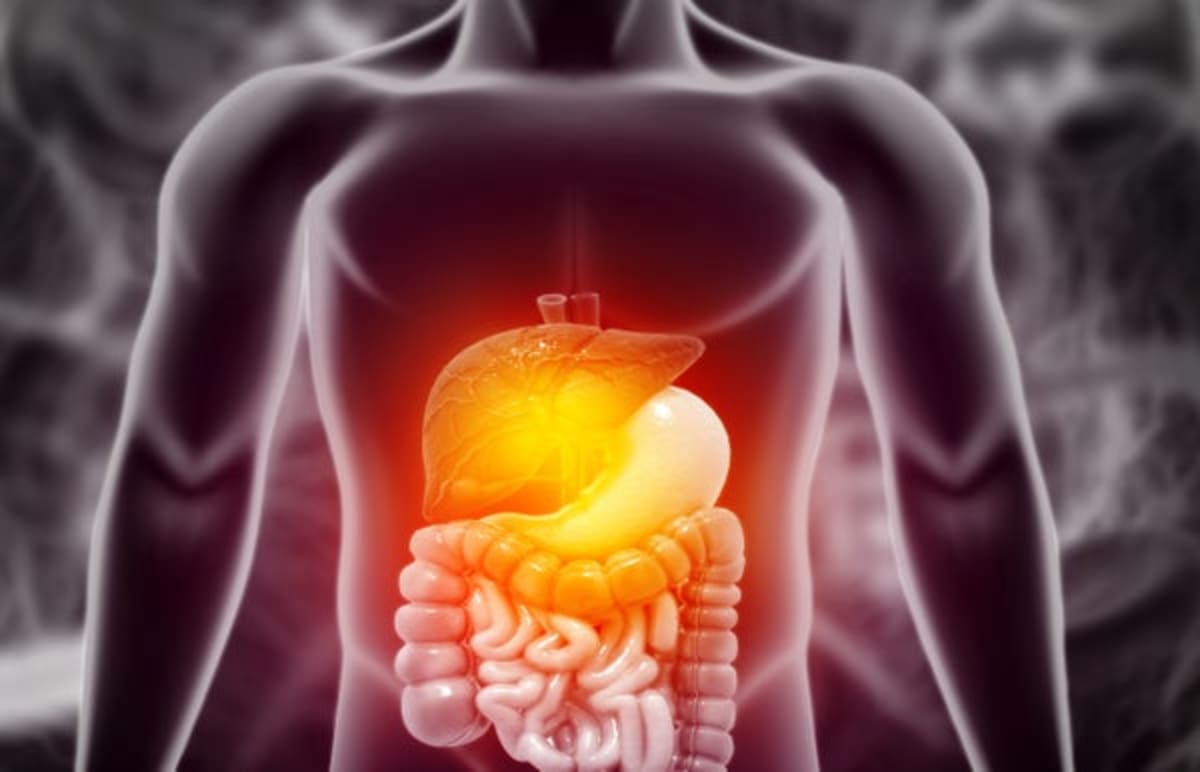
Dr. Daniel Drucker's team at the University of Toronto recently discovered how this works in the liver. The drugs activate rare specialized cells that act as gatekeepers between the gut and liver. When activated, these cells release proteins that turn on other cells throughout the organ.
This orchestrated response reduces fat buildup, lowers inflammation, and even reverses scarring in severe liver disease. The FDA approved semaglutide for liver disease last year after clinical trials showed it could resolve a condition that previously had no proven treatment.
The drugs work this way throughout the body because GLP-1 receptors exist in many organs: the heart, blood vessels, kidneys, and brain. Each location benefits from the same inflammation-calming effect.
The Ripple Effect
This discovery could transform treatment for conditions far beyond diabetes and obesity. People with Crohn's disease, colitis, and various forms of arthritis are already reporting improvements. Researchers are now designing trials to test GLP-1 drugs for autoimmune conditions, cardiovascular inflammation, and neurodegenerative diseases.
The breakthrough matters because chronic inflammation drives many of our most common and debilitating health problems. A single medication that can address the root cause across multiple organs represents a rare medical advance.
For patients who've struggled with painful inflammatory conditions for years, these findings offer something precious: validated hope backed by solid science.
More Images



Based on reporting by Scientific American
This story was written by BrightWire based on verified news reports.
Spread the positivity!
Share this good news with someone who needs it