GLP-1 Drugs May Quiet Addiction Cravings in the Brain
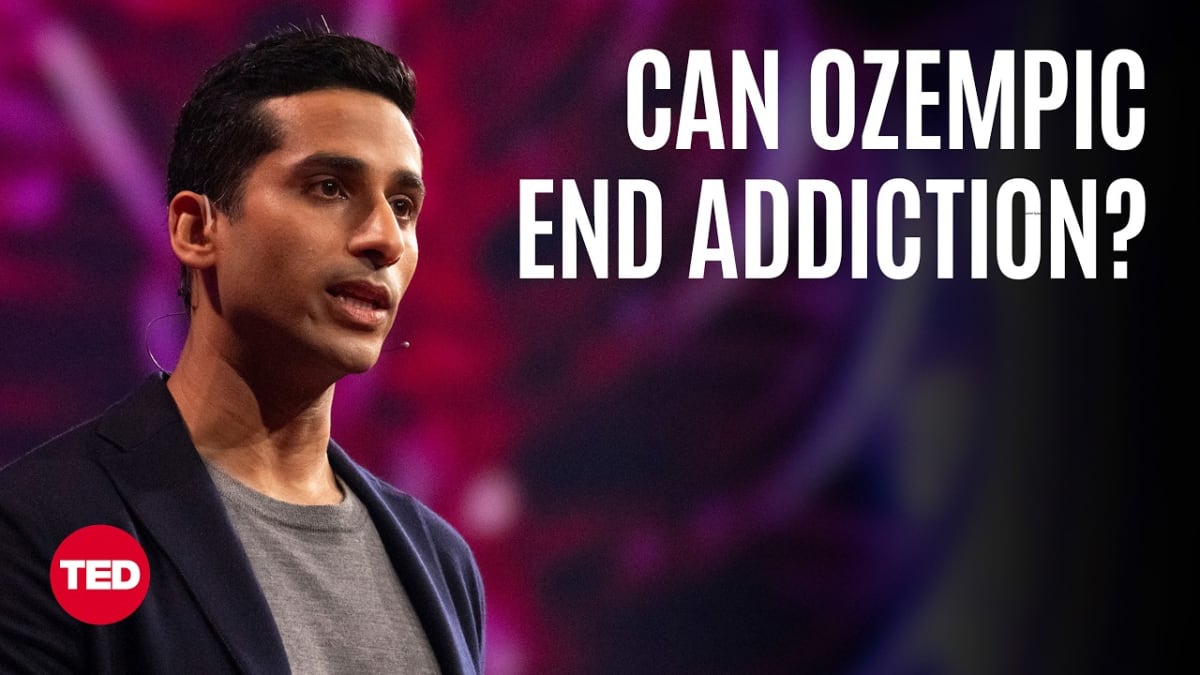
Medications like Ozempic, originally designed for diabetes, are showing unexpected promise in treating addiction by reducing cravings in the brain. Physician Dhruv Khullar explores how these "moderation molecules" could help millions struggling with substance abuse. #
Scientists discovered something remarkable hiding in Gila monster saliva: a molecule that might help people break free from addiction.
GLP-1 medications like Ozempic and Wegovy became famous for helping people lose weight, but researchers are now uncovering their most surprising benefit yet. These drugs appear to quiet the relentless noise of craving in the brain, offering hope for treating addiction to everything from alcohol to opioids.
Physician Dhruv Khullar recently traced the unexpected journey of these "moderation molecules" in a TED talk. What started as a curiosity about lizard venom led to diabetes treatments, then weight loss medications, and now a potential breakthrough in addiction medicine.
The key lies not in the gut, where these drugs were designed to work, but in the brain. GLP-1 receptors exist throughout our neural pathways, particularly in regions that control reward and craving. When activated, they seem to turn down the volume on compulsive desires.
Early research and patient reports suggest people taking these medications naturally lose interest in behaviors they once felt powerless to stop. Some describe finally experiencing what "moderation" feels like after years of all-or-nothing thinking.
The implications stretch far beyond weight management. With addiction affecting over 46 million Americans and claiming hundreds of thousands of lives annually through overdoses, any new treatment avenue represents genuine hope for families and communities devastated by substance abuse.
Why This Inspires
This discovery reminds us that scientific breakthroughs often come from unexpected places. A molecule from desert lizard saliva is now opening doors to help people reclaim their lives from addiction.
The research also validates what people struggling with addiction have long known: cravings aren't just about willpower. They're biological signals that might finally be addressable with targeted treatment, reducing stigma and increasing compassion.
Most importantly, this represents real progress on one of humanity's oldest struggles. For the first time, we may have medications that address the root cause of addictive behavior rather than just managing symptoms.
Clinical trials are now underway to formally test GLP-1 drugs for addiction treatment. If results confirm early observations, millions of people could access a new tool in their recovery journey, one that helps create the mental quiet needed for healing.
Science continues proving that hope and innovation often arrive from the most surprising directions.
#
Based on reporting by TED
This story was written by BrightWire based on verified news reports.
Spread the positivity!
Share this good news with someone who needs it