GM Cuts Car Design Testing Time From 15 Hours to 1 Minute
General Motors is using AI to slash engineering testing from overnight processes to under a minute. The breakthrough is transforming how America's largest automaker designs safer, better vehicles.
Car engineers used to set up computer tests before bed and hope nothing crashed overnight. Now they're getting answers in 60 seconds.
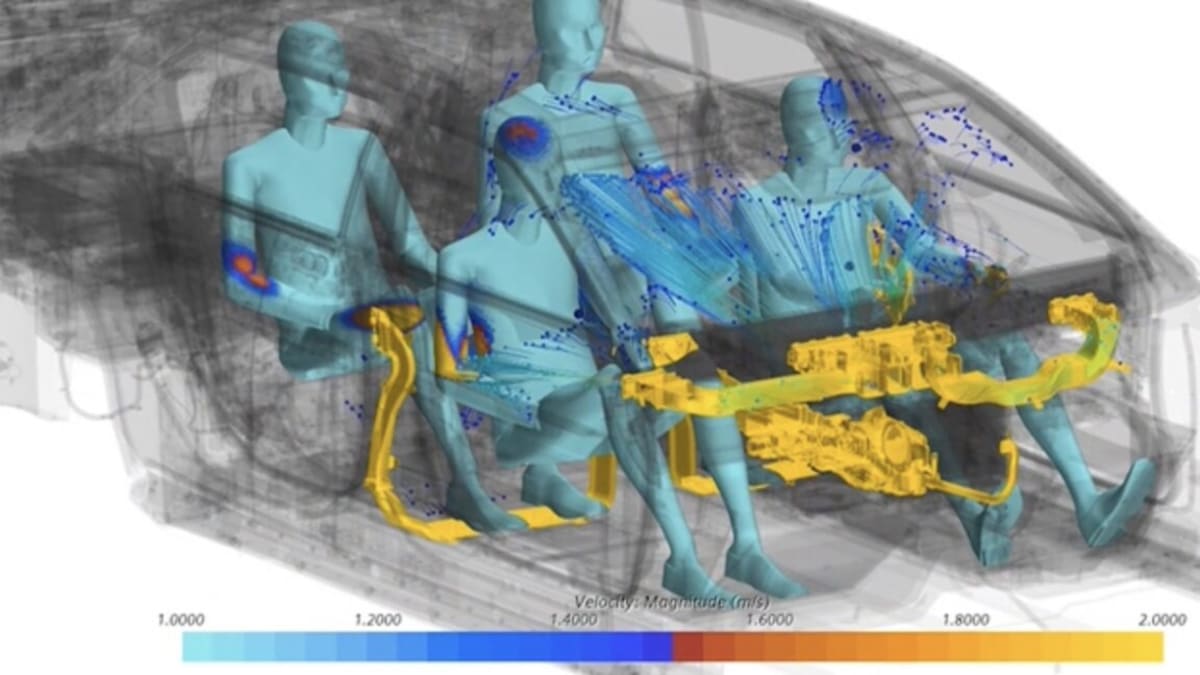
General Motors just revealed how artificial intelligence is revolutionizing the way they build vehicles. Tests that once took 15 hours now complete in one minute, letting engineers run thousands of design experiments in the time it used to take for one.
Sterling Anderson, GM's chief product officer, calls this the third age of engineering. The first age was trial and error, like early inventors copying bird wings to build flying machines. The second brought computers that could simulate wind tunnels and crash tests, speeding things up but still taking hours or days.
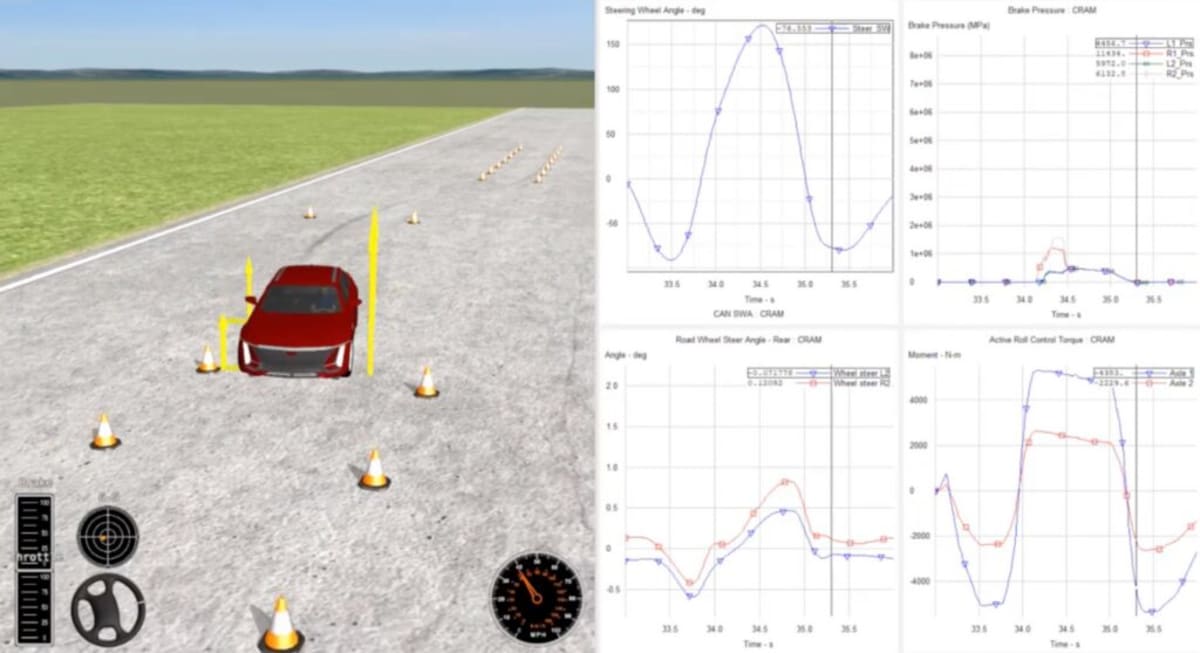
Now AI collapses all those separate steps into one unified system. Engineers can test how a car handles emergency swerves, optimize battery performance, and check if thousands of electronic parts work together, all in a virtual world before building a single physical prototype.
The speed difference is staggering. Structural tests that needed overnight processing now finish during a coffee break. That means engineers can explore far more design possibilities, making vehicles safer and more efficient than ever before.
GM isn't keeping this technology locked in one department. Their NASCAR and Formula One racing teams co-develop these tools with production engineers, holding monthly meetings to share breakthroughs. When one team invents something faster, everyone benefits.
Jason Fischer, GM's executive director of virtual integration engineering, explains they can now test Consumer Reports' obstacle avoidance scenarios entirely in simulation. Every sensor, computer chip, and control system gets modeled together, letting them perfect the vehicle's behavior before manufacturing begins.
Why This Inspires
This isn't just about faster cars or cheaper production. It's about democratizing innovation at massive scale. When testing speeds up by 900 times, engineers get to try wild ideas they never had time for before. That means breakthrough safety features, better fuel economy, and vehicles designed for real people in real situations.
The ripple effects extend beyond passenger cars. GM is using these same tools for their battery development, defense projects, and even their lunar rover program. Technologies developed for race cars on Sunday are improving the minivan you'll drive on Monday.
What once required specialized experts running calculations for days can now be explored by any engineer with a good idea and one spare minute.
More Images



Based on reporting by Ars Technica
This story was written by BrightWire based on verified news reports.
Spread the positivity!
Share this good news with someone who needs it