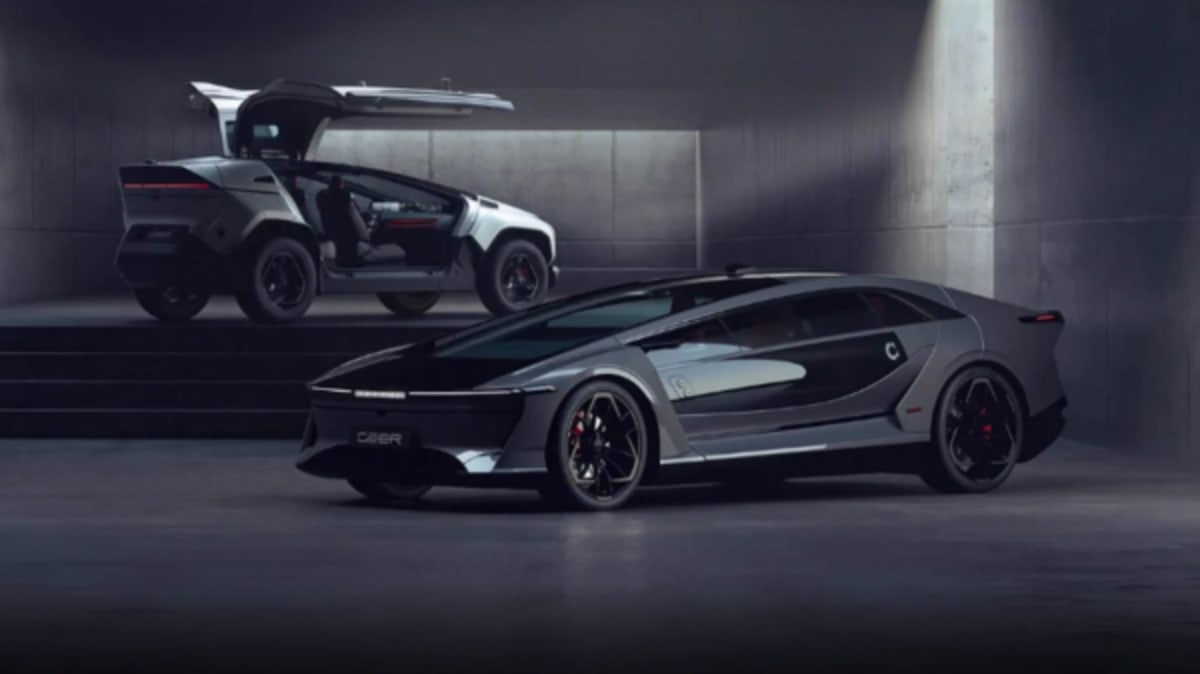
GM Eyes Silicon Battery Tech to Double EV Range to 574 Miles
General Motors is betting on silicon battery technology that could nearly double electric vehicle range and slash charging times. The near-term upgrade could make EVs more practical for daily drivers and road trippers alike.
Electric vehicles might be about to get a whole lot better, and the breakthrough could arrive sooner than anyone expected.
General Motors announced last week that silicon anodes, not the long-hyped solid-state batteries, will likely power the next generation of EVs. The technology could push driving range from a typical 310 miles to an impressive 574 miles on a single charge.
At the GM Empower event in San Francisco, Kurt Kelty, the company's vice president of battery and sustainability, made the case clear. "We believe silicon is the next anode technology," he told InsideEVs.
The timing matters because solid-state batteries won't reach mass production until later this decade. Silicon anodes, meanwhile, are already showing up in real cars today.
Mercedes-Benz installed silicon anodes in its new AMG GT, and the results are striking. The car charges from 10% to 80% in just 11 minutes at peak rate.
Most EV batteries today use graphite anodes, which creates two problems. Mining graphite raises environmental concerns, and the supply chain depends heavily on China.
Silicon offers a cleaner path forward. Battery makers can swap silicon for graphite while keeping the familiar lithium-ion architecture that factories already know how to build.
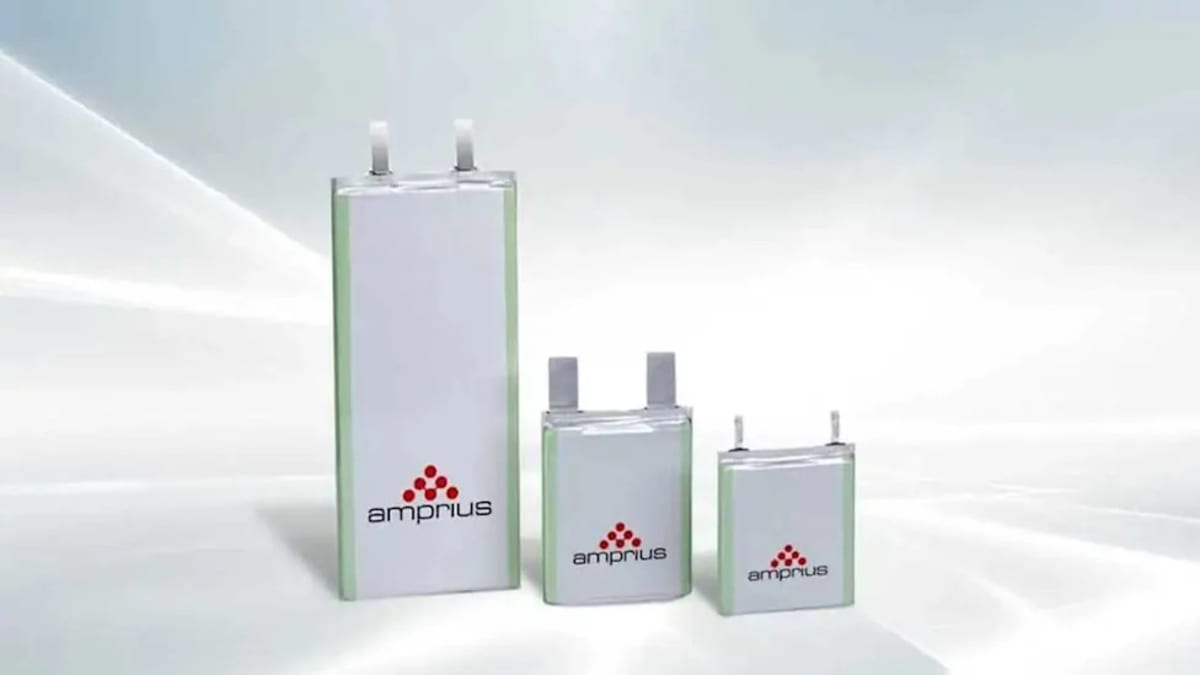
California startup Amprius Technologies has tested silicon anode batteries that extend a standard 310-mile battery pack to 574 miles. Sila, another company working on the technology, says its high-silicon anodes increase range by 20% without making the battery pack any larger.
The Ripple Effect
The improvements ripple out in practical ways that touch daily life. Delivery drivers could stay on the road longer between charging stops. Families on road trips would spend less time waiting at charging stations.
The technology also helps people who can't charge at home every night. Longer range means fewer "just in case" charging sessions and more flexibility in how and when drivers power up.
Manufacturing is already scaling up to meet demand. Group14 operates a silicon-anode battery materials facility in South Korea. Sila's Moses Lake, Washington plant is producing materials for up to 50,000 EVs per year, with room to expand significantly.
If production costs drop as factories grow, silicon anodes could move beyond luxury performance cars into affordable models that everyday drivers can actually buy.
GM is keeping its options open on battery technology. Kelty said the company is working on solid-state prototypes too, noting "we need to know what the latest and greatest is."
The road to better batteries is getting clearer, and it might arrive faster than anyone imagined.
More Images
Based on reporting by Google News - Electric Vehicle
This story was written by BrightWire based on verified news reports.
Spread the positivity!
Share this good news with someone who needs it