GM Saves $3M Turning Old EV Batteries Into Plant Power
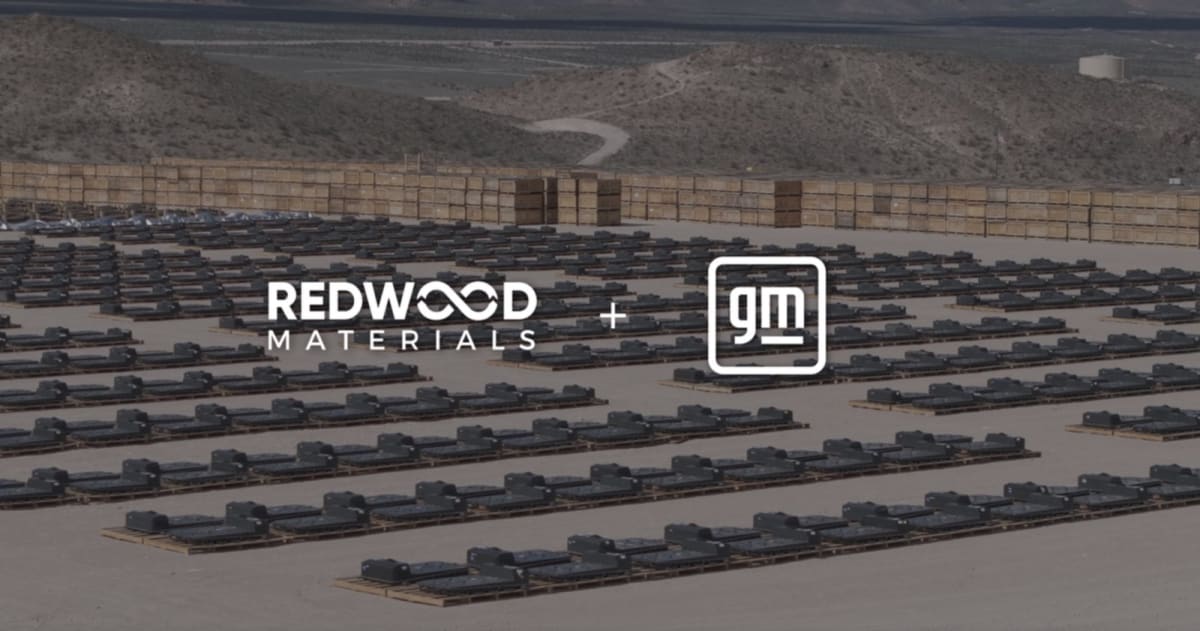
General Motors is turning 100 retired electric vehicle batteries into a massive storage system that will cut electricity costs by over $3 million at its Michigan factory. It's the first automaker to partner with battery recycler Redwood Materials across every stage of a battery's life, from factory scraps to second-life power.
What if the battery pack that powered your road trip could someday power the factory that built your next car? General Motors just made that circular dream a reality.
GM announced this week it's installing a 7.2 megawatt-hour energy storage system at a Michigan manufacturing plant, built entirely from roughly 100 repurposed battery packs from its electric vehicles. The system will slash the plant's electricity costs by more than $3 million over its lifetime.
This marks a historic first. GM is now the only automaker working with Redwood Materials, the battery recycling company founded by Tesla co-founder JB Straubel, across all three stages of battery life: recovering manufacturing scraps, recycling end-of-life packs, and deploying second-life energy storage.
The numbers behind the partnership are staggering. Redwood has already received over 28,000 metric tons of battery material from GM for recycling, with another 10,000 EV packs in the pipeline for repurposing into storage systems.
The timing couldn't be better. As America's first wave of electric vehicles ages out, automakers face a looming question: what happens to all those batteries? GM's answer turns a potential waste problem into a profitable solution.
Redwood is proving the concept works at scale. The company operates a 63 megawatt-hour system at its Nevada campus built from 792 second-life EV packs, which has maintained 99.2% uptime over seven months while powering AI data centers. Rivian installed a similar system at its Illinois factory in April.
The Ripple Effect
This partnership creates a closed loop that benefits everyone. GM gets cheaper electricity, a disposal pathway for aging batteries, and recovered materials that feed back into new battery production. Factory workers benefit from lower operating costs. The environment wins because valuable materials stay in circulation instead of mining new ones.
The second-life battery storage market is exploding, projected to grow from about 25 gigawatt-hours this year to 350 gigawatt-hours by 2030. That's enough storage capacity to power millions of homes during peak demand or emergencies.
With competitor Ascend Elements filing for bankruptcy in April after raising over $1 billion, Redwood has become the clear domestic leader in battery recycling and repurposing. The company reached a $6 billion valuation last year and is systematically partnering with major automakers to secure its supply of used batteries.
For GM, this is about more than one Michigan plant. It's a blueprint for turning every factory into a mini power station, storing cheap electricity when rates are low and using it when prices spike.
The best part? Those batteries get a second career saving money and supporting the grid long before they need recycling, proving that the end of the road is really just the beginning of a new journey.
More Images


Based on reporting by Electrek
This story was written by BrightWire based on verified news reports.
Spread the positivity!
Share this good news with someone who needs it