GM's 250,000 EVs Can Now Power Homes and Energy Grids
A quarter million GM electric vehicles on American roads just gained a game-changing ability: their batteries can now power homes during outages and feed electricity back to the grid, potentially earning their owners money. The automaker rolled out software this week that transforms these cars into mobile power stations.
Your electric car might soon pay you back for buying it.
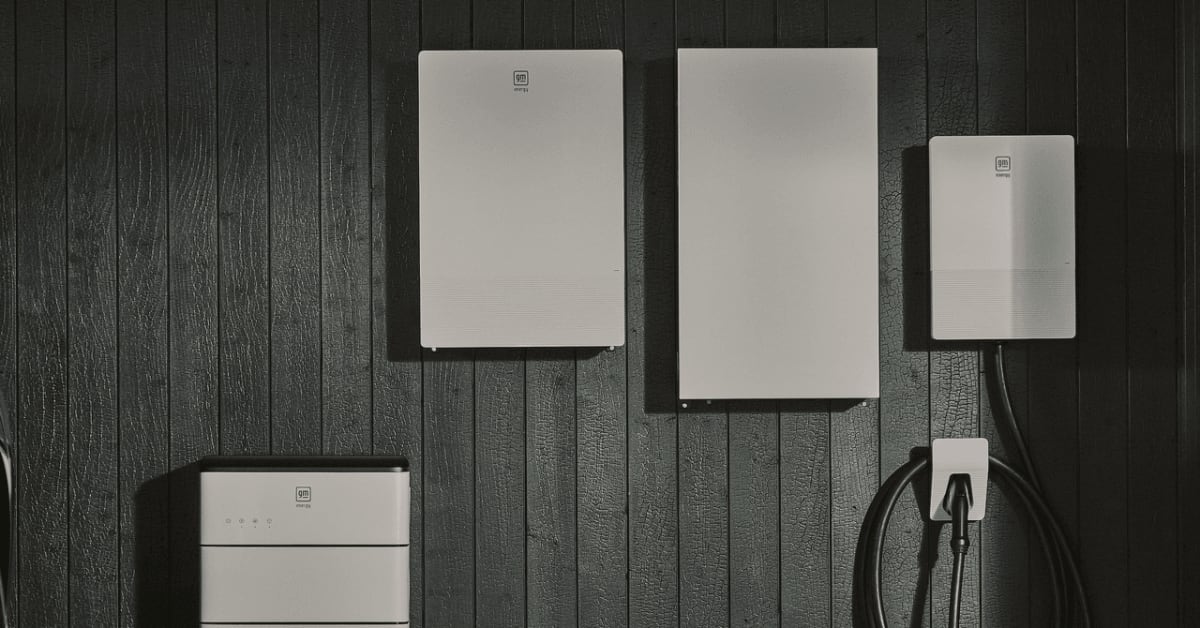
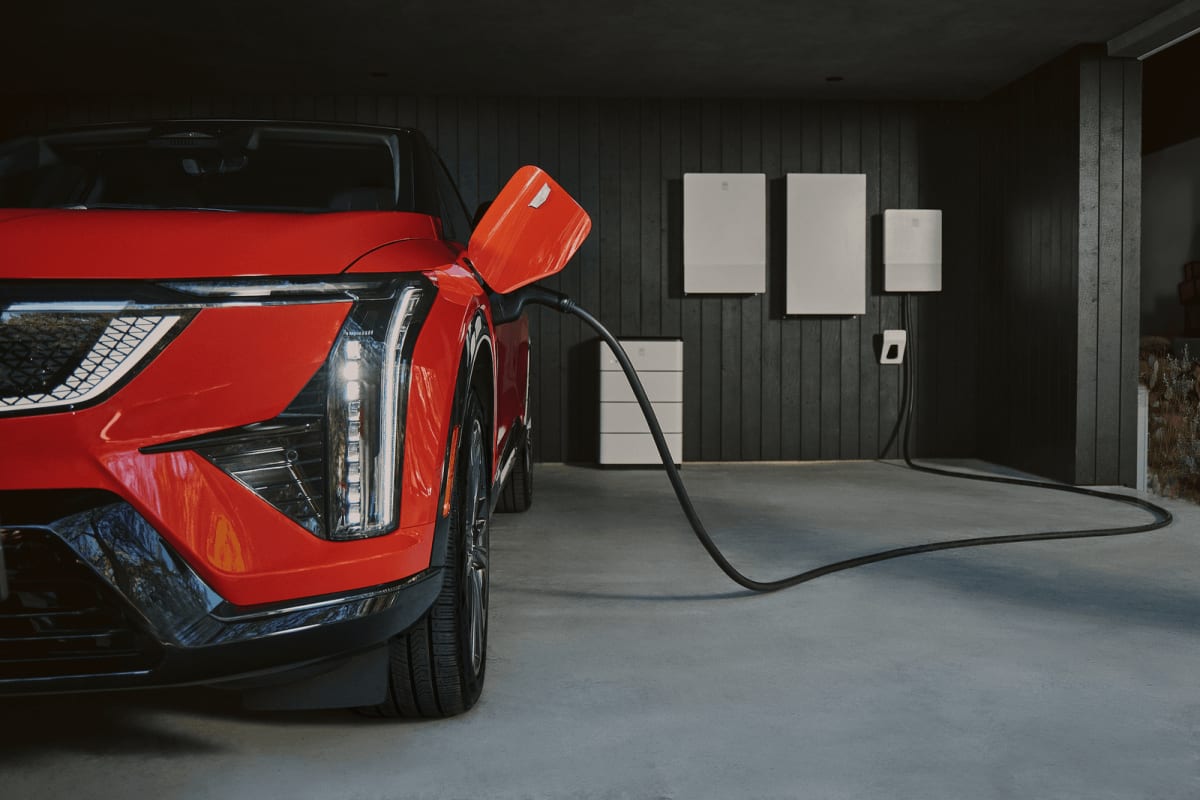
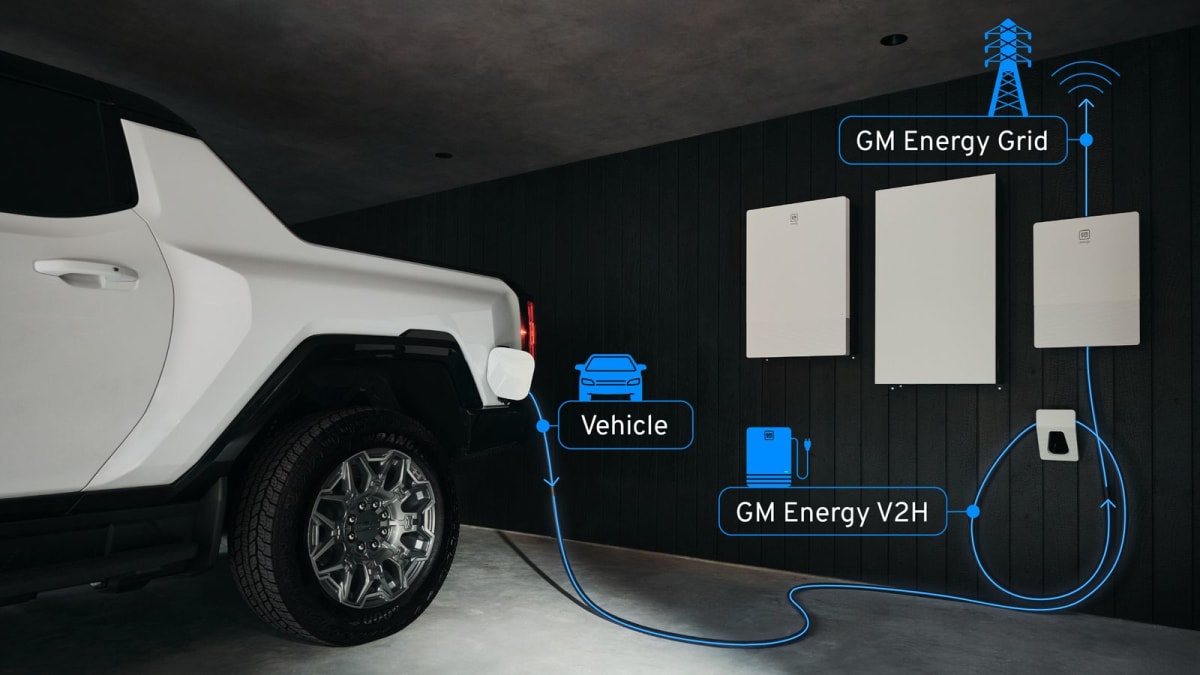
General Motors just activated a hidden superpower in 250,000 electric vehicles already cruising American streets. With a software update this week, these cars can now charge bidirectional, meaning their massive batteries can power your home during blackouts or feed electricity back into your neighborhood's grid.
The technology, called vehicle-to-grid charging, turns every compatible GM EV into a mini power plant on wheels. Car owners can charge their batteries when electricity is cheap overnight, then sell that power back to the grid during peak demand hours when prices spike. Those afternoon moments when everyone cranks up their air conditioning? Your parked car could help balance the grid and pad your wallet.
Twelve GM models already have this capability built in, more than any other American automaker. The potential savings are real: GM says the $20,000 home energy system needed to make this work typically pays for itself in about five years.
The catch is getting there. Right now, only thousands of those 250,000 capable vehicles are actually connected to home systems. Owners need professional installation, and their local utility company must approve the setup and create programs that compensate them for sharing power.
The Ripple Effect
This technology could reshape how America thinks about energy storage. Instead of building expensive battery facilities, utilities could tap into millions of EVs sitting idle in driveways and parking lots. Every electric car becomes a building block for a more flexible, resilient power grid.
GM Energy has already partnered with Michigan's DTE Energy for a 30-employee test run and plans to connect 52,000 EVs to Northern California's PG&E grid by 2030. Dozens more utility partnerships are in the works across the country.
The timing matters. As extreme weather makes power outages more common, having a backup battery that also happens to drive you to work becomes increasingly valuable. A typical EV battery holds enough juice to power an average home for several days.
The technology is still young. Researchers at UC Irvine spent two years working with Kia and Hyundai just to get vehicle-to-home charging running in six Southern California houses. Utilities are still figuring out how to make different manufacturers' systems talk to each other using common standards.
Washington state's Puget Sound Energy is running a pilot program through early next year to tackle exactly these challenges. Their senior product manager Clint Stewart believes widespread adoption is about five years away, once the kinks get worked out.
GM is building in safeguards so drivers never get stranded with a dead battery because their car was busy powering the neighborhood. Future versions might learn your schedule and automatically save enough charge for soccer practice or the morning commute.
For now, GM Energy's vice president Wade Scheffer says the biggest barrier is simply awareness: most people don't know their cars can do this.
More Images

Based on reporting by Google News - Electric Vehicle
This story was written by BrightWire based on verified news reports.
Spread the positivity!
Share this good news with someone who needs it