Goa's "Ugly" Mango Now Sells for $80 a Dozen
A golden mango the Portuguese once mocked as "poorly colored" now commands premium prices and just made history as Goa's first mango export to the UK. The Mankurad's journey from colonial insult to treasured heirloom proves that true quality doesn't need to shout for attention.
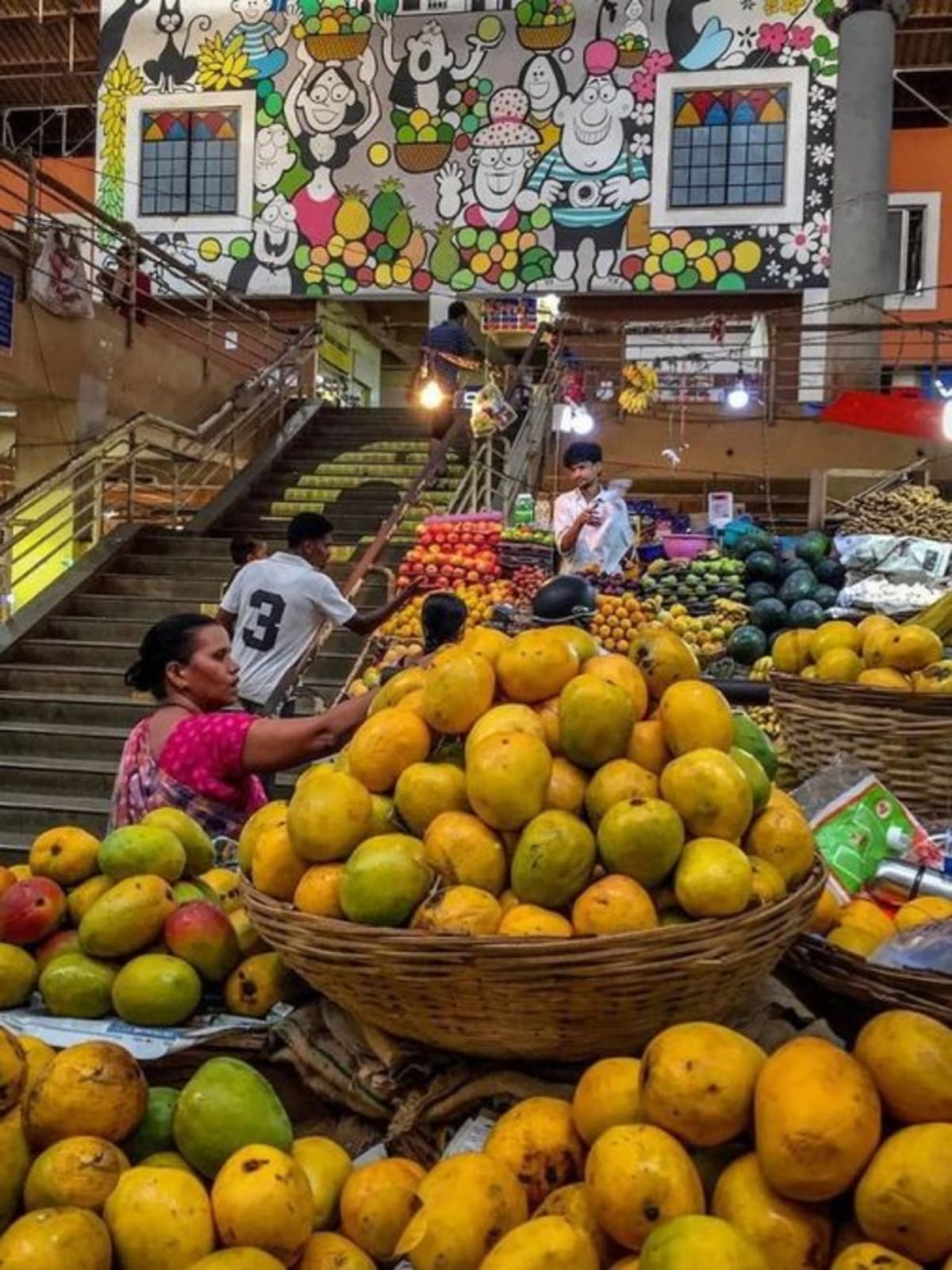
When 16th-century Portuguese colonizers first saw a quiet, golden mango in Goa, they dismissed it as "Malcorado," meaning "poorly colored." Four centuries later, that same fruit sells for 7,000 rupees (about $80) a dozen.
Over generations, Konkani-speaking Goans softened the harsh Portuguese insult into "Mankurad aamo," a name now spoken with the warmth usually reserved for beloved family members. A colonial putdown had quietly transformed into pride.
While the famous Alphonso mango ripens into dramatic red and orange, the Mankurad stays calm and yellow from skin to stem. The Portuguese saw plainness where Goans recognized grace.
Slice a Mankurad open and you'll discover its secret: an impossibly thin, flat seed that leaves behind thick layers of golden pulp. Every bite feels generous, as if the fruit was designed for sharing.
The scent alone tells its own story. A single ripe Mankurad can perfume an entire Indo-Portuguese mansion, and for many Goans, that smell means summer itself: childhood holidays, grandmothers in the kitchen, and long afternoons when nothing else mattered.
The Mankurad is actually four sub-varieties: Cardozo, Costa, Gawas, and Amaral. Each carries the name of the Goan family that has protected its bloodline for generations, passing trees down like precious heirlooms from parent to child.
This mango arrives first in Goan markets, sometimes appearing as early as January. Families race to bring home that first dozen and place it proudly on their tables like the return of an old friend.
Owning a Mankurad tree carries such quiet prestige that some families rent out their backyard trees each season. The Dhargalkar family of Siolim leases trees across villages, ripens the fruit carefully, and brings it gently to market.
Goan grandmothers preserve early Mankurads as "mangad," a thick golden jam that stretches summer into months. Another beloved recipe, "Chepnechim toran," pickles the fruit with chili, ginger, and cashew, carrying the season's taste through every monsoon meal.
The Ripple Effect
In August 2023, the Mankurad received its GI tag, claiming recognition it had waited centuries to receive. By May 2024, the very fruit once mocked as "poorly colored" flew out of Mopa Airport in 300 boxes bound for the UK as Goa's first mango export ever.
The families who refused to let go of their "ugly" trees now watch their heirloom fruit travel the world. Sometimes the most beautiful things in life simply refuse to shout for attention.
Based on reporting by The Better India
This story was written by BrightWire based on verified news reports.
Spread the positivity!
Share this good news with someone who needs it