Golfer Gary Woodland Shares PTSD Journey After Surgery
Former U.S. Open champion Gary Woodland is opening up about his battle with PTSD following life-saving brain surgery, choosing courage over hiding. His honesty is helping break the stigma around mental health in professional sports.
Former U.S. Open champion Gary Woodland is done hiding his pain, and his courage is helping others feel less alone.
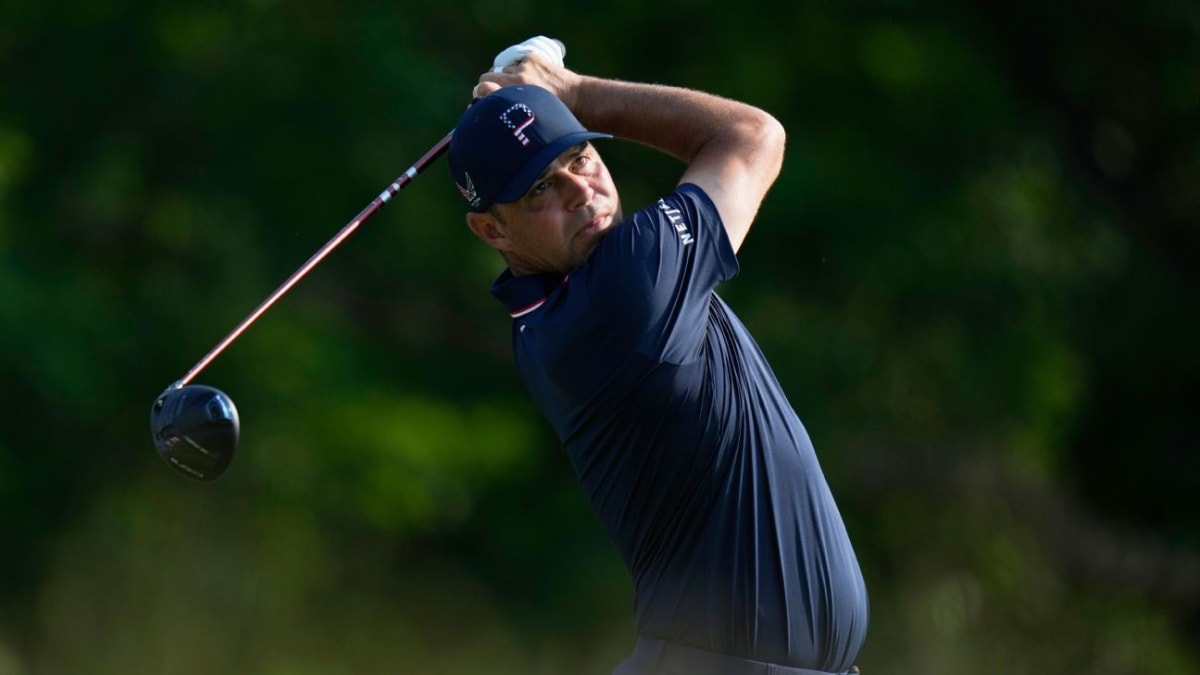
The 41-year-old golfer revealed this week that he's been battling post-traumatic stress disorder since undergoing brain surgery in September 2023. Doctors removed a lesion pressing on his brain, stopping his seizures and saving his life.
But Woodland's journey didn't end when he returned to the PGA Tour in early 2024. While fans celebrated his comeback, he was silently struggling with PTSD symptoms that left him feeling like he was "dying inside."
"Everyone is so excited and happy that I'm back," Woodland told Golf Channel. "But inside, I feel like I'm living a lie, and I don't want to waste energy on that anymore."
The Kansas native described a breaking point during last fall's Procore Championship. When someone walked up behind him unexpectedly, panic took over. His vision blurred, his memory failed, and he broke down crying in the middle of the fairway during his round.
He finished the round wearing sunglasses to hide his tears, ducking into bathrooms between holes. The moment his scorecard was signed, he ran to his car and left.
Those painful moments convinced Woodland that silence was costing him too much energy. He decided transparency would free him to focus on recovery, his family, and his golf dreams.
Why This Inspires
Woodland's decision to speak openly challenges the tough-guy culture that often silences athletes facing mental health struggles. By sharing his most vulnerable moments, he's showing others that seeking help isn't weakness but strength.
The PGA Tour has responded with concrete support, providing safety protocols and extra security when he competes. This partnership demonstrates how organizations can create environments where athletes feel safe being honest about their challenges.
Even his doctors suggested he might be better off avoiding the stressful, overstimulating environment of professional golf. Woodland's response captured his determination: "In an ideal world, I don't have PTSD. Golf is my dream, this is what I'm going to do, and no matter how hard it is, I'm going to play."
He continues competing on a full schedule, including this week's Players Championship. Each tournament becomes part of his healing process, proving that recovery doesn't always mean stepping away from what you love.
Woodland believes that continuing to play will ultimately help him heal, turning the golf course from a place of panic into a path toward recovery.
More Images

Based on reporting by ESPN
This story was written by BrightWire based on verified news reports.
Spread the positivity!
Share this good news with someone who needs it

%2Ffile%2Fattachments%2F2997%2FAparticipantisseenduringthesecondeveningoftheSilentSardiniaFestivalwithaneventdedicatedtoyogaandmeditationonAugust012021inSantaTeresadiGalluraItaly_390346.jpg)