Google AI Now Predicts Floods for 2 Billion People
Google's AI flood forecasting system now protects 2 billion people across 150 countries by predicting river floods seven days in advance and urban flash floods 24 hours before they strike. A groundbreaking new tool called Groundsource analyzed 5 million news reports to create the world's first comprehensive urban flood dataset.
Imagine getting a week's warning before a deadly flood destroys your home, giving you time to evacuate your family and protect everything you've worked for.
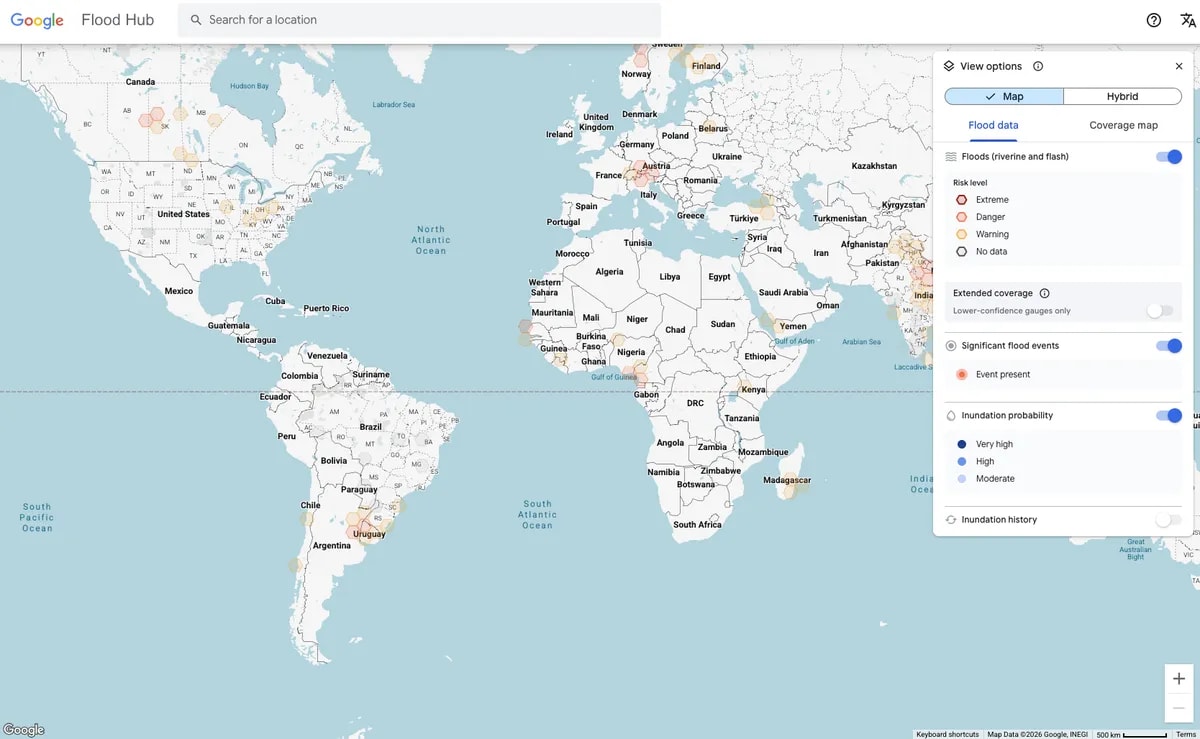
That's now a reality for 2 billion people worldwide, thanks to Google's AI-powered Flood Hub system. What started as a small pilot project in India in 2018 has grown into a global lifesaving network spanning 150 countries.
The system works by analyzing massive amounts of weather data, river levels, and ground conditions to predict riverine floods up to seven days before they happen. For urban flash floods, which strike with less warning, the AI provides crucial 24-hour advance alerts.
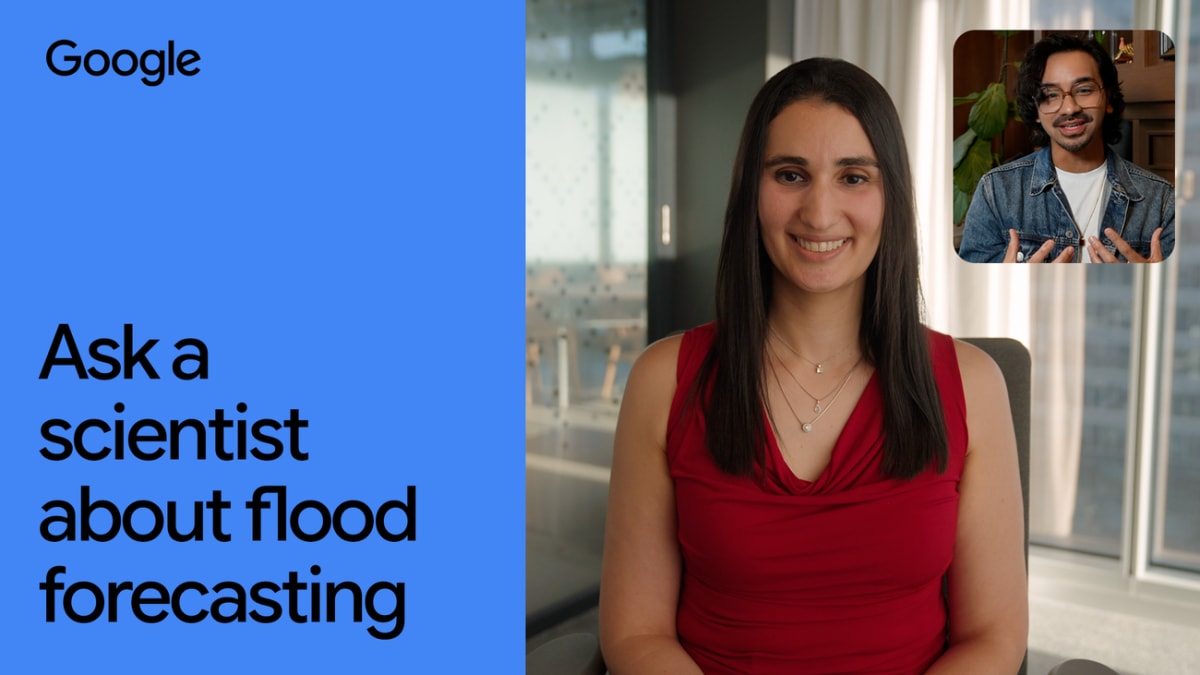
"Early warnings can prevent much of the harm floods cause," says Deborah Cohen, senior staff research scientist at Google Research who leads the flood forecasting work. Floods remain one of the deadliest natural disasters on the planet, but they're also one of the most predictable with the right tools.
The real breakthrough came with Groundsource, a new AI methodology that solved a massive data problem. While rivers worldwide have physical gauges measuring water levels, urban areas rarely have sensors tracking flash floods. Without historical data, predicting urban flooding seemed impossible.
Google's solution was ingenious. They used Gemini AI to read through 5 million news reports about flooding over 20 years, creating a dataset of 2.6 million historical flood events. This became the foundation for predicting urban flash floods in places that had never had monitoring systems before.
The impact goes far beyond early warnings on a map. Aid organizations like GiveDirectly are using the Flood Forecasting API to deliver cash assistance to vulnerable communities before water levels rise. Last year in Kogi, Nigeria, one of West Africa's most flood-prone regions, families received money in time to evacuate safely, protect their belongings, and start rebuilding faster.
The Ripple Effect
The technology matters most in places with the least resources. Traditional flood models require decades of local historical data and expensive monitoring equipment. Google's AI pulls from global information to protect communities in data-scarce regions, exactly where people need warnings most desperately.
The Flood Hub tool is freely accessible to anyone searching for flood information in their area. Google also provides an open-source API so researchers and disaster response organizations can integrate predictions into their own systems.
Researchers are already exploring how this same approach could predict other climate disasters like heat waves and mudslides. The Groundsource methodology of mining historical news reports could unlock predictions for weather events we've never been able to forecast reliably.
From a pilot program protecting one region to a global network saving lives across three continents, AI is proving that technology's greatest power lies in keeping people safe.
More Images

Based on reporting by Google News - Researchers Find
This story was written by BrightWire based on verified news reports.
Spread the positivity!
Share this good news with someone who needs it