Google Backs Giant CO2 Batteries to Power Data Centers 24/7
Google is building massive CO2 batteries that can store clean energy three times longer than lithium-ion batteries at 30% lower cost. The inflatable dome technology could finally solve the challenge of keeping data centers powered around the clock with renewable energy.
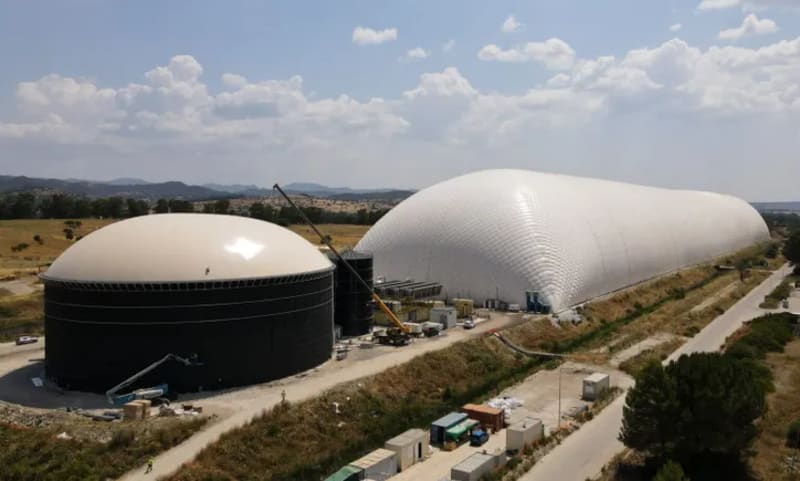
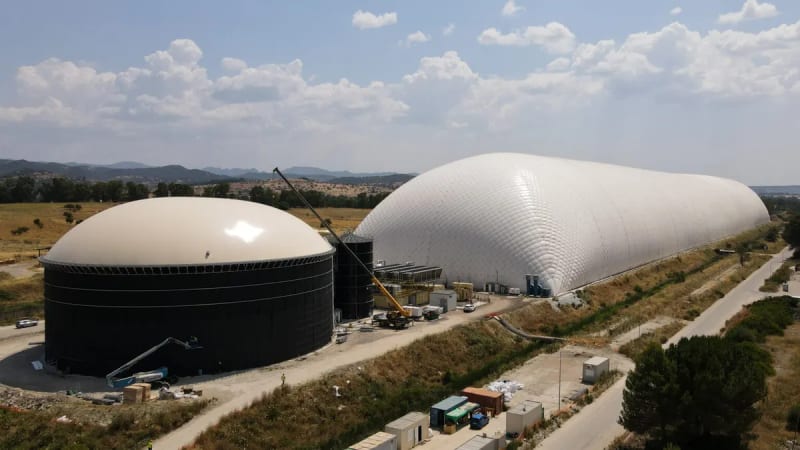
Imagine a stadium-sized inflatable dome that stores carbon dioxide to power thousands of homes when the sun sets and the wind stops blowing. Google just bet big on this breakthrough technology to keep its data centers running on clean energy 24/7.
The tech giant is partnering with Milan-based Energy Dome to build CO2 batteries near its major data centers across the United States, Europe, and parts of Asia. These massive energy storage units work by compressing and expanding carbon dioxide to spin turbines that generate electricity.
The first working model in Sardinia, Italy, already stores 2,000 tons of CO2 and delivers 200 megawatt-hours of power. That equals 20 megawatts over 10 hours, enough to power through long nights and cloudy days when solar panels sit idle.
Traditional lithium-ion batteries can only cost-effectively supply backup power for four to eight hours. CO2 batteries blow past that limit while lasting nearly three times longer and costing 30% less per kilowatt-hour.
"We've been scanning the globe seeking different solutions," said Ainhoa Anda, Google's senior lead for energy strategy in Paris. The company needed something that could work anywhere without requiring specific geography or massive construction timelines.
CO2 batteries need only five acres of flat land and took less than two years to build in Sardinia. The expandable dome itself inflated in less than half a day. Compare that to pumped-hydro facilities, which need specific terrain and can take a decade to construct.
The technology solves a critical puzzle for companies trying to run entirely on renewable energy. Solar and wind power are clean but unpredictable, and the hottest days when air conditioning demand peaks often bring still, hazy weather with little wind or direct sunlight.
The Ripple Effect
Google isn't alone in seeing the potential. Wisconsin utility Alliant Energy received approval to begin construction on a CO2 battery this year that will supply power to 18,000 homes. As more companies and utilities adopt this technology, the cost will likely drop even further, making clean energy storage accessible to smaller communities.
Energy Dome founder Claudio Spadacini addressed concerns about CO2 releases if a dome gets damaged. Any gas released would be negligible compared to coal plants and similar to a handful of transatlantic flights, he explained.
The stadium-height domes might face local opposition in some areas, but the technology offers something renewable energy has desperately needed: reliable, affordable, large-scale storage that works anywhere.
Clean energy just got a lot more dependable.
More Images

Based on reporting by Google News - Clean Energy
This story was written by BrightWire based on verified news reports.
Spread the positivity!
Share this good news with someone who needs it