Google Data Center to Add 1,900 MW Clean Energy to Minnesota
A new partnership between Google and Xcel Energy will bring nearly 2,000 megawatts of carbon-free power to Minnesota's grid while protecting current customers from higher costs. The agreement sets a new standard for how tech companies can support clean energy goals without burdening local ratepayers. #
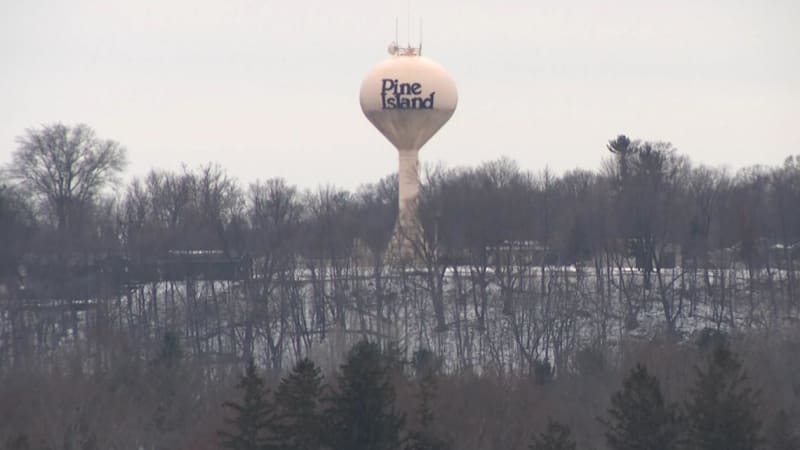
When Google builds its new data center in Pine Island, Minnesota, it won't just plug into the existing power grid. The tech giant is funding an entirely new clean energy infrastructure that could change how America powers the AI revolution.
Xcel Energy announced Tuesday that its partnership with Google will add 1,900 megawatts of carbon-free electricity to Minnesota's grid. That's enough to power roughly 1.5 million homes with clean energy.
Here's what makes this deal different: Google agreed to cover all new grid infrastructure costs. Xcel's current customers won't see their bills go up to accommodate the massive new data center.
"This unique agreement is a model for data center partnerships," said Bria Shea, president of Xcel Energy for Minnesota and the Dakotas. The deal ensures Minnesota's carbon-free future while driving investment into local communities.
Google's approach addresses a growing tension across America. Data centers powering AI and cloud computing need enormous amounts of electricity, and communities worry about who pays for that expansion.
Amanda Peterson Corio, Google's head of Data Center Energy, emphasized the company's commitment to being "a good citizen of the grid." The project includes long-duration energy storage technology to help build a more resilient power system for everyone.
The Ripple Effect
This partnership could reshape how tech companies and utilities work together nationwide. As AI demand explodes, energy providers face pressure to expand capacity quickly while meeting climate goals.
By funding its own infrastructure and prioritizing clean energy, Google is proving that rapid tech growth and environmental responsibility don't have to conflict. The Minnesota Chamber of Commerce projects significant economic benefits for the state.
The deal still needs approval from the Minnesota Public Utilities Commission in coming weeks. But the framework offers hope for communities nationwide wrestling with similar projects.
Data centers create jobs and tax revenue while powering the tools that drive modern life, from streaming services to medical research. Finding ways to build them sustainably matters for everyone.
Some Pine Island residents have raised valid concerns about environmental impacts, water use, and how quickly the project is moving. Local advocacy groups are pushing for thorough environmental reviews.
Those conversations are important. The best outcome happens when companies, utilities, and communities work together to address concerns while moving forward with needed infrastructure.
Minnesota is showing that clean energy expansion and technological progress can happen side by side, creating a template other states might follow as our digital future takes shape.
#
More Images




Based on reporting by Google News - Clean Energy
This story was written by BrightWire based on verified news reports.
Spread the positivity!
Share this good news with someone who needs it