Google DeepMind: Robots Reach Physical Intelligence Milestone
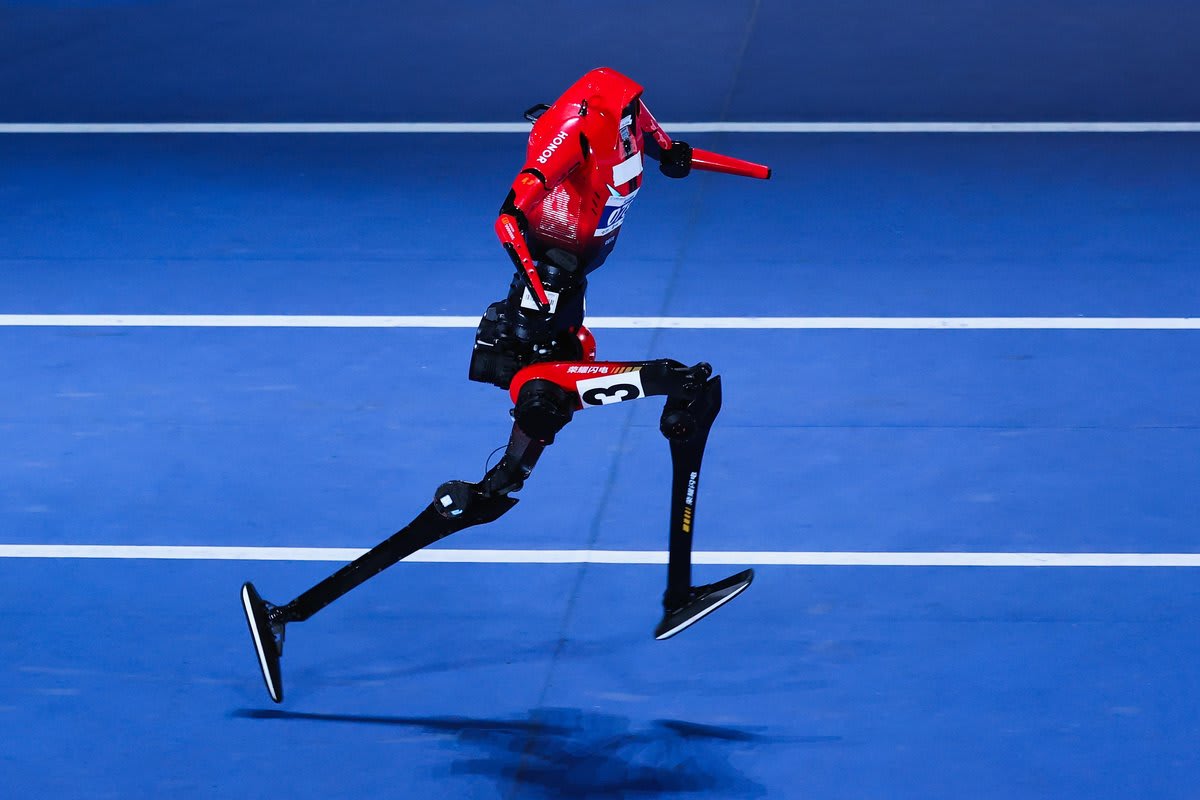
Robots are about to get dramatically smarter at understanding and interacting with the physical world, according to Google DeepMind's CEO. The breakthrough could transform everything from manufacturing to healthcare in the coming years.
The robots of tomorrow are learning to think with their hands, and the world's leading AI researcher says we're closer than ever to making it happen.
Demis Hassabis, CEO and co-founder of Google DeepMind, told Bloomberg at the World Economic Forum in Davos that robotics stands "on the cusp of a breakthrough moment in physical intelligence." This isn't about robots getting faster or stronger. It's about them finally understanding how to navigate and manipulate the real world the way humans do naturally.
Physical intelligence means robots that can learn from their environment, adapt to unexpected situations, and handle delicate tasks without constant human programming. Think of a robot that could fold laundry, help an elderly person dress, or assist surgeons in complex operations without needing specific instructions for every single movement.
For years, AI has excelled at digital tasks like recognizing images or understanding language. But the physical world has remained stubbornly difficult for machines to master. A toddler can figure out how to stack blocks or pour water, but teaching a robot those same skills has required enormous effort and specialized programming.
Recent advances in AI learning systems are changing that equation. The same technology that helped chatbots understand language is now helping robots understand physics, texture, weight, and spatial relationships. They're learning through trial and error, much like children do.
The Ripple Effect
This breakthrough could reshape industries struggling with labor shortages. Manufacturing plants could run more efficiently with robots handling intricate assembly work. Hospitals could deploy robotic assistants to help overworked nurses with routine physical tasks. Warehouses could operate more safely with machines handling the most dangerous jobs.
The technology could also bring independence to millions of people with disabilities. Robotic assistants with true physical intelligence could help with daily tasks that many of us take for granted, from cooking meals to getting dressed.
Google DeepMind has been at the forefront of AI breakthroughs for years, including developing AlphaGo, which mastered the ancient game of Go, and AlphaFold, which solved protein structure prediction. Hassabis's track record suggests this isn't hype but a genuine milestone on the horizon.
The timeline for widespread deployment remains uncertain, but the foundational technology is advancing rapidly. When robots can truly understand and interact with the physical world, they'll become genuine partners in solving some of humanity's biggest challenges.
More Images




Based on reporting by Google News - AI Breakthrough
This story was written by BrightWire based on verified news reports.
Spread the positivity!
Share this good news with someone who needs it