Google Plans World's Largest Battery With 100-Hour Power
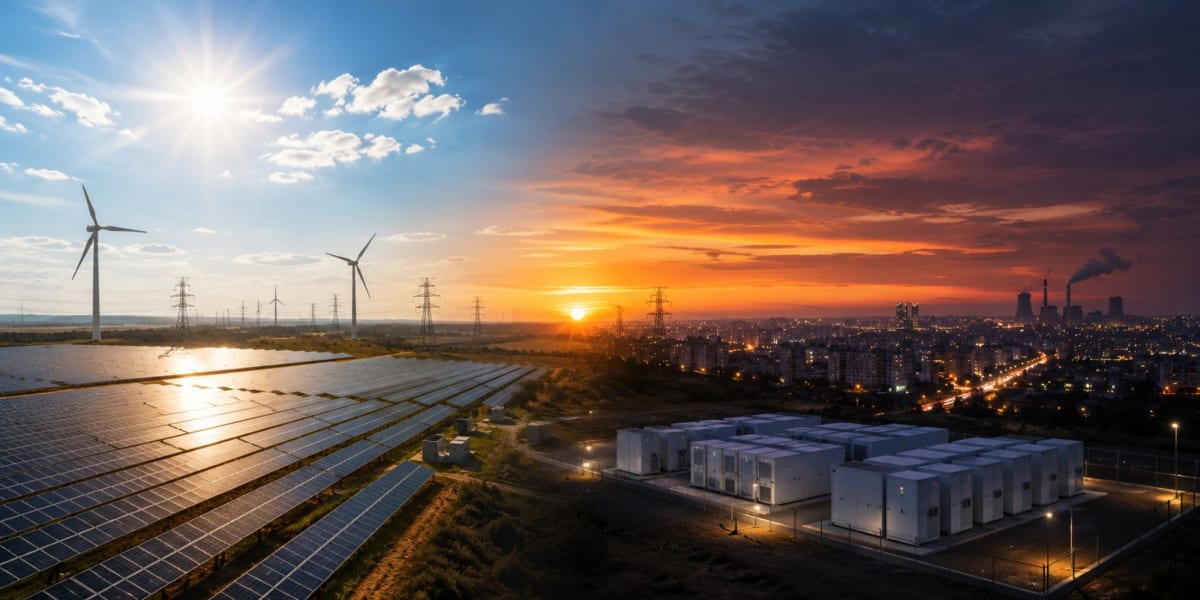
Google just announced a Minnesota data center that will run on wind, solar, and the world's largest battery system capable of storing 100 hours of clean energy. This groundbreaking project could finally silence critics who say renewable power isn't reliable enough.
Imagine a battery so powerful it could keep the lights on during a five-day blizzard or heat wave, all while running on clean energy.
Google just made that vision real. The tech giant announced plans for a new data center complex south of Minneapolis powered entirely by renewable energy, including a revolutionary battery system that stores up to 100 hours of power.
That's a game changer. Most battery storage systems today last just four to eight hours, nowhere near enough to cover extended weather events or days when the sun doesn't shine and the wind doesn't blow.
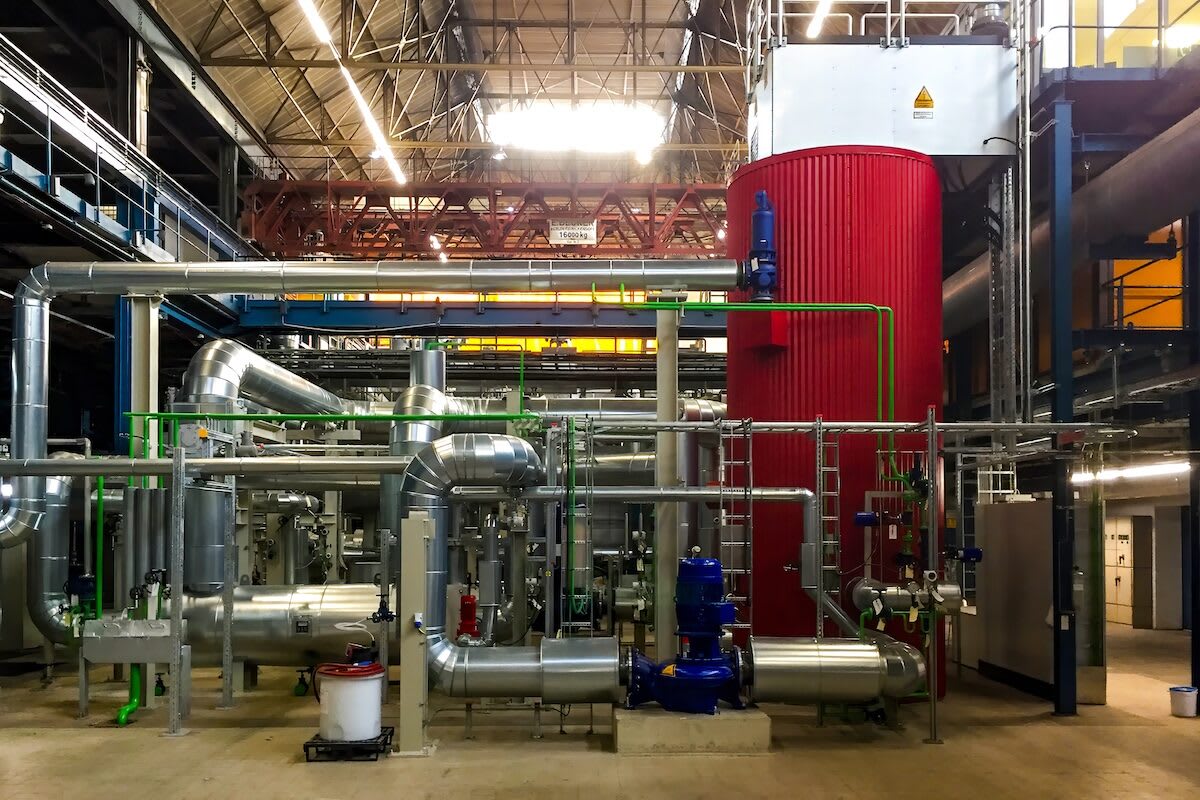
The project uses iron-air battery technology from a company called Form Energy. These batteries work through a reversible rusting process where oxygen pumped into cells causes iron to rust, releasing electrons that store power.
The genius is in the cost. By using iron instead of expensive lithium, Form's batteries cost about one-tenth as much as traditional lithium-ion batteries, making extended storage finally affordable.
Google's partnership with Minneapolis utility Xcel Energy will build 1.4 gigawatts of wind power, 200 megawatts of solar, and a 300-megawatt battery system. When fully charged, that battery could power more than 200,000 homes.
"This is the largest announced energy storage project in the world," Form Energy CEO Mateo Jaramillo told Fortune. He should know. Before founding Form in 2017, he spent years as a battery storage expert at Tesla.
Jaramillo explained that 100 hours isn't just a nice round number. It matches the typical duration of major weather events like polar vortexes, heat domes, hurricanes, and sandstorms that stress power grids.
The Ripple Effect
This breakthrough addresses one of the biggest criticisms of renewable energy: reliability. Critics have long argued that solar and wind can't match the steady, round-the-clock power from fossil fuel plants.
Long-duration batteries change that equation. Short-duration batteries already handle brief gaps when the sun sets or wind dies down. Now multiday batteries can cover extended periods, creating truly self-contained clean energy systems.
The timing couldn't be better. This year alone, the Department of Energy projects 24.3 gigawatts of new battery storage installations across the United States. That's more than twice the new wind power and almost quadruple the new gas-fired generation capacity.
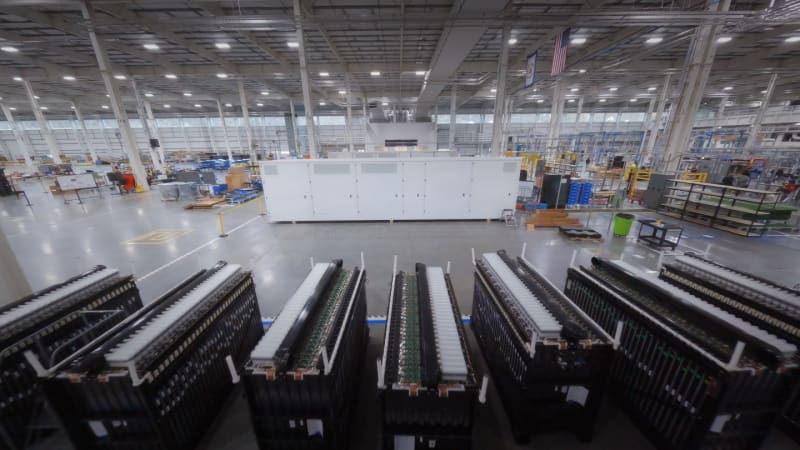
Form Energy is scaling up fast. Their West Virginia factory opens later this year and will produce 500 megawatts of battery power annually by late 2028. The company plans to go public next year.
Google's project uses a new Minnesota agreement called the Clean Energy Accelerator Charge that lets companies choose their own renewable energy mix as long as they cover costs without passing charges to residents.
The batteries are scheduled for installation in 2028, turning a data center into proof that clean energy can power even the most demanding facilities through any weather.
More Images


Based on reporting by Google News - Clean Energy
This story was written by BrightWire based on verified news reports.
Spread the positivity!
Share this good news with someone who needs it