Google Powers Latin America with 400MW Clean Energy Push
Google just locked in over 400MW of renewable energy across Latin America, powering its data centers with sunshine while helping Chilean farmers save water in drought-stricken regions. The tech giant's Chilean facilities now run on 90% carbon-free energy, ranking third worldwide. --- ##
Google just made one of its biggest clean energy bets in Latin America, and the results are already lighting up the region with hope.
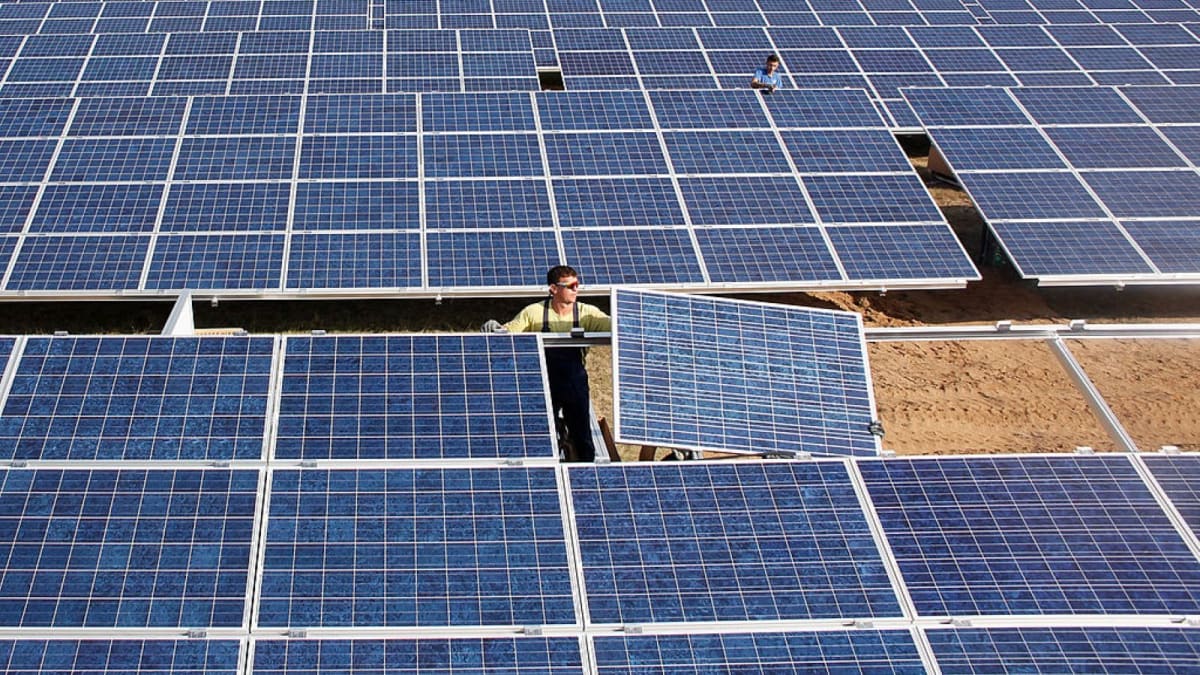
The tech giant signed agreements for more than 400MW of renewable power across four projects in the region, with a major chunk coming from Chile's sun-drenched Atacama Desert. Google now pulls 80MW from the El Romero solar plant, a massive photovoltaic facility that transforms desert sunshine into digital power.
The numbers tell an impressive story. Google's Latin American operations consumed 639,700 megawatt hours of electricity in 2025, and a whopping 526,200 of those megawatt hours came from renewable sources. That's real progress you can measure.
In Chile, where Google owns and operates data centers in Quilicura and San Bernardo near Santiago, the company achieved a 90% carbon-free energy rate in 2025. Only facilities in Finland and Denmark scored higher globally.
These deals are part of something much bigger. Between 2010 and 2025, Google signed more than 240 clean energy agreements worldwide, totaling nearly 35 gigawatts of new renewable capacity. In 2025 alone, the company contracted over 12GW, the largest single-year procurement in its history.
Google's Quilicura data center also earned bragging rights for efficiency. It posted a power usage effectiveness score of 1.08 in 2024, meaning almost every electron goes directly to running computers rather than wasting energy on overhead. The closer to 1.0, the better, and Google is nearly perfect.
But here's where the story gets really interesting. As Google's operations grow, so does its water use, and in drought-prone Chile, that's a challenge the company isn't ignoring.
Water withdrawal at the Quilicura campus reached 278 million gallons in 2025, up from 219 million gallons the year before. Instead of just accepting that growth, Google partnered with a local organization called Agua Segura to help the entire region use water more wisely.
The Ripple Effect
The partnership focuses on the Maipo River basin, where years of drought and rising temperatures have squeezed water supplies for millions of Chileans. Google is helping optimize irrigation across 370 acres of farmland using smart software that combines weather forecasts with real-time crop conditions.
Farmers can now irrigate with precision, preventing overwatering and runoff while protecting a watershed that serves as a lifeline for much of Chile's population. It's a perfect example of how a tech company's local commitment can create benefits far beyond its own walls.
The broader impact matters too. Chile's electricity grid averaged 62% carbon-free generation in 2025, meaning Google's push for renewables helps drag the entire system toward cleaner power. When big companies sign long-term agreements for solar and wind projects, they create stable revenue streams that make it easier for energy developers to build more clean power plants.
Google's newer San Bernardo data center, still ramping up operations, shows how the company is baking efficiency into its growth from day one. Water use there remained minimal in 2025, with careful management as occupancy increases.
The company acknowledges that its energy and water footprints are growing as it expands cloud services across Brazil, Chile, and Mexico. But the transparency itself matters. Publishing detailed sustainability metrics holds the company accountable and sets benchmarks for the entire tech industry.
Latin America's renewable energy sector is booming, and corporate commitments like Google's 400MW are accelerating that momentum. Every megawatt of contracted clean energy represents construction jobs, engineering expertise, and long-term operations that build local capacity.
Chile's combination of world-class solar resources and tech industry demand is proving that emerging markets can leapfrog straight to clean energy without building out fossil fuel infrastructure first. Google's data centers are helping prove that model works at scale, with real numbers and real impact for communities.
---
##
More Images


Based on reporting by Google News - Chile Renewable Energy
This story was written by BrightWire based on verified news reports.
Spread the positivity!
Share this good news with someone who needs it