Google to Release 32M Mosquitoes to Fight Disease
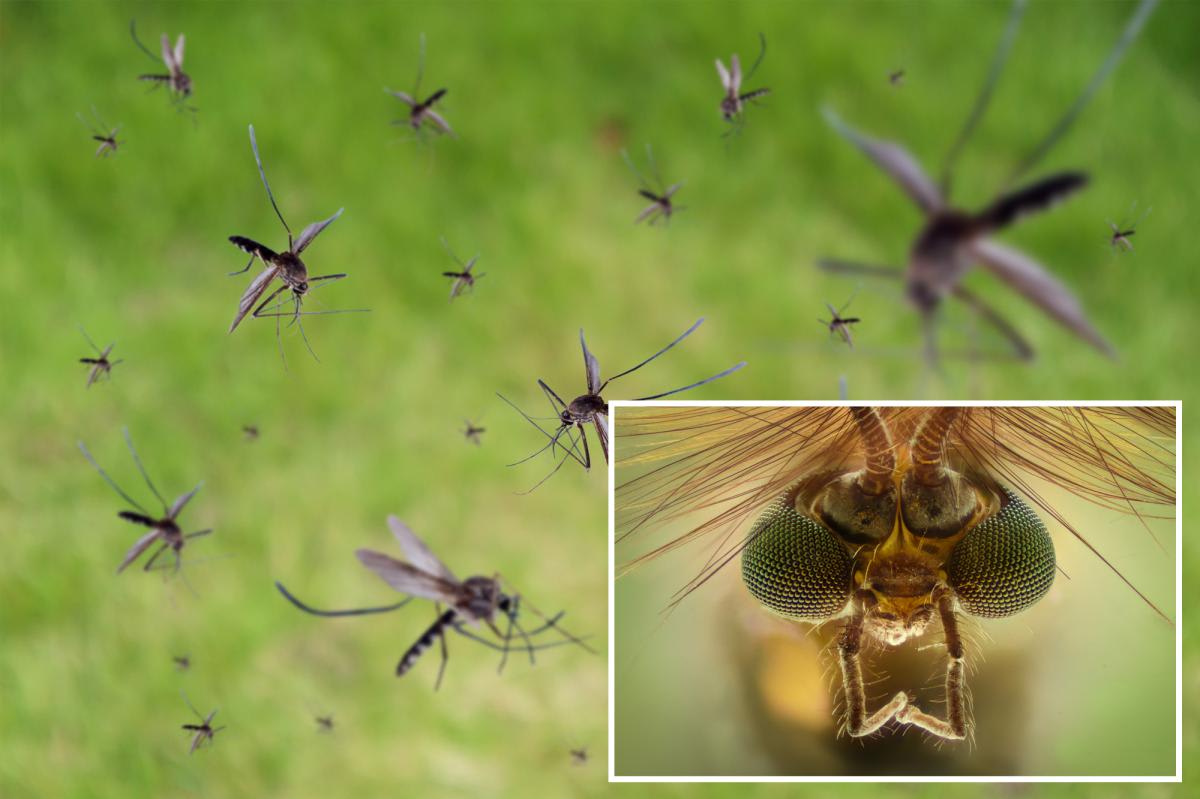
Google is seeking approval to release millions of bacteria-infected mosquitoes in California and Florida to stop the spread of West Nile virus and other deadly diseases. The innovative approach could reduce disease-carrying mosquito populations without using harmful pesticides.
Imagine fighting mosquito-borne diseases not with pesticides, but with mosquitoes themselves.
Google's little-known Debug initiative is asking federal regulators for permission to release up to 32 million specially treated mosquitoes across California and Florida over the next two years. The US Environmental Protection Agency is reviewing the proposal and accepting public comments through June 5.
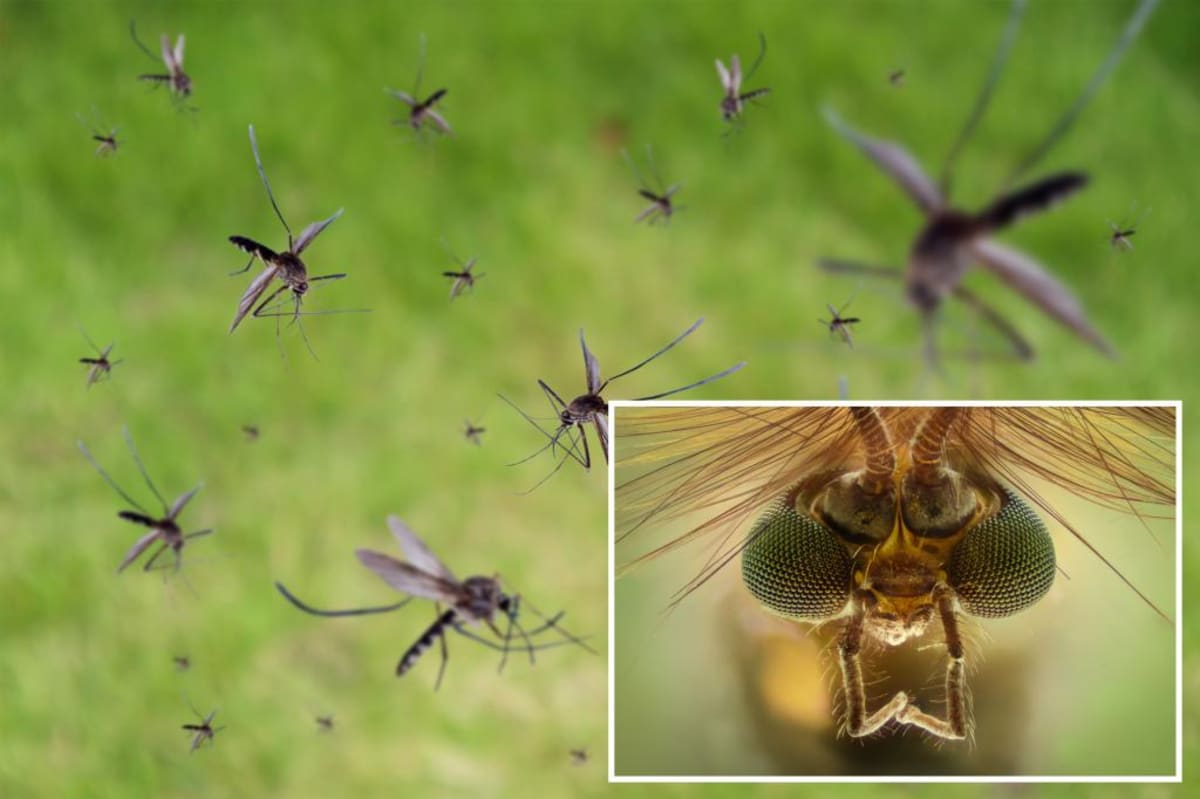
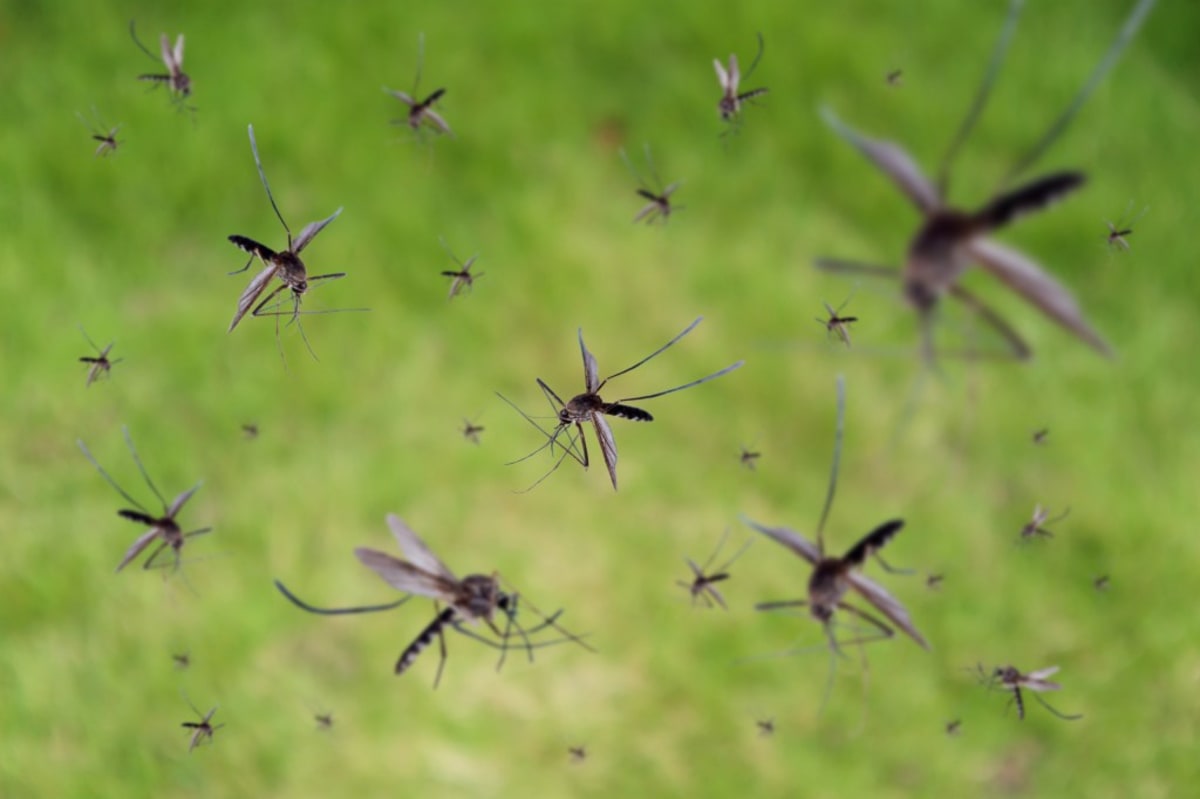
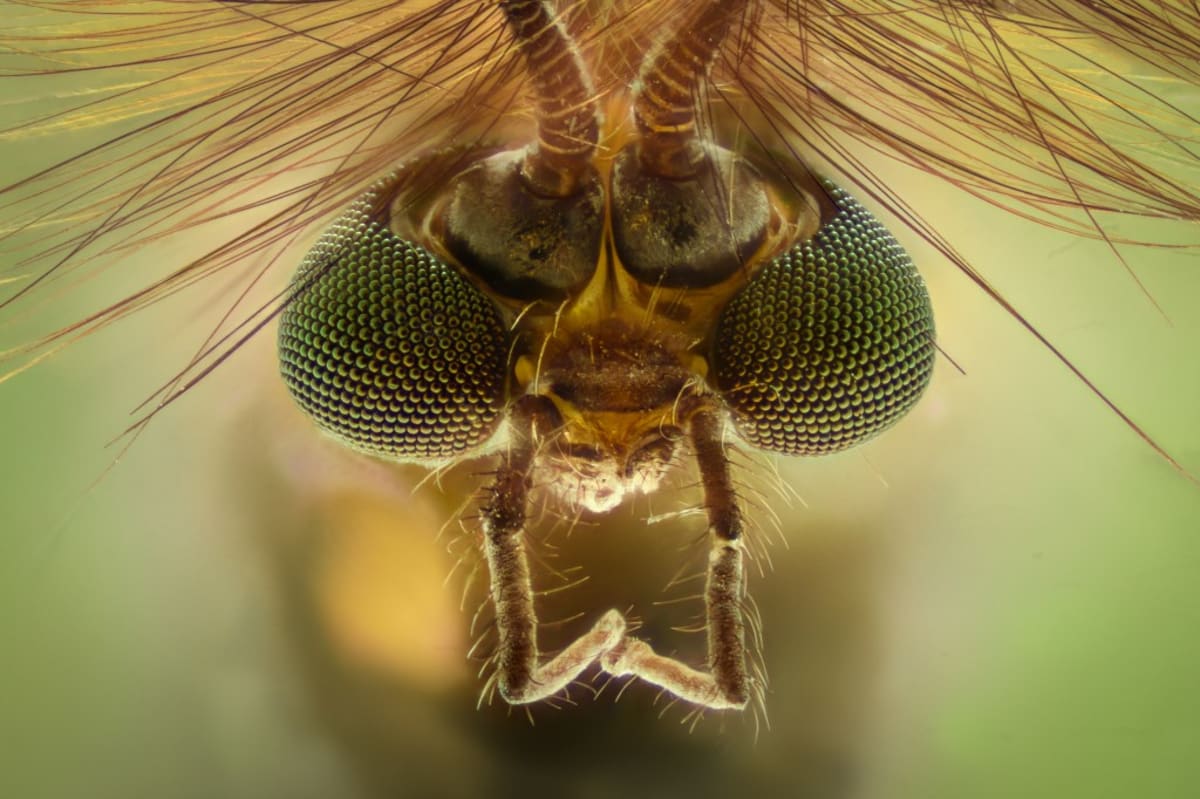
The target? Culex mosquitoes, the species responsible for spreading West Nile virus and St. Louis encephalitis. According to the CDC, West Nile virus remains the leading mosquito-borne disease in America, and these viruses already circulate naturally in California's bird and mosquito populations.
Here's the clever part: Google plans to release only male mosquitoes infected with Wolbachia, a naturally occurring bacteria. When these males mate with wild females, their offspring don't survive, gradually shrinking mosquito populations over time.
The best news for anyone worried about more bites? Only female mosquitoes bite humans, so releasing males won't increase the number of bloodsuckers buzzing around your backyard.
Google has spent more than a decade developing the technology through its Debug program, using artificial intelligence and robotic systems to breed, sort, and release mosquitoes at a scale large enough to make a real difference.
Why This Inspires
Mosquito control agencies have been searching for pesticide alternatives for years, and this approach offers something revolutionary: fighting nature with nature itself.
The strategy addresses multiple diseases at once, including West Nile virus, dengue, Zika, chikungunya, yellow fever, and St. Louis encephalitis. Just this week, Riverside County confirmed a positive sample of West Nile virus, showing how urgent the need remains.
Chad Huff from the Florida Keys Mosquito Control District captured the excitement perfectly: "It's a great concept, and we're putting it to real use to see if it works."
While some residents express caution about being testing grounds, the potential impact stretches far beyond California and Florida. If successful, this technology could be deployed anywhere mosquito-borne diseases threaten human health, offering communities worldwide a safer alternative to chemical pesticides.
The project represents exactly the kind of innovation we need: tech companies applying their resources not just to sell products, but to solve real public health challenges affecting millions of people.
A future with fewer disease-carrying mosquitoes and fewer harmful pesticides might soon be more than just a dream.
More Images
Based on reporting by Google News - Health
This story was written by BrightWire based on verified news reports.
Spread the positivity!
Share this good news with someone who needs it