Google to Release 64M Mosquitoes to Fight Disease
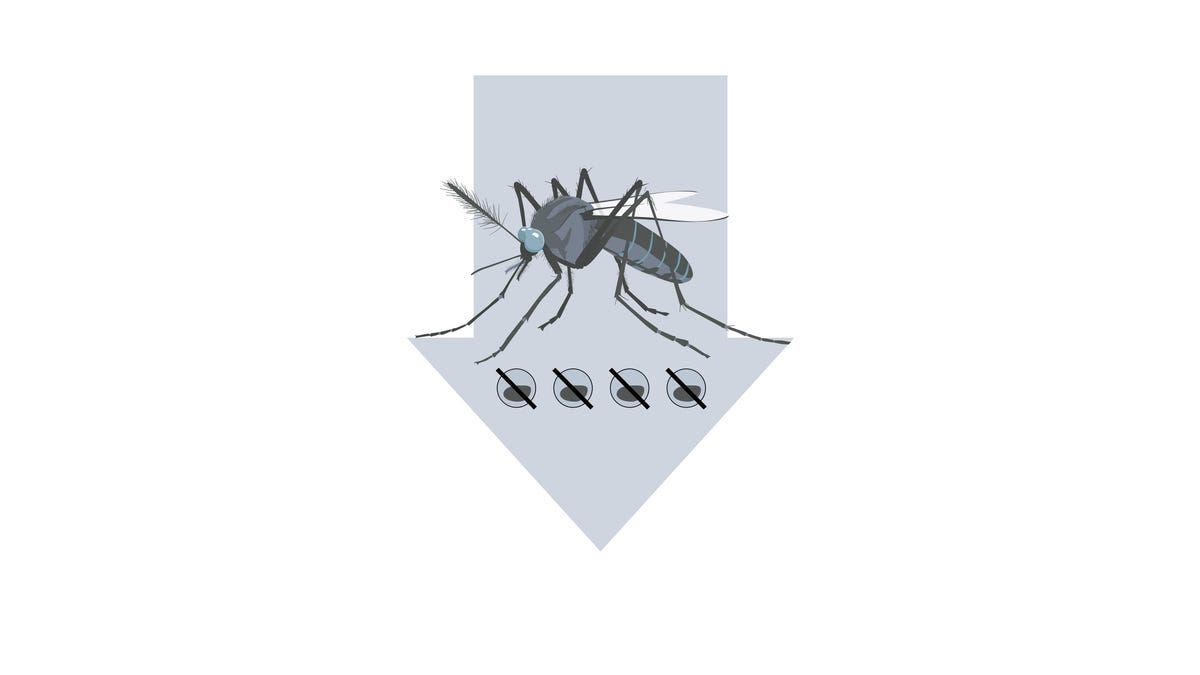
Google is asking permission to release millions of sterile male mosquitoes in California and Florida to fight West Nile virus and encephalitis. The innovative approach uses bacteria to prevent disease-carrying mosquitoes from reproducing, with no genetic modification required.
Millions of mosquitoes might sound like a nightmare, but Google's latest plan could protect communities from dangerous diseases without using a single drop of pesticide.
Google's Debug initiative is seeking EPA approval to release 64 million sterilized male mosquitoes across California and Florida over two years. The goal is to reduce populations of Culex quinquefasciatus, the southern house mosquito responsible for spreading West Nile virus and St. Louis encephalitis to more than 1,300 Americans annually.
The science behind the strategy is surprisingly simple. Male mosquitoes don't bite humans, so they can't spread disease like females do. Instead, they feed on flower nectar and seek out mates.
Debug treats these lab-bred males with Wolbachia, a common bacteria found naturally in insects worldwide. When these treated males mate with wild females that lack the bacteria, the eggs won't hatch. Fewer mosquitoes means fewer bites and less disease.
The bacteria doesn't harm people or animals, and the mosquitoes aren't genetically modified. When an insect dies, the Wolbachia dies and decomposes with it.
Each state would receive 16 million mosquitoes in year one, followed by another 16 million in year two. The specific cities and release dates haven't been announced yet.
The Ripple Effect
This approach is already proving successful around the globe. Similar releases targeting yellow fever mosquitoes have worked in Texas, California, Singapore, Thailand, Mexico, and Australia.
The World Mosquito Program uses a related technique called the replacement method. Instead of suppressing populations, they replace wild mosquitoes with ones carrying Wolbachia that can't transmit dengue, Zika, chikungunya, or yellow fever.
"Wolbachia works in two ways," explains Gregor Devine, senior scientific director of the World Mosquito Program. The bacteria boosts the mosquito's immune system while competing against viruses for essential molecules like cholesterol, making it nearly impossible for diseases to take hold.
The technology offers a cleaner alternative to pesticides, though it requires significant infrastructure. Insects must be bred, chilled, sorted, packed, transported, and released in large numbers to be effective.
Debug launched in 2016 as part of Verily, the life sciences subsidiary of Google's parent company Alphabet. The project represents a growing movement toward biological solutions for public health challenges.
The public can submit comments on the EPA's proposal through June 5th, giving communities a voice in this innovative disease prevention effort.
Fighting mosquitoes with more mosquitoes might seem backwards, but science is proving that sometimes the best solutions come from working with nature instead of against it.
Based on reporting by Google News - Health
This story was written by BrightWire based on verified news reports.
Spread the positivity!
Share this good news with someone who needs it