Google's AI Helps Doctors Catch 25% More Breast Cancers
Google Research is using AI to help doctors spot breast cancer cases that human experts miss, catching an additional 25% of cases in NHS trials. The technology is already saving people from blindness in Thailand and India by diagnosing eye disease in two minutes.
Imagine sitting in front of a machine for two minutes and receiving a diagnosis that saves your vision. In Bangkok, this is already happening.
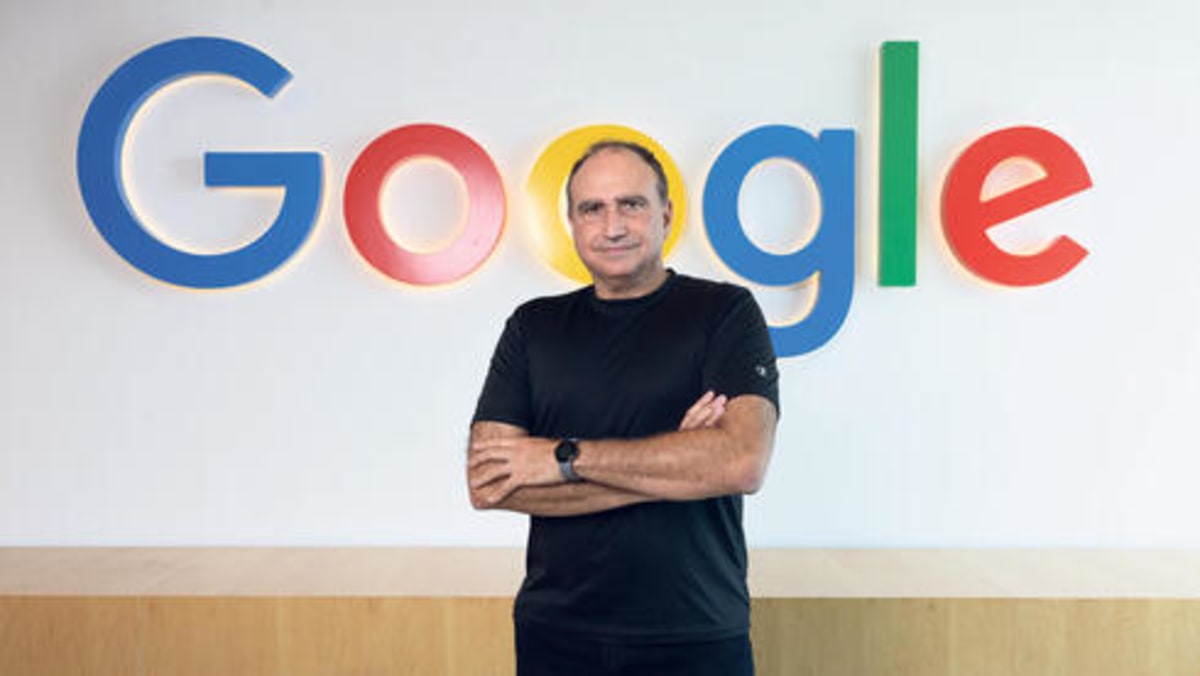
Prof. Yossi Matias, head of Google Research, is watching his vision of AI-assisted medicine become everyday reality. The same technology that once seemed futuristic now helps doctors catch diseases earlier and saves lives in clinics across three continents.
Ten years ago, Google published groundbreaking research showing that machine learning could identify diabetic macular edema, an eye disease that causes blindness if untreated. Today, patients in Thailand and India sit in front of screening machines that deliver potentially life-saving diagnoses in about two minutes.
The results speak louder than predictions. A recent study with England's NHS showed that AI working as a "second reader" for breast cancer mammograms identified 25% of cases that human experts initially missed.
Now Google is taking the next step. At their May developers conference, they launched three new tools designed to accelerate scientific research itself. The most promising, called Co-Scientist, helps researchers tackle a problem that's been slowing down discovery: information overload.
Scientists today face an explosion of published papers. Reading and synthesizing hundreds or even thousands of relevant studies exceeds human capacity. Co-Scientist doesn't just summarize articles. It conducts full literature reviews, generates hypotheses, ranks them, and presents them back to researchers.
Matias envisions researchers becoming facilitators rather than solo workers. "Every researcher and research student will have a virtual lab," he says, describing a future where AI handles the groundwork while humans provide the irreplaceable element: scientific judgment.
The Ripple Effect
The shift is already visible in how quickly AI technology moves from breakthrough to background. Matias rides to work in autonomous Waymo vehicles that once seemed impossible. Now they're just robotaxis with safety statistics that speak for themselves.
The same pattern is unfolding in medicine. What began as experimental AI diagnosis is becoming standard care in clinics worldwide. Each successful deployment creates a foundation for the next breakthrough.
The broader impact extends beyond individual patients. By accelerating the pace of scientific discovery itself, AI could help researchers tackle humanity's biggest health challenges faster. The technology isn't replacing doctors or scientists. It's giving them superhuman assistance in tasks that were always limited by time and human capacity.
As Matias puts it, "The role of humans is greater than ever." AI can review 100,000 papers, but it cannot replace the judgment, creativity, and wisdom that turn data into medical breakthroughs.
The future of science isn't humans versus machines. It's humans empowered by machines, working together to solve problems faster than either could alone.
Based on reporting by Google: scientific discovery
This story was written by BrightWire based on verified news reports.
Spread the positivity!
Share this good news with someone who needs it