Google's Minnesota Data Center Gets World's Largest Battery
Google is building a data center in Minnesota that won't raise anyone's electric bills. The tech giant is funding massive new clean energy projects, including a groundbreaking battery that stores power for 100 hours instead of the usual few.
When tech companies build data centers, local residents often see their electricity bills climb as aging coal plants struggle to keep up. But Google just showed there's a better way.
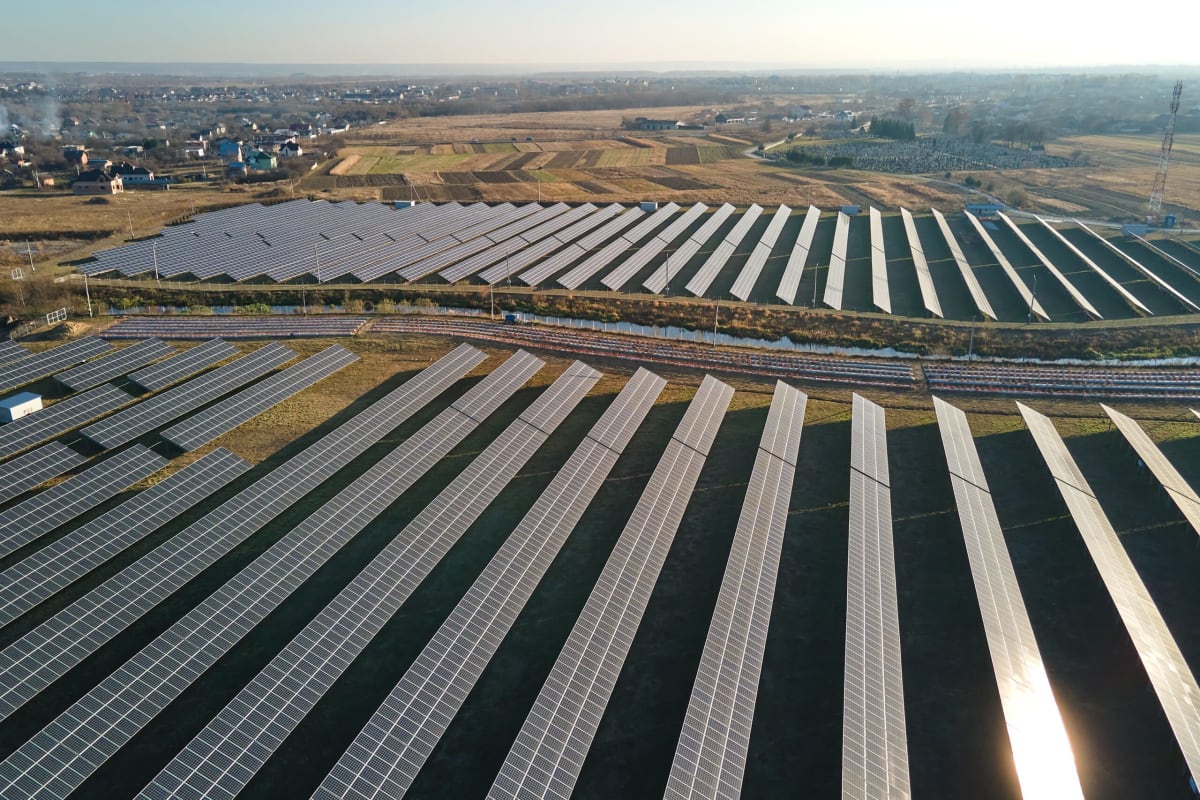
The company announced plans to build a data center in Pine Island, Minnesota, while paying for all the clean energy it needs. Google struck a deal with local utility Xcel Energy to fund 1,900 megawatts of new renewable power, including 1,400 megawatts of wind and 200 megawatts of solar.
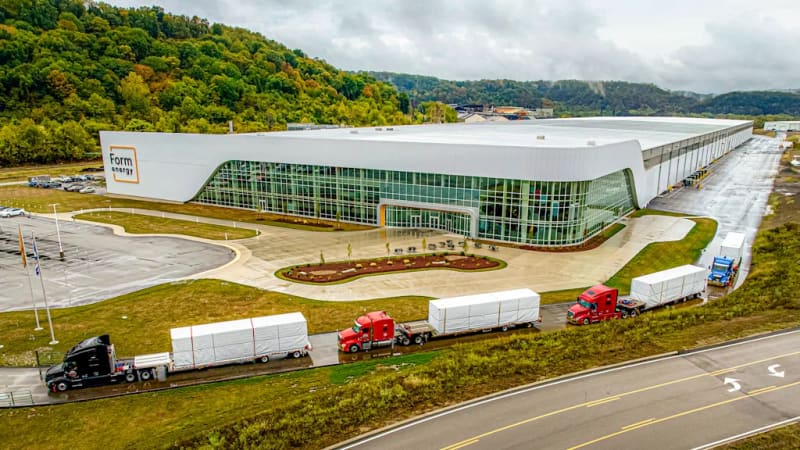
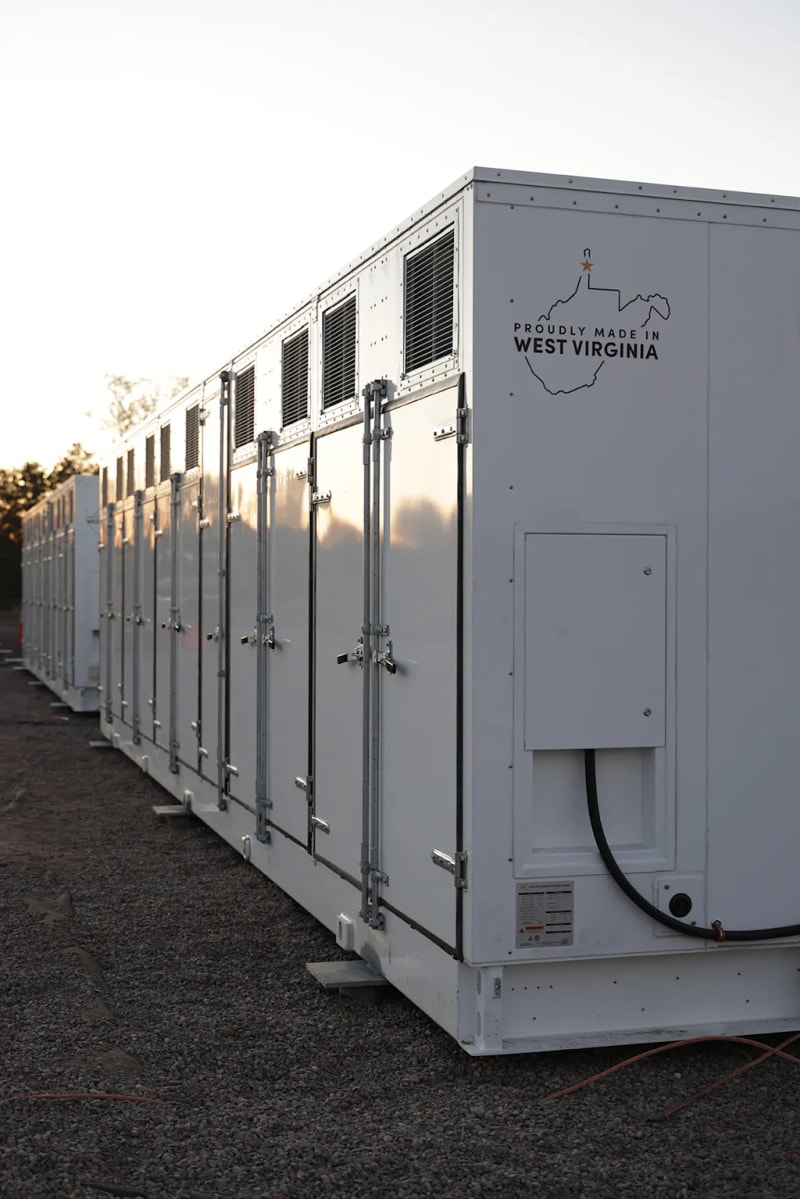
The project includes something even more exciting: the world's largest battery by storage capacity. Built by startup Form Energy, the battery uses innovative iron-air technology that essentially makes iron rust and un-rust to store energy for up to 100 hours.
That's a game changer. Most batteries today can only store power for a few hours, making it hard to rely on solar and wind during cloudy, windless stretches. This new battery can deliver 300 megawatts of power and store 30 gigawatt-hours of energy. That's more storage than every battery project built across America in 2024 combined.
"Google has long been committed to scaling our infrastructure responsibly, which includes paying for the electricity and associated costs of our growth," said Lucia Tian, Google's head of advanced energy technologies. "Investing in the systems that make our communities more resilient is table stakes for us."
The approach mirrors what Google did in Nevada, where it funded a next-generation geothermal plant that was too expensive for the utility to build alone. Now other companies are taking notice as the White House meets with tech giants this week about shouldering more of their own energy demands.
The Ripple Effect
This project does more than power one data center. It proves that companies can grow without burdening local communities or locking regions into outdated fossil fuel plants.
The iron-air battery technology is cost-competitive with natural gas, making it viable for utilities beyond this single project. Xcel Energy noted the battery will help maximize renewable energy during extended periods of low wind and sun, like cloudy winter weeks in Minnesota.
Form Energy's technology could reshape how America stores clean energy. By proving the battery works at massive scale in Minnesota, other utilities nationwide may follow suit, replacing gas plants with long-duration storage that keeps the lights on without emissions.
Meanwhile, Pine Island residents get something rare: economic growth without higher utility bills or pollution.
The project shows tech companies can be partners in the clean energy transition, not just consumers demanding more power from stressed grids.
More Images

Based on reporting by Fast Company - Innovation
This story was written by BrightWire based on verified news reports.
Spread the positivity!
Share this good news with someone who needs it