GPS Backpacks and Sniffer Dogs Save Europe's Hedgehogs
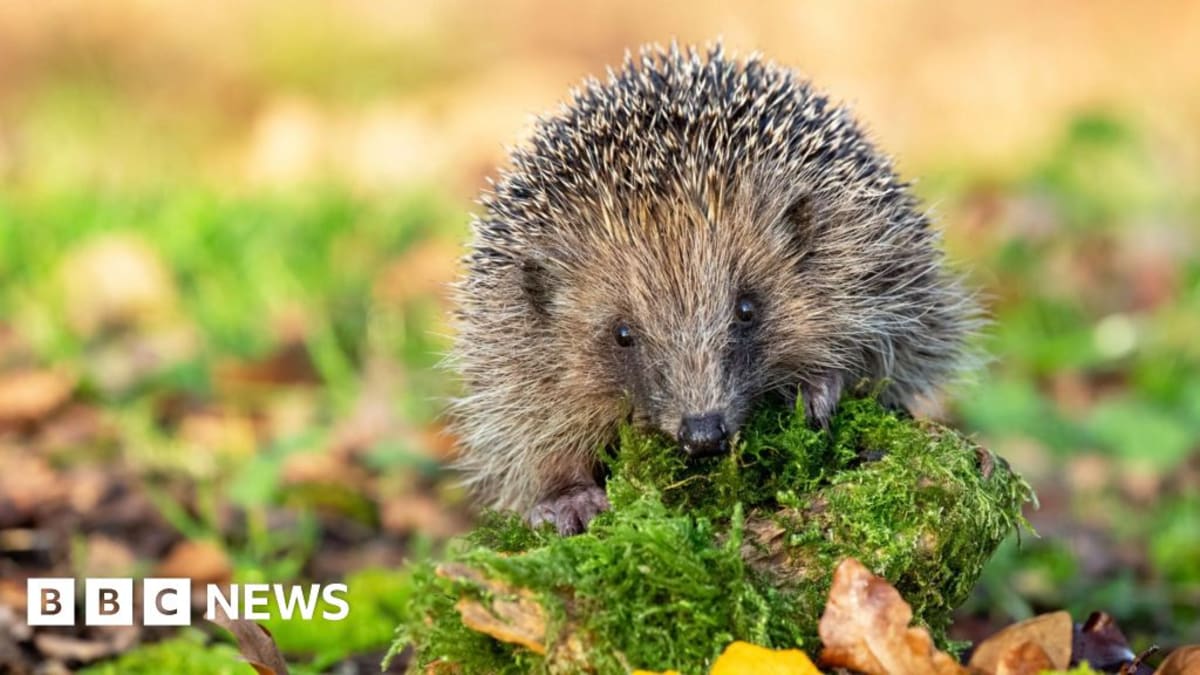
Scientists in Ireland are using tiny GPS trackers and a specially trained detection dog to save hedgehogs from extinction as populations plummet across Europe. The groundbreaking project reveals how urban gardens may be the last refuge for these beloved garden helpers.
A cocker spaniel named Russell just got the most adorable job in conservation: tracking hedgehogs through city streets to help save them from disappearing forever.
The common western European hedgehog has been listed as Near Threatened, with populations declining by millions since the 1950s. Now Ulster Wildlife has launched an innovative tracking project that combines tiny GPS devices with canine detective work to understand where hedgehogs go and what they need to survive.
The GPS trackers, resembling miniature backpacks, attach temporarily to male hedgehogs' spines without affecting their ability to curl into protective balls. Each night, researchers map every garden the hedgehogs pass through, every road they cross, and every spot where they find food or rest.
Recent research suggests hedgehogs are retreating from the countryside into towns and cities, making urban gardens their last safe haven. But almost nothing is known about how they navigate neighborhoods or what obstacles threaten them most.
That's where Russell comes in. The two-year-old cocker spaniel, already trained to find bat and bird remains around wind farms, now helps locate hedgehogs that don't visit feeding stations and tracks down lost GPS tags when they stop transmitting signals.
His handler, Patrice Kerrigan of Conservation Detection Dogs NI, explains that current data only captures hedgehogs visiting artificial feeders. Russell's nose will reveal what the rest of the population is doing, providing a complete picture of their movements.
The Ripple Effect
The data collected will help homeowners create "hedgehog highways" through their gardens. These simple modifications, like small gaps in fences, let hedgehogs travel up to 3 kilometers each night across their 20-hectare home ranges in search of food and mates.
Katy Bell, senior conservation officer with Ulster Wildlife, says habitat loss and food scarcity drive the decline. Modern gardens with strimmers, electric mowers, slug pellets, and barriers prevent hedgehogs from thriving, even though they're "the gardener's friend" who naturally control slugs and pests.
Simple changes can reverse this trend. Maureen Carvill, Ulster Wildlife's gardening officer, recommends shallow water dishes, log piles that attract insects, and pollinator-friendly plants marked with the RHS bee logo. These small steps create food chains that support hedgehog populations while making gardens more beautiful and biodiverse.
The project provides Northern Ireland's first specific data on hedgehog movements, information that will shape conservation efforts for years to come. Every garden that becomes hedgehog-friendly creates a stepping stone in a network of urban wildlife corridors, turning neighborhoods into sanctuaries for these charming nighttime visitors.
One tracking device and one talented dog are proving that sometimes the smallest tools create the biggest impact for conservation.
More Images



Based on reporting by BBC Science
This story was written by BrightWire based on verified news reports.
Spread the positivity!
Share this good news with someone who needs it