GPS Collars Save Jersey Shepherds Hours of Cliff Work
Brothers in Jersey are revolutionizing livestock management with GPS collars that create invisible fences, eliminating hours of hauling equipment up steep cliffs. The technology is now being tested on cows to help rewild new parts of the island.
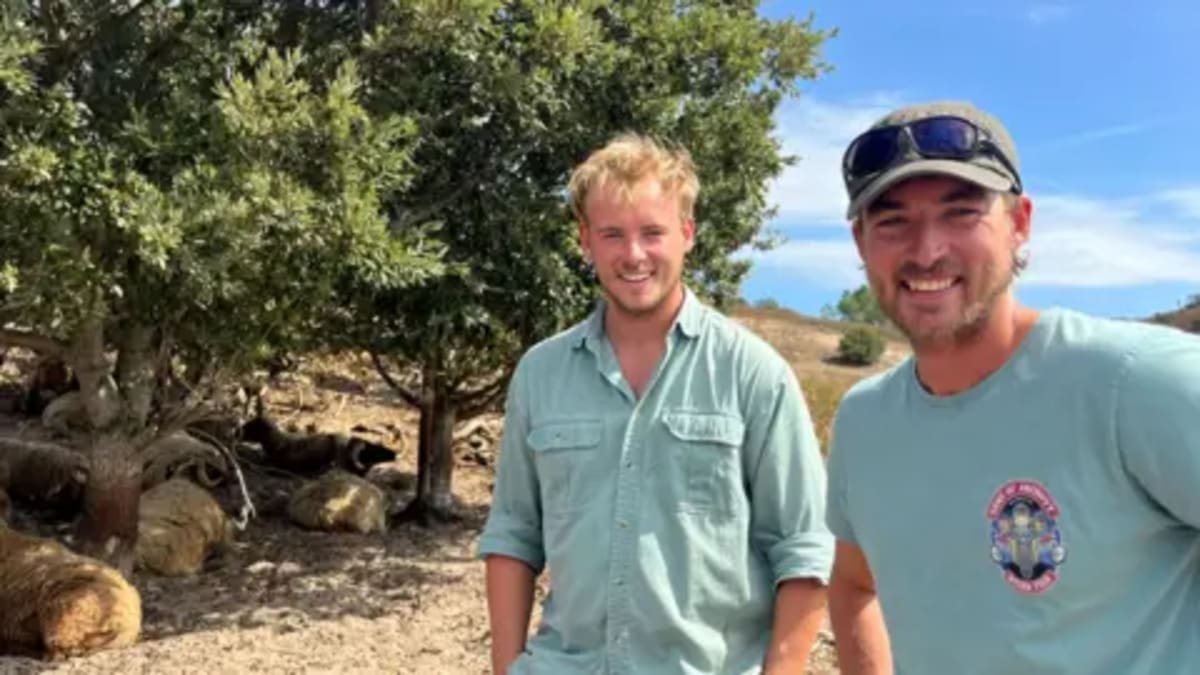
Imagine hauling fence posts, wire, and heavy batteries up and down steep coastal cliffs every single day. For Jersey shepherds Josh and Ben Voak, that exhausting routine is now a thing of the past.
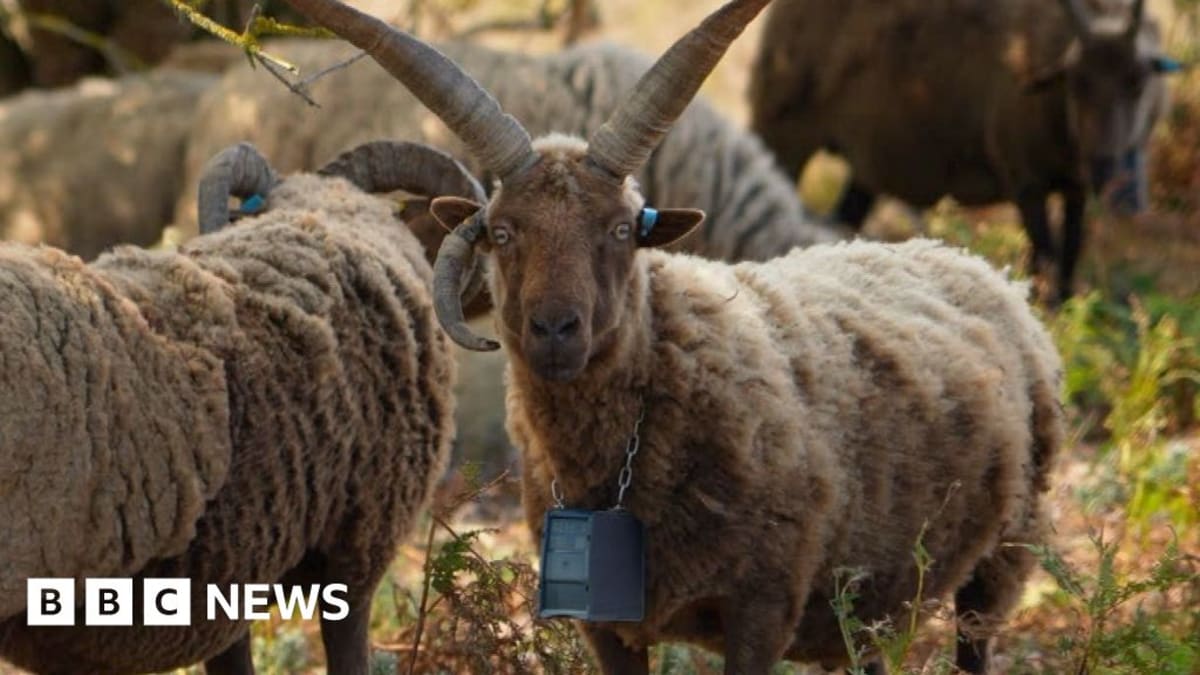
The brothers work with The Grazing Project, a conservation initiative that's pioneered the use of GPS collars on large flocks of sheep grazing Jersey's dramatic cliffsides. After three years of success with 150 collars managing 600 sheep, they're now training four cows to use the technology too.
The collars work by creating an invisible boundary that shepherds draw on a smartphone app. When an animal approaches the edge, the collar delivers an audio warning followed by a mild electric shock to guide them back. The Norwegian technology has been tested extensively across the UK and recently appeared on Jeremy Clarkson's farm documentary.
"We used to lay electric fencing before the GPS collars came in," Josh explains. "That means lugging fence poles, wire, batteries up and down the cliff. It could take hours."
Now the brothers simply upload a boundary to their app, release the sheep, and they're done. The technology has opened up previously unmanageable areas like steep cliffs and zones heavy with bracken or gorse. Every morning, they can track and count their entire flock from their phones instead of spending hours searching rough terrain.
The Ripple Effect
The project's success with such a large number of collars has caught attention across the farming community. Ben says they regularly speak with farmers struggling with escape-artist sheep who see the technology as a game changer.
The feedback loop works both ways. When the brothers encounter issues, Norwegian manufacturer Nofence quickly incorporates their suggestions into improved collar designs, creating better straps and chains that make the system more reliable for large-scale operations.
Training cows to wear the collars marks an exciting new chapter. Ben explains that using sheep and cows together could help rewild new parts of Jersey, particularly wetland sites and coastal areas not suitable for cliff grazing. The trial period will determine how well the two species can work side by side with the technology.
For shepherds who've spent years battling gravity and geography, the future looks remarkably lighter.
More Images

Based on reporting by BBC Science
This story was written by BrightWire based on verified news reports.
Spread the positivity!
Share this good news with someone who needs it