Grad Student Finds Lost Maya City on Google Page 16
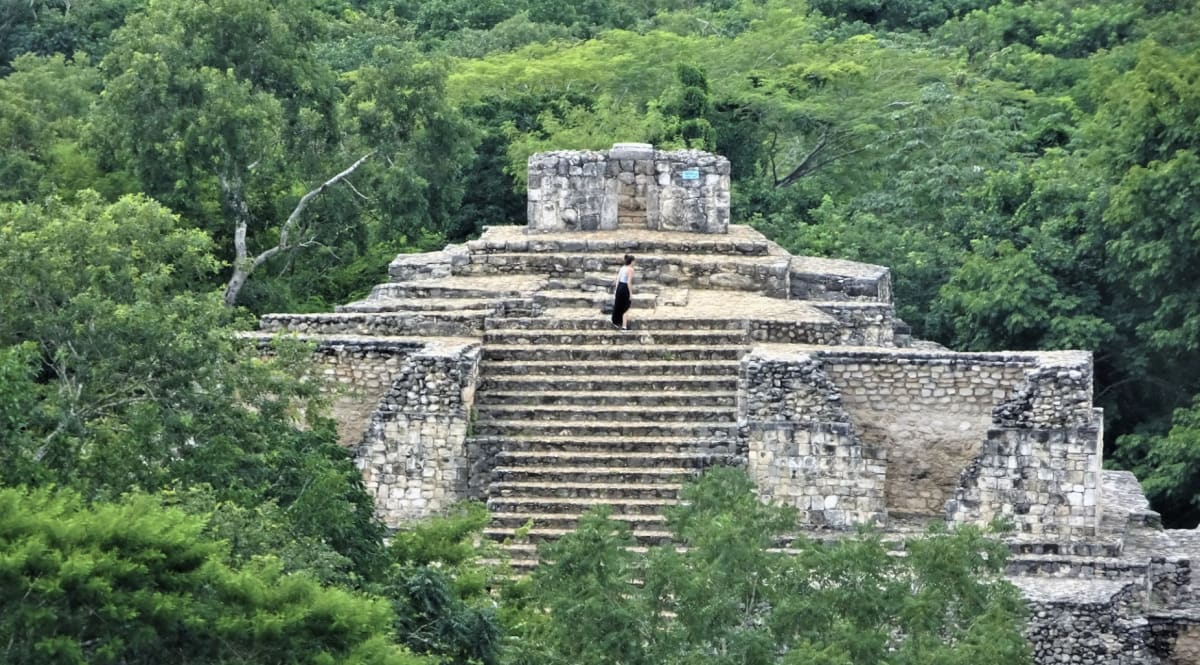
A bored PhD student scrolling deep into Google search results stumbled upon laser data that revealed an entire ancient Mayan city hidden under Mexican jungle for centuries. The metropolis once housed up to 50,000 people and nobody knew it was there.
Luke Auld-Thomas made one of archaeology's biggest recent discoveries without leaving his desk or touching a shovel.
The Tulane University PhD student was clicking through Google search results when he hit page 16. Most people never scroll that far, but Auld-Thomas kept going and found something extraordinary: a laser survey done by a Mexican environmental organization that accidentally mapped an entire lost Mayan city.
The survey used LiDAR technology, which fires laser pulses from planes to measure ground distances. When researchers digitally stripped away the tree canopy from the data, pyramids, sports fields, amphitheaters, and thousands of structures appeared beneath the forest in Campeche, Mexico.
The Mexican organization had been monitoring the environment. They had no idea they'd flown over a lost civilization.
Auld-Thomas and his team named the city Valeriana, after a nearby lagoon. The numbers are staggering: between 750 and 850 AD, this metropolis housed 30,000 to 50,000 people, more than live in that region today.
Valeriana's density ranks second only to Calakmul, the largest known Mayan site in Latin America. Researchers believe it may have served as a capital city.
Professor Marcello Canuto, who co-authored the research, said the discovery challenges old Western assumptions that tropical regions were places "where civilization went to die." The opposite is true: these environments hosted sophisticated, densely populated urban centers.
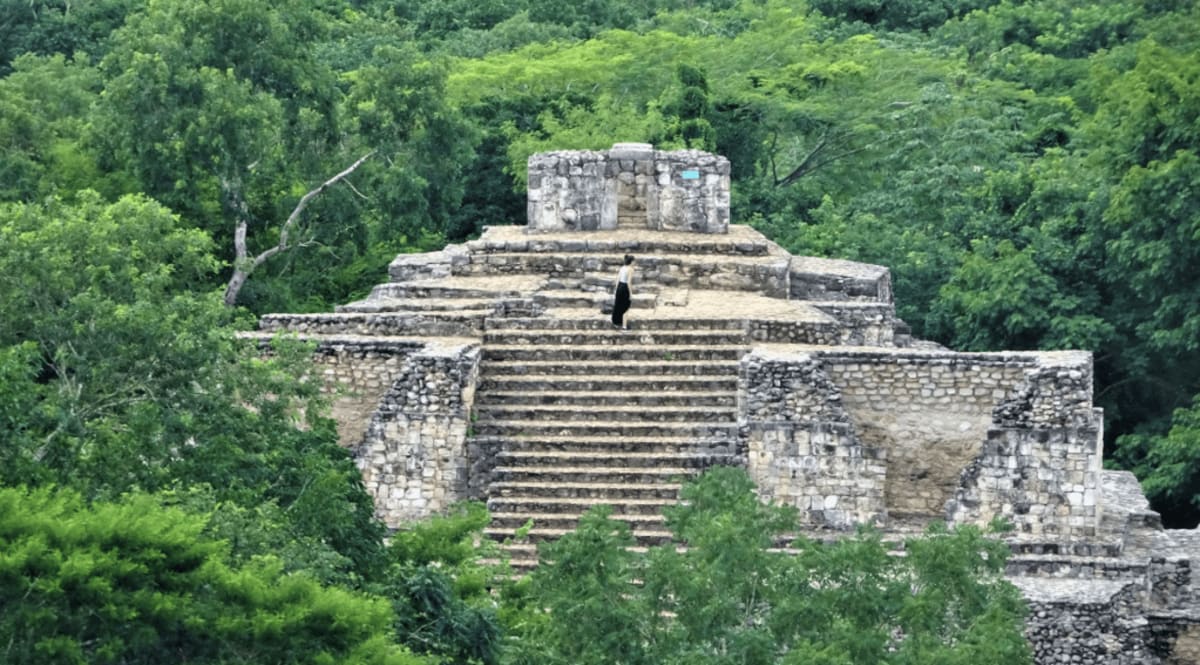
Across three jungle sites the team surveyed, they identified over 6,674 buildings. Nobody has physically visited Valeriana yet, so no photographs exist, only the ghostly laser outlines of a city frozen in time.
Why This Inspires
This discovery proves that revolutionary findings don't always require expensive expeditions or years in the field. Sometimes they just need someone curious enough to keep clicking.
LiDAR has been quietly rewriting our understanding of ancient civilizations for over a decade. Researchers used the same technology to reveal massive urban networks around Angkor in Cambodia and over 60,000 structures in the Guatemalan jungle.
The real revelation is how much we still don't know. The data that revealed Valeriana was just sitting online, waiting for someone to look closely enough.
Professor Elizabeth Graham of University College London emphasized that landscapes appearing wild and uninhabited today were actually bustling with life centuries ago. Canuto hopes to double LiDAR coverage over the next 10 to 20 years.
That means more lost cities are almost certainly out there, hidden under jungle canopy, waiting for the next researcher willing to scroll a little further.
More Images


Based on reporting by Upworthy
This story was written by BrightWire based on verified news reports.
Spread the positivity!
Share this good news with someone who needs it