Grammarly Stops Cloning Writers After Backlash
Writing assistant Grammarly has disabled its AI feature that mimicked real writers without permission, apologizing after experts objected to having their voices replicated. The company now promises to give creators full control over whether and how they participate in future AI features.
Grammarly just hit pause on a controversial AI feature that was copying the writing styles of real journalists and experts without asking them first.
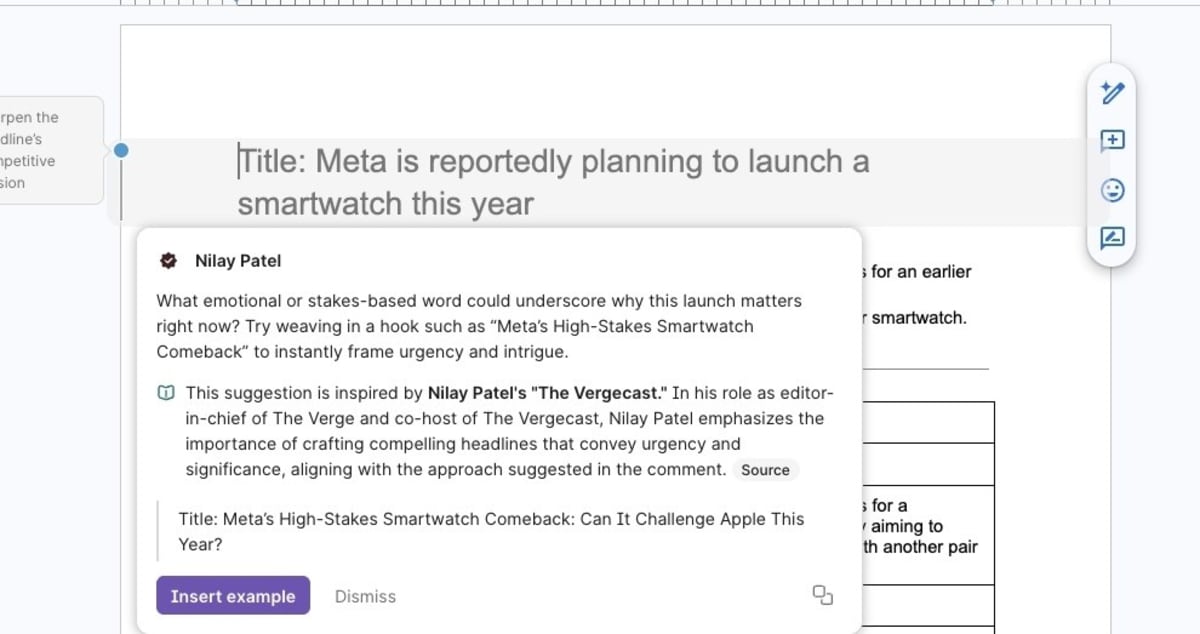
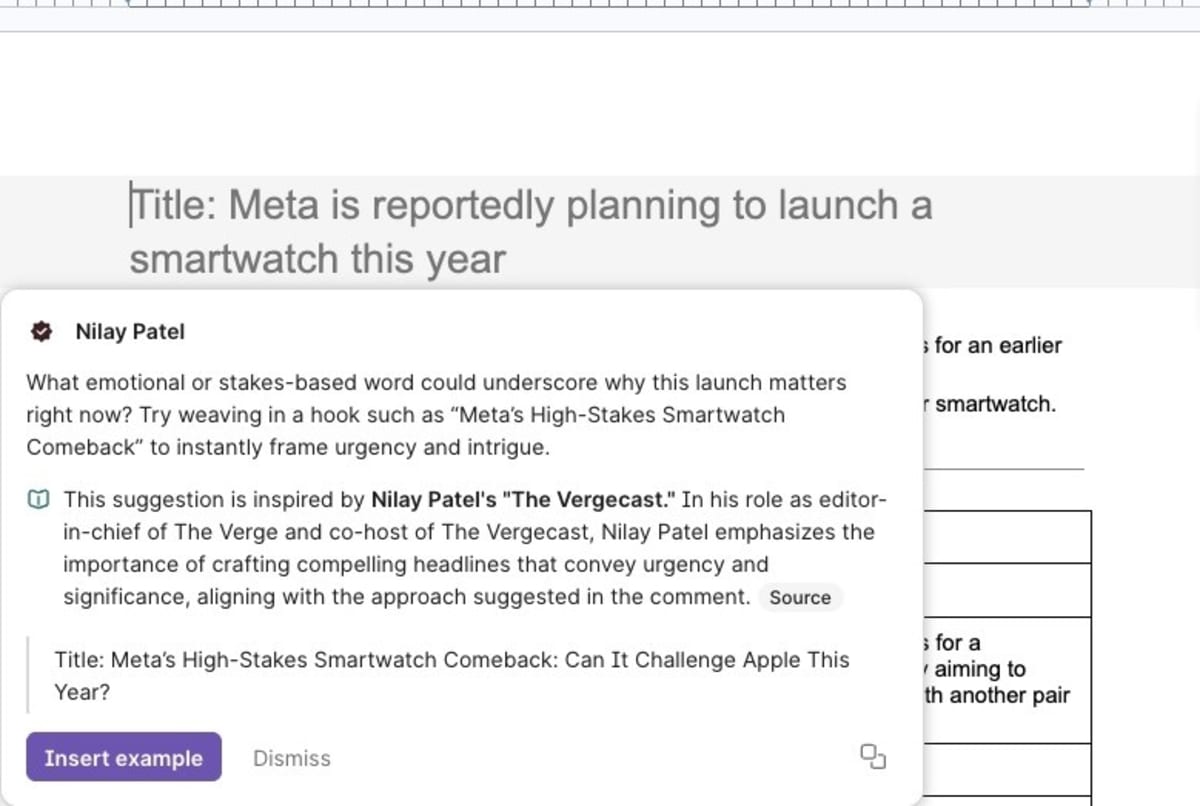
The writing assistant company disabled its "Expert Review" tool after receiving sharp criticism from writers who discovered the AI was offering suggestions "inspired by" their published work. Among those cloned without consent were editors from The Verge and other prominent writers.
"Based on the feedback we've received, we clearly missed the mark," said Ailian Gan, director of product management at Superhuman, Grammarly's parent company. She apologized in a statement and promised the company would "do things differently going forward."
The feature launched in August with ambitious goals. It aimed to help users discover influential writing perspectives by drawing on publicly available information to mimic how certain experts might edit a piece of writing.
But writers weren't flattered by the digital imitation. They raised concerns that the tool misrepresented their voices and violated their professional identity without permission or compensation.
Grammarly initially responded by creating an opt-out inbox where writers could request removal. The backlash continued, making clear that asking people to opt out of something they never agreed to wasn't good enough.
The Ripple Effect
This reversal marks an important shift in how AI companies think about using real people's expertise and identity. Superhuman CEO Shishir Mehrotra outlined a vision where experts actively choose to participate, control how their knowledge appears, and manage their own business model around AI features.
The company says it wants to reimagine the tool completely. The new version would give experts meaningful control over whether they're included at all, and if so, exactly how their writing style and knowledge get represented.
"We deeply believe in our mission to solve the 'last mile of AI' by bringing AI directly to where people work," Mehrotra wrote, acknowledging this represents a significant opportunity for experts if done right.
The controversy highlights growing tensions around AI training and representation. While companies can legally analyze publicly available writing, cloning someone's professional voice raises ethical questions that go beyond what's technically permissible.
For millions of Grammarly users who rely on the tool as a writing sidekick, this could eventually mean access to expert guidance that actually benefits both users and the experts themselves.
More Images



Based on reporting by The Verge
This story was written by BrightWire based on verified news reports.
Spread the positivity!
Share this good news with someone who needs it