Grandmother Defied 1950s Norms as Artist and Mother
A new art exhibition celebrates Mirka Mora, a Holocaust survivor who rejected 1950s conformity to become both a devoted mother and groundbreaking Australian modernist artist. Her granddaughter now curates a show honoring the radical artists who shaped Australia's creative revolution.
In 1950s Australia, women faced an impossible choice: be a mother or pursue your dreams. Mirka Mora refused to choose, and her rebellious spirit helped birth an entire artistic movement.
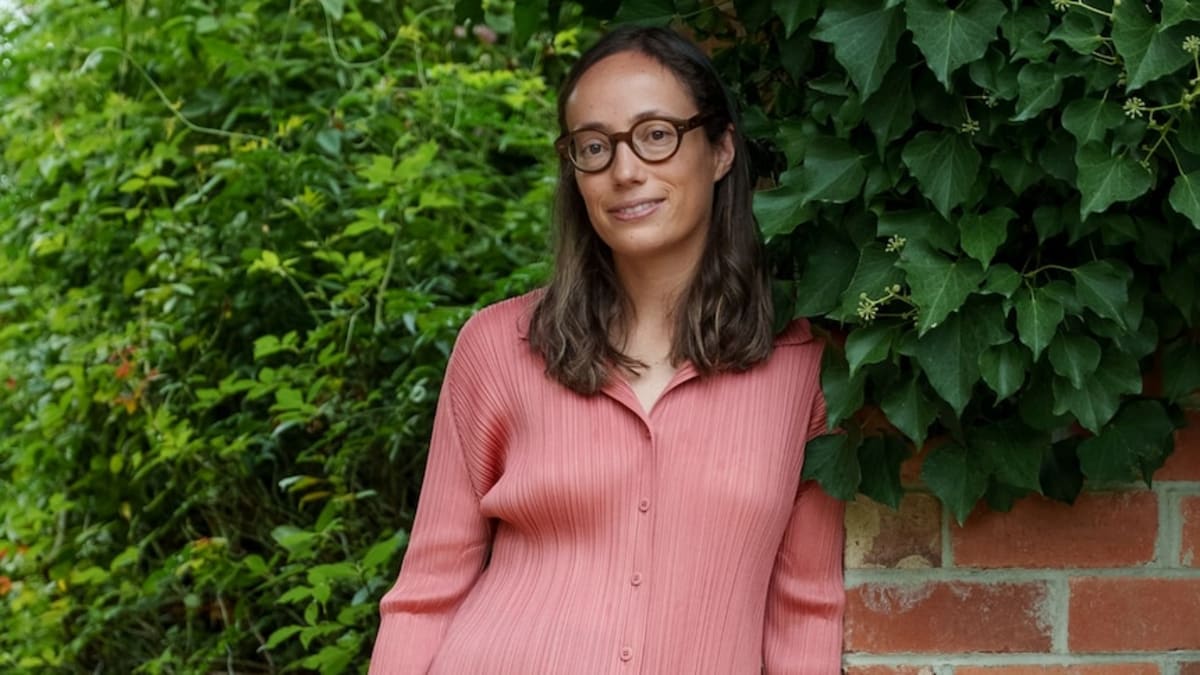
Now her granddaughter Lily is celebrating that legacy with "Always Modern: Radical Nurture" at Melbourne's Heide Museum of Modern Art. The exhibition features over 60 works exploring how a tight-knit community of artists supported each other in ways that shocked conservative 1950s society.
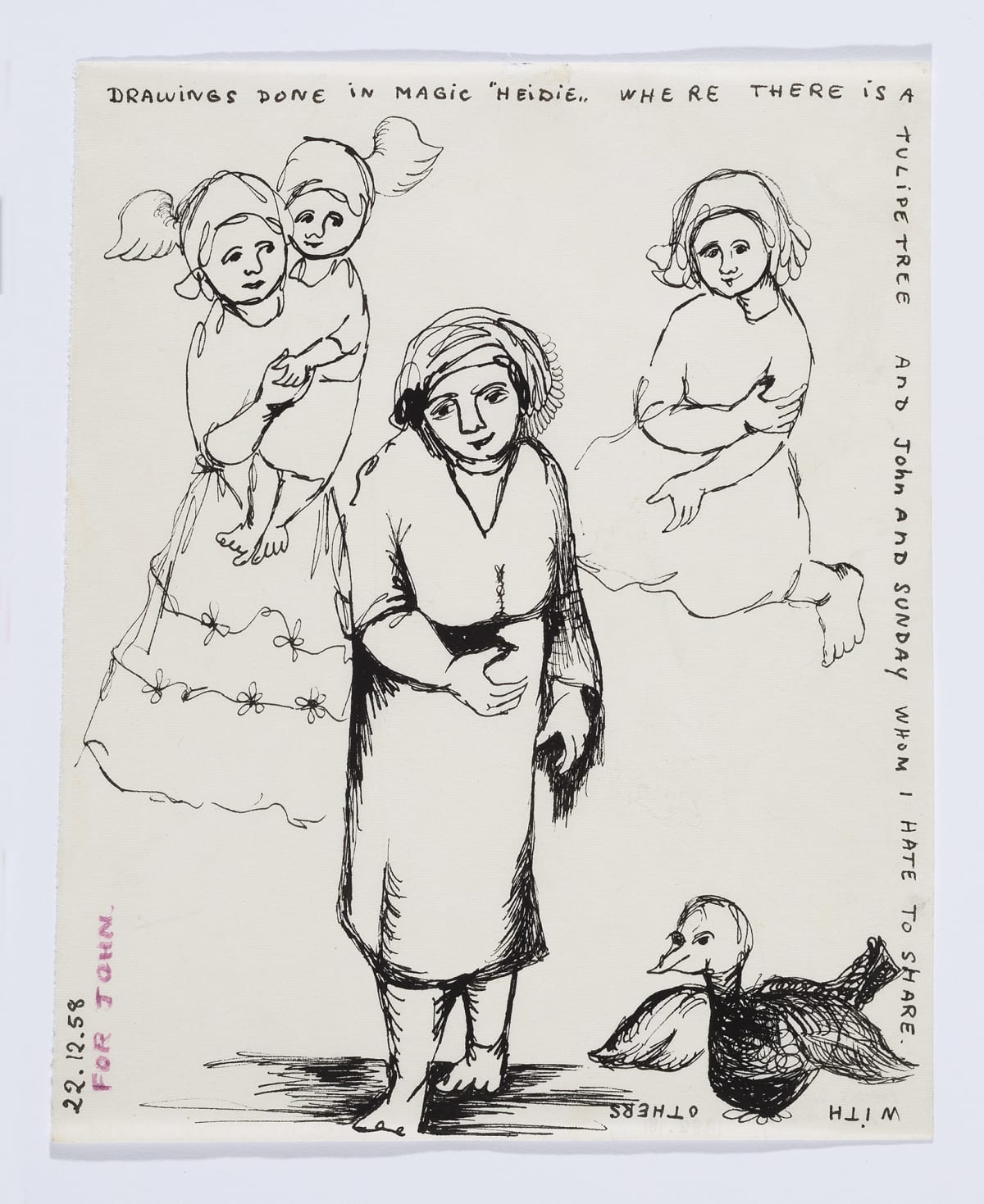
Mirka arrived in Australia from France in 1951 with her husband Georges, a Holocaust survivor carrying trauma but refusing to let it dim her creative fire. She quickly joined the Heide Circle, a group of bohemian artists who gathered at a former dairy farm owned by patrons John and Sunday Reed.
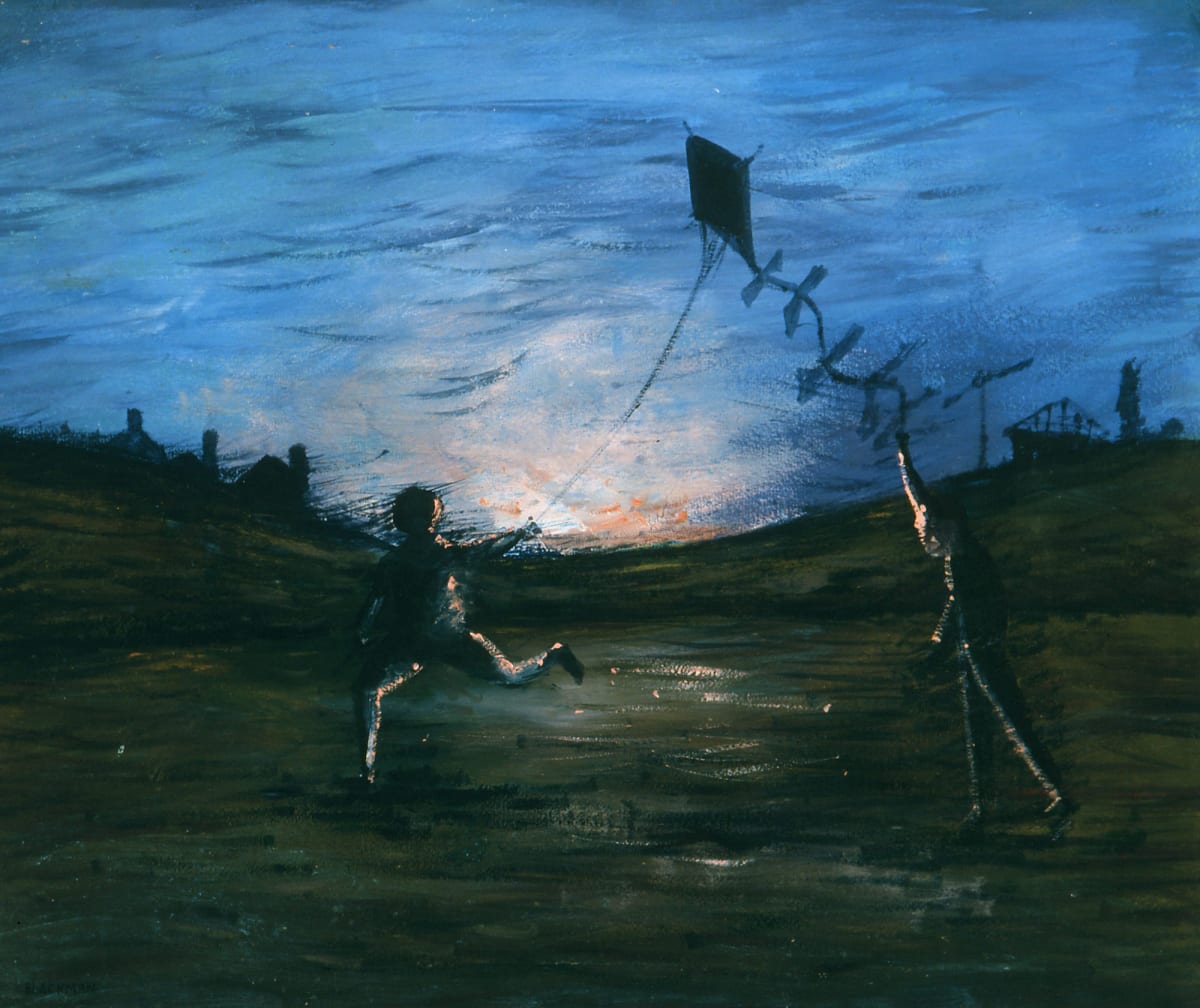
The Reeds did something revolutionary for their time. They gave struggling artists food, shelter, and financial support when no one else believed in them. Their generosity helped launch careers of now-famous painters like Sidney Nolan and Charles Blackman.
But Mirka's real rebellion was personal. While society insisted mothers stay home and sacrifice their identities, she painted with her children watching. She taught them pranks in restaurants and invited them under tables to tie strangers' shoelaces together.
"She wanted her children to see her as a person first and a mother second, which I think is really radical for her time," Lily says. Mirka spoke of her children as "indistinguishable from her soul," yet she unapologetically prioritized her art as central to her identity.
Why This Inspires
Mirka's story matters because she proved a truth society wasn't ready to hear: women don't have to choose between nurturing others and nurturing themselves. Her cherub-like paintings of mothers and babies show love alongside ambition, care woven through creativity.
The exhibition also honors Joy Hester, another artist mother who painted a moving portrait of her son Sweeney while battling lymphoma. When she could no longer care for him, the Reeds adopted Sweeney, showing how the Heide community reimagined family itself.
Lily, now a mother and founder of online art platform Sunday Salon, sees new meaning in her grandmother's choices. She grew up watching Mirka work, learning that motherhood expands rather than erases identity.
Mirka died in 2018 at 90, leaving behind a legacy of playful rebellion captured in her memoir "Wicked but Virtuous." Her art hangs in galleries across Australia, proof that refusing to conform can change culture forever.
Seven decades after Mirka joined the Heide Circle, her granddaughter stands in the same museum celebrating the artists who dared to live and create on their own terms.
More Images

Based on reporting by ABC Australia
This story was written by BrightWire based on verified news reports.
Spread the positivity!
Share this good news with someone who needs it