Great Lakes Could Power 3X Current Electricity Needs
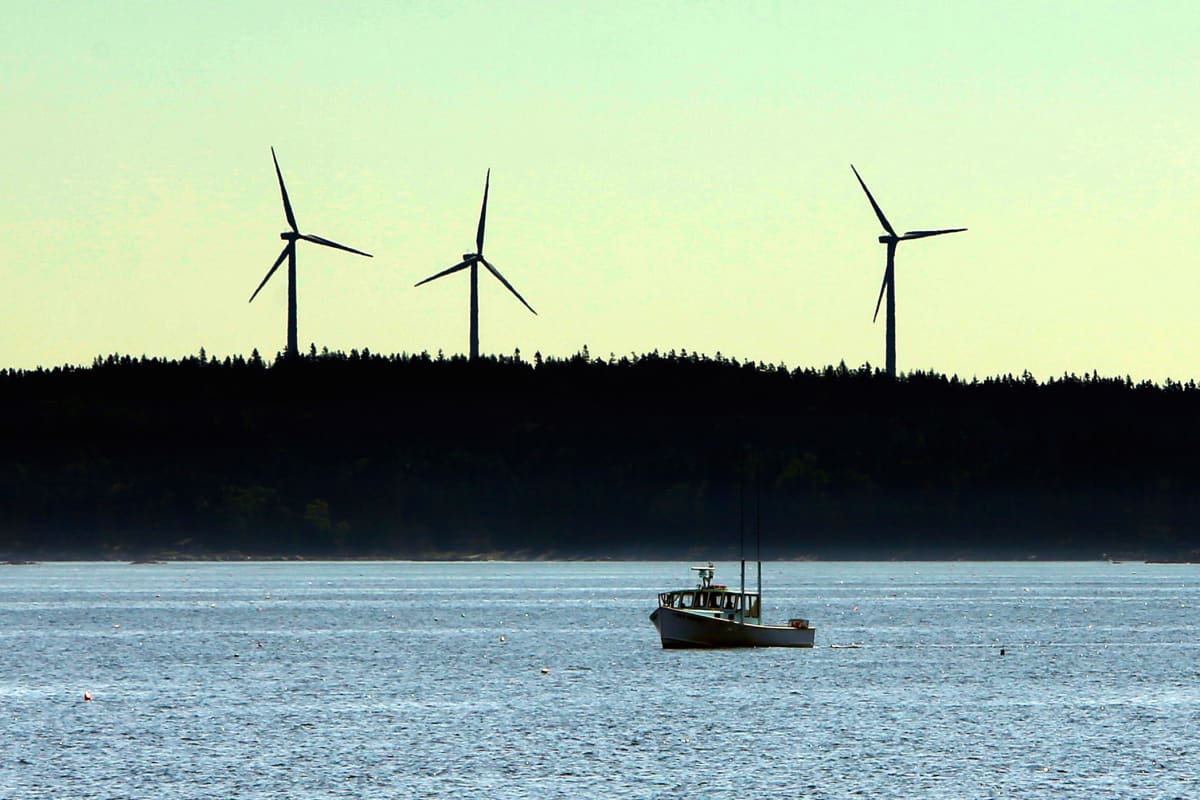
The Great Lakes have enough wind potential to generate three times what surrounding states currently use. Despite strong winds and state control over lakebeds, zero turbines exist there today.
The Great Lakes hold enough wind energy to power their surrounding states three times over, yet not a single turbine spins above those waters.
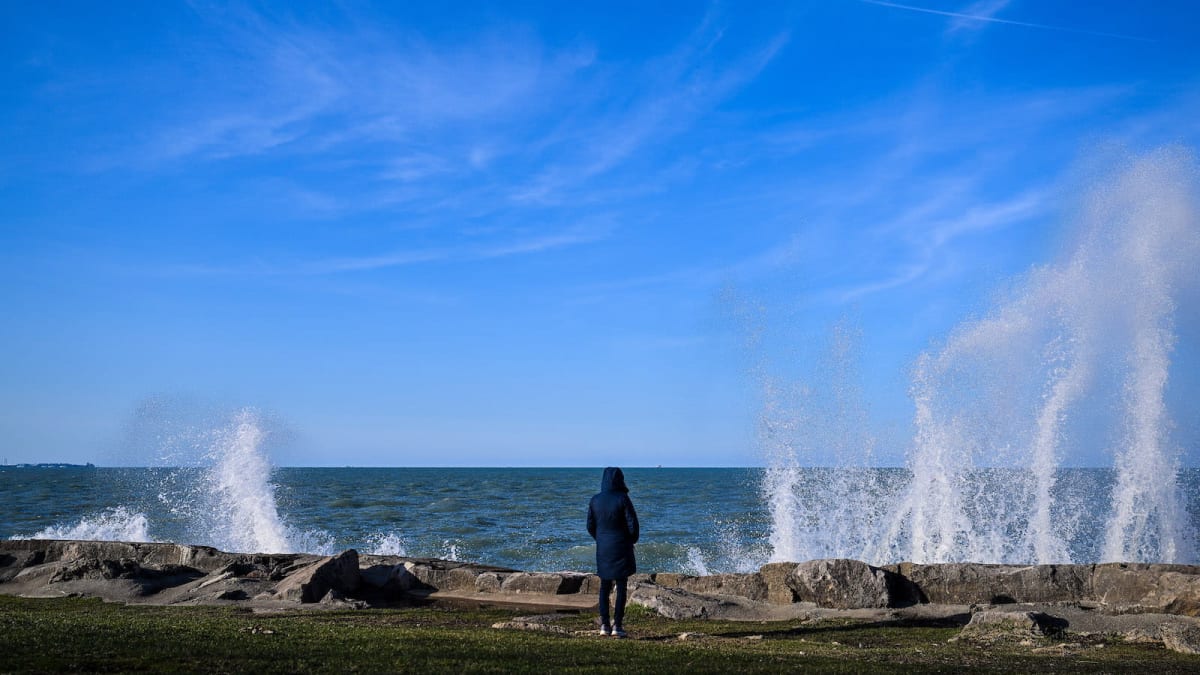
These five massive freshwater lakes offer something rare: stronger, steadier winds than land and state control over the lakebeds where turbines would stand. The National Laboratory of the Rockies confirms the math looks amazing.
"If it's done correctly and we're able to harness even a fraction of that, we could offset a lot of electricity demand," said Melissa Scanlan, director of the Center for Water Policy at the University of Wisconsin-Milwaukee. The potential sits right there, larger than New England, New York, and New Jersey combined.
So why aren't these lakes producing clean energy? The answer isn't simple, but it's solvable.
The region lacks the specialized ships, ports, and infrastructure that East Coast states have built for offshore wind. Building in water costs more than building on land, and Great Lakes states haven't yet created streamlined permitting processes to guide developers through the maze of approvals.
Ohio tried once with the Icebreaker Wind project on Lake Erie. After years battling regulators and court cases over wildlife impacts, developers ran out of money in 2023. That setback spooked other potential investors.
Illinois Representative Marcus Evans Jr. has championed legislation for years to launch the Great Lakes' first offshore wind farm. His Illinois Rust Belt to Green Belt Pilot Program Act would direct state planners to seek proposals and start buying offshore wind power. The bill hasn't gained enough traction yet, but Evans says the idea remains important.
Jim Lanard, co-founder of Magellan Wind, an offshore wind developer focused on the Great Lakes, estimates the region needs five to seven years beyond 2029 to see its first turbines. His company has temporarily paused Great Lakes work while waiting for clearer regulatory frameworks.
The Bright Side
The blueprint already exists on the East Coast, where three offshore wind farms now operate. Great Lakes states can learn from those successes and avoid early mistakes. Unlike ocean projects that face complex federal seabed rules, Great Lakes states control their own lakebeds, giving them more direct authority over development.
Several states are still exploring options. Toronto and New York previously looked at Lake Ontario and Lake Erie projects. The interest hasn't disappeared; it's waiting for the right combination of infrastructure investment and regulatory clarity.
The clean energy potential isn't going anywhere, and neither is the need for it.
More Images



Based on reporting by Grist
This story was written by BrightWire based on verified news reports.
Spread the positivity!
Share this good news with someone who needs it