Great Lakes Needs Your Help Measuring Ice This Winter
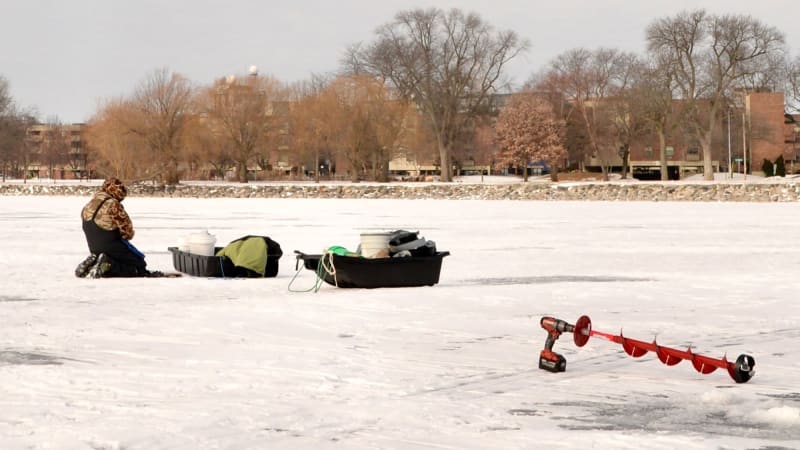
Scientists are asking everyday people to help measure ice thickness on the Great Lakes, turning winter enthusiasts into citizen scientists who are improving climate research. Middle schoolers, ice fishers, and boat captains are already joining in.
Scientists at the Great Lakes Observing System have figured out something clever: the people who spend the most time on frozen lakes know things satellites can't see.
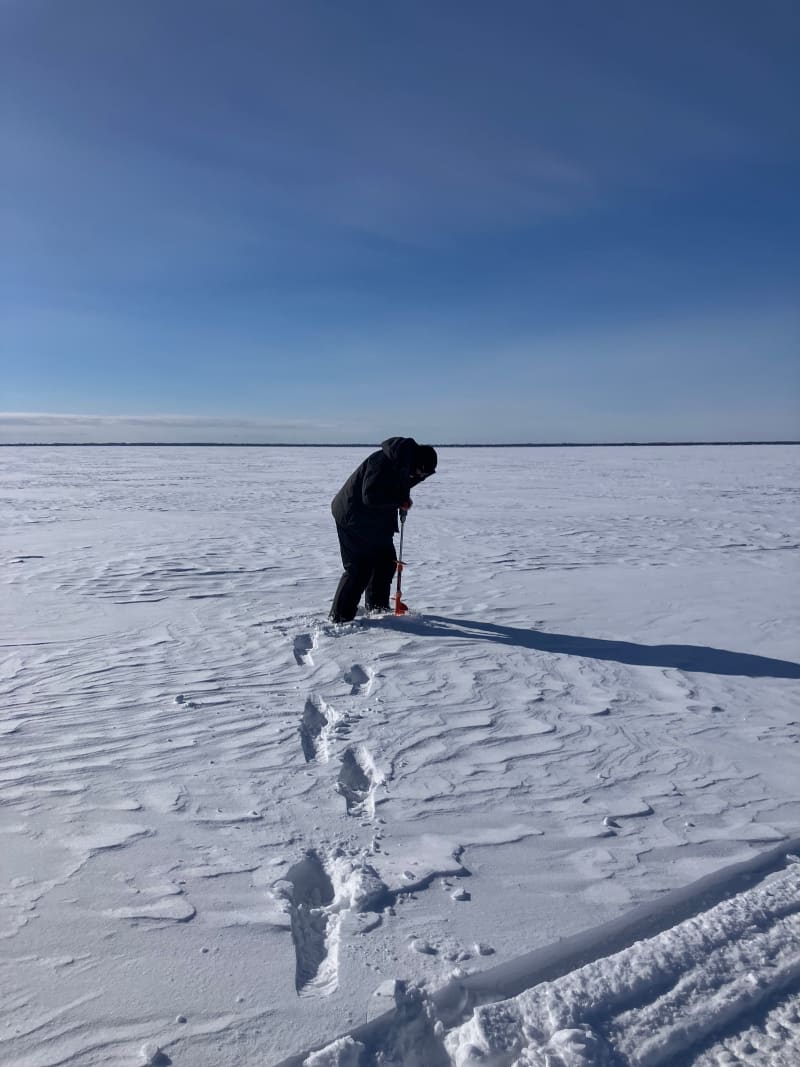
They're asking the public to measure ice thickness across the Great Lakes and other regional waters this winter. The data will help improve ice forecasting models that keep people safe and track how climate change affects the region's frozen surfaces.
Satellites capture ice coverage just fine, but they can't tell how thick that ice actually is. That information matters for the 30 million people who rely on the Great Lakes for drinking water, the ice fishers who venture onto frozen bays, and the ships that navigate icy waterways all winter long.
"Usually it's the scientists putting data out to the public, and this time, we're asking the public to give feedback to the scientists so they can improve the models," said Shelby Brunner, science and observations manager at GLOS. Buoys that normally collect data get pulled out during harsh winter conditions, leaving a gap that everyday lake users can fill.
The program is in its second year. Last winter, about a dozen volunteers logged around 30 measurements, and their observations surprised researchers.
Ice turned out to be far more variable than scientists predicted. Citizen scientists shared photos of water trapped between ice layers, details that proved incredibly valuable for climate modelers working to understand how the Great Lakes are changing.
The Ripple Effect
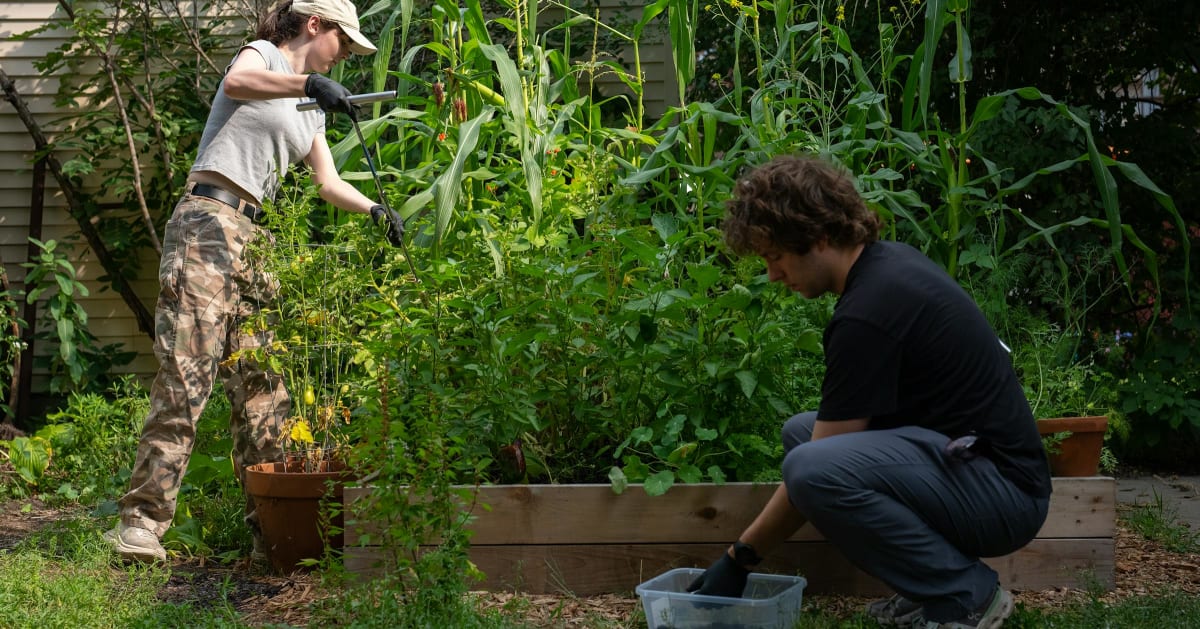
Middle school teacher Mandi Young took her students onto Cedar Lake near Traverse City last year with measuring tools in hand. This year, they're going back with an auger to drill into the ice.
"The students really love it. They get the chance to be outside," Young said. "They know that their information is being saved and used by other community members."
The questions her students ask while measuring tell the whole story: Could we throw a rock on it? What about throwing ice on ice? Did you hear that sound? Their natural curiosity about ice turns into real scientific contribution.
Charter boat captains are contributing measurements too. Anyone can submit data online, and stipends are available for participants who want to help throughout the winter.
Climate records show that average ice cover on the Great Lakes has decreased since the 1990s, but each year varies wildly. This winter, 38 percent of the Great Lakes had iced over by late January, higher than the historical average.
"We don't get to go back in time and measure the past," Brunner said. "We have to measure it now and keep it safe so we can use it for reference for how things are looking in the future."
Every measurement collected now becomes part of an archive that future researchers will use to understand how our climate is shifting, one frozen lake at a time.
More Images


Based on reporting by Grist
This story was written by BrightWire based on verified news reports.
Spread the positivity!
Share this good news with someone who needs it