Greece Cuts Childhood Obesity With National Health Program
Greece transformed from having Europe's worst childhood obesity rates to becoming a WHO model country in just a few years. The nationwide program reached 75% of families and helped eight in 10 overweight children achieve healthy weight.
Greece just proved that a country can turn around its biggest health crisis when it decides to stop accepting the unacceptable.
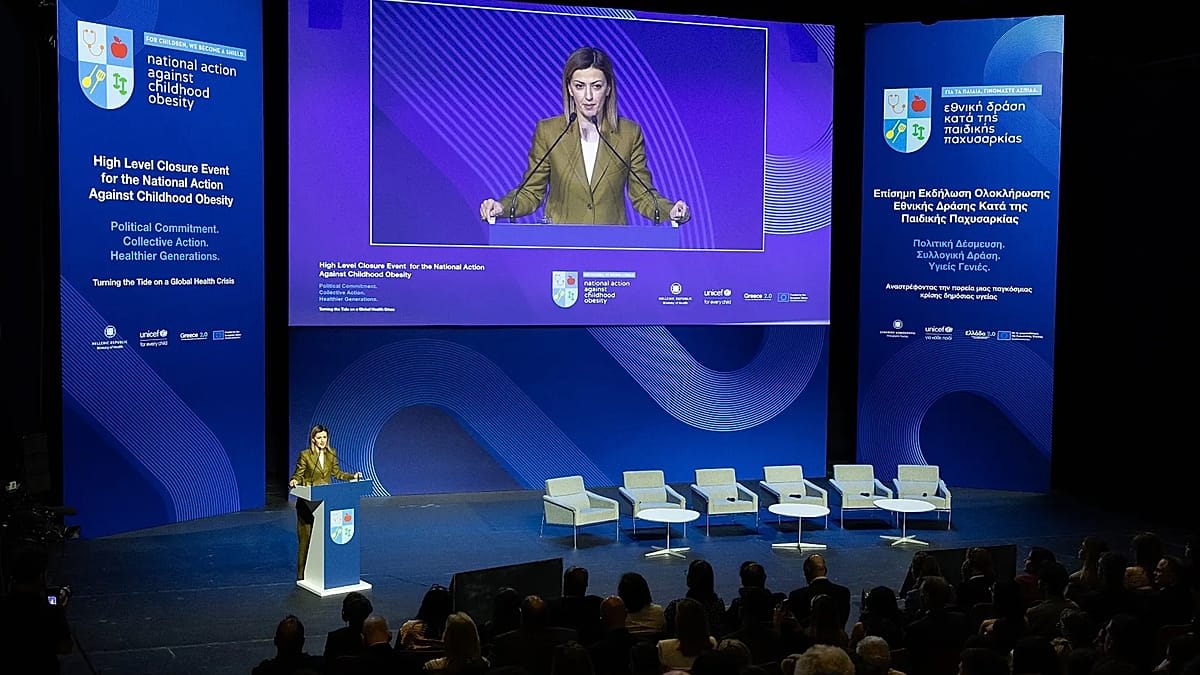
For years, Greece held an unenviable record: the highest childhood obesity rates in Europe. Instead of treating it as inevitable, the Ministry of Health partnered with UNICEF to launch a nationwide action plan funded by the European Union. The results presented at the program's closing event show what's possible when entire communities commit to change.
More than 1,900 overweight or obese children received free personalized counseling from 60 dietitian nutritionists across 13,000 one-on-one sessions. Eight in 10 of these children lost weight and now have normal body mass indexes. Even more remarkable, four in 10 obese children with conditions like diabetes or high blood pressure saw their health improve so much that doctors significantly reduced their medications.
The program reached far beyond doctor's offices. Over 7,600 teachers and parents registered for nutrition education toolkits. More than 99,000 teenagers participated in 4,900 food education workshops where they learned to value fresh ingredients. During visits to local markets in 23 municipalities, students collected more than 20 tonnes of surplus food and distributed it to vulnerable families.
Physical activity became part of daily life again. Over 135,000 children joined free sports programs. Children's participation in organized sports jumped from 52.5% to 60%. The percentage of kids staying active for at least one hour daily rose from 49.9% to 52.8%.
Deputy Minister of Health Irini Agapidaki captured the transformation: "Greece moved from denial to action." More than 75% of parents now report being involved in or informed about the program, proving the initiative truly reached every corner of the country.
The Ripple Effect
The success caught international attention. The World Health Organization now describes Greece as a "model country" and recognizes its leading role in Southern European health policy. Other nations facing similar challenges are studying how Greece designed a strategy that moved from government offices into schools and homes.
Parent awareness tells the real story. Knowledge of WHO nutrition recommendations jumped from 29.4% to 43.7%. Understanding of physical activity guidelines rose from 28.4% to 42.5%. These aren't just numbers. They represent millions of conversations at dinner tables about healthier choices.
Experts predict that if Greece maintains these monitoring and support structures, childhood obesity rates will show steady decline through 2040.
An entire generation of Greek children will grow up healthier because their country refused to accept that first place in obesity statistics was permanent.
More Images


Based on reporting by Euronews
This story was written by BrightWire based on verified news reports.
Spread the positivity!
Share this good news with someone who needs it