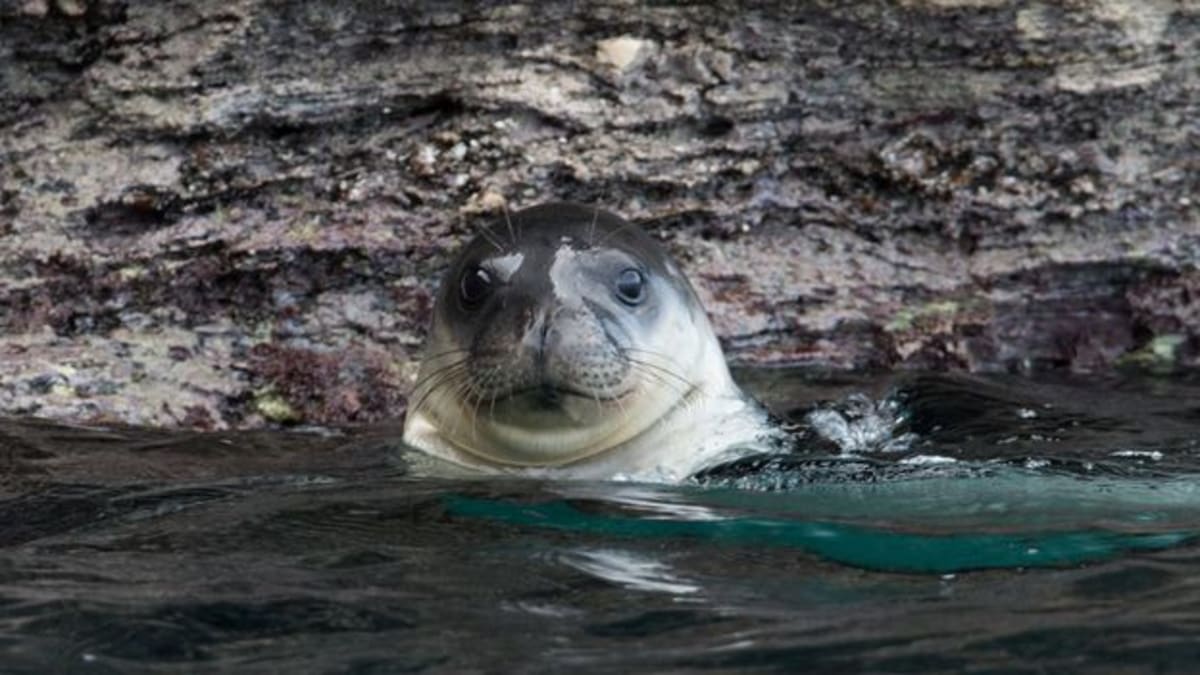
Greece Turns Invasive Lionfish Into Mediterranean Delicacy
An invasive species threatening Mediterranean fish populations is becoming the newest item on Greek menus. Chefs and environmental groups are teaming up to solve an ecological crisis one delicious bite at a time.
The lionfish arrived uninvited to Greek waters five years ago, and now thousands are multiplying at an alarming rate. This venomous invader from Asia has no natural predators in the Mediterranean and devours smaller fish species with devastating efficiency.
The numbers paint a troubling picture. A single lionfish lays 2 million eggs annually, and populations have exploded from one spotted fish to thousands near the island of Elafonisos alone. Without intervention, the region could lose 30 percent of its native fish species within a decade.
But Greek environmentalists found an unexpectedly tasty solution. Instead of fighting the lionfish with traditional methods, they're inviting people to eat them.
Chef Elias Chiazzoli has become a lionfish evangelist in his kitchen. He prepares the fish as ceviche, sushi, grilled steaks, and rich fish soups. The meat is tender and versatile, adapting to virtually any cooking style.
The venomous spines that make lionfish dangerous in the water pose no threat on the plate. Chefs simply remove them carefully during preparation, leaving behind perfectly safe, delicious white fish.
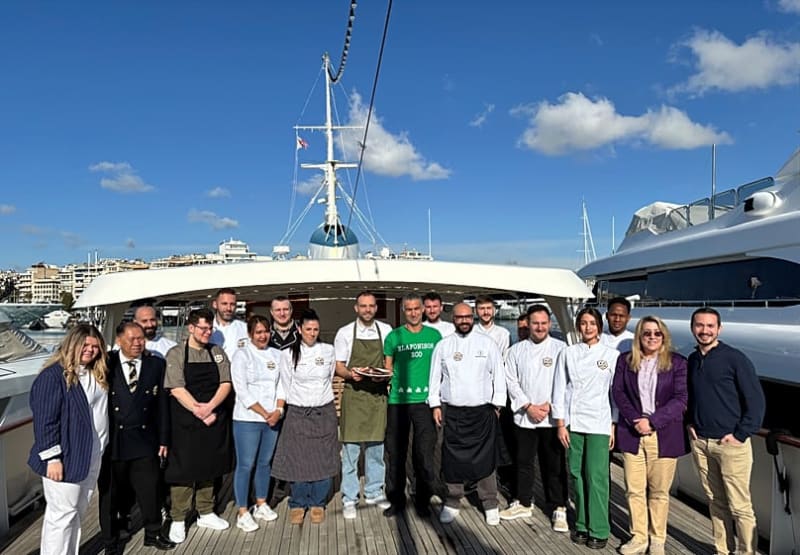
Environmental groups partnered with the Stelios Charitable Foundation to spread the word. They hosted cooking masterclasses aboard the training vessel M/Y Klelia I, teaching young yacht chefs how to prepare lionfish dishes. The initiative combines practical culinary training with marine conservation education.
The campaign targets both professional chefs and everyday consumers. Organizations like Elafonisos Eco are showing restaurants and home cooks the many ways to incorporate lionfish into Mediterranean cuisine.
The Ripple Effect spreads beyond individual plates. Greek fishermen initially hesitated to catch lionfish, unfamiliar with market demand for the species. Now they're actively selling their catches as consumers respond positively to the unusual offering. Local communities benefit economically while simultaneously protecting native fish populations from this aggressive predator.
The initiative demonstrates how sustainable gastronomy can transform environmental threats into opportunities. Every lionfish consumed means dozens of native Mediterranean fish species can survive and reproduce.
Experts predict lionfish will soon appear in Athens markets as demand grows across the Greek islands. What started as an ecological crisis is becoming a new chapter in Greek culinary tradition, proving that sometimes the best solutions come with a side of lemon and olive oil.
More Images

Based on reporting by Euronews
This story was written by BrightWire based on verified news reports.
Spread the positivity!
Share this good news with someone who needs it